
Wine fermentation is a fascinating transformation that turns grape juice into a beloved beverage enjoyed around the world. Understanding the fermentation timeline is essential for anyone looking to create their homemade wine, whether for personal enjoyment or for sharing with friends and family.
This article will explore the fermentation process of wine, how long it typically takes, and the factors that influence fermentation duration. We’ll provide an overview of the winemaking process, key terms, tips for monitoring fermentation, and how to deal with common pitfalls.
How Long Does Wine Take To Ferment?
The fermentation process for wine typically takes between 1 to 3 weeks. However, primary fermentation may last from just a few days to several weeks, depending on various factors such as the yeast strain used, the type of wine, and the environmental conditions. After primary fermentation, additional aging and secondary fermentation can take weeks to several months.
Understanding the Fermentation Process
Fermentation is a natural process where yeast converts sugar into alcohol and carbon dioxide. This biological transformation is the heart of winemaking and can be divided into two main stages: primary fermentation and secondary fermentation.
Primary Fermentation
During primary fermentation, the yeast consumes the sugars present in the grape juice, producing alcohol and CO2. This stage lasts until the majority of the sugars have been converted into alcohol, usually 5 to 14 days for most wines. Proper monitoring of fermentation during this stage is crucial to ensure a successful outcome.
Secondary Fermentation
Secondary fermentation, also known as malolactic fermentation, is not necessary for all wines but is often used in red wines and some white wines. This process can take several weeks to several months, contributing to the wine’s flavor profile and mouthfeel. It involves converting tart malic acid into softer lactic acid, resulting in a smoother taste.
Factors Influencing Fermentation Time
Several factors can affect how long wine takes to ferment. Understanding these factors can enhance your winemaking experience.
Yeast Strain
The type of yeast used plays a significant role in fermentation time. Different strains of yeast have varying fermentation rates and tolerances for alcohol content. For instance, some yeast strains can ferment at higher temperatures and produce alcohol more quickly, while others may take longer.
Temperature
The fermentation temperature also significantly influences the process. Typically, yeast thrives in a temperature range of 60°F to 75°F (15°C to 24°C). Colder temperatures slow down fermentation, while warmer temperatures speed up the process but can also produce undesirable flavors if too high.
Sugar Content
The initial sugar content of the grape juice is another determining factor for fermentation duration. Higher sugar content means the yeast has more sugar to convert into alcohol, potentially leading to a longer fermentation period. Conversely, lower sugar musts may ferment more quickly.
Oxygen Levels
Oxygen levels during fermentation can also impact the speed of fermentation. While yeast requires some oxygen to grow, excessive oxygen can lead to spoilage. Proper ventilation and controlled exposure to oxygen can help maintain healthy fermentation.
pH and Nutrient Levels
Both pH and the presence of nutrients like nitrogen are crucial for healthy yeast activity. A lower pH is necessary for optimal yeast performance, while nutrient-deficient musts can lead to slow or stuck fermentations. Monitoring these levels is part of good winemaking practice.
Monitoring the Fermentation Process
Keeping an eye on the fermentation process is key to producing great wine. Here are practical steps for effective monitoring.
Visual Monitoring
During primary fermentation, you can observe signs such as bubbling activity in the fermentation vessel or a foamy head forming on the surface of the must. This is an indication that fermentation is occurring. The intensity of the bubbles and foam will decrease as fermentation nears completion.
Hydrometer Measurements
A hydrometer is a tool used to measure specific gravity (the relative density of liquids) and is invaluable during fermentation. By taking gravity readings, you can determine how much sugar has been converted into alcohol. A decrease in specific gravity will indicate that fermentation is progressing.
Tasting the Wine
While not the most scientific method, tasting the wine periodically can also give you insight into the fermentation progress. Pay attention to the sweetness level and flavors; if the wine tastes less sweet than earlier samples, fermentation is likely ongoing.
Common Fermentation Issues and Troubleshooting
Sometimes fermentation can hit a snag, which can lead to undesirable wine. Understanding these potential issues can prepare you for any hiccups along the way.
Stuck Fermentation
A stuck fermentation occurs when the yeast stops converting sugars to alcohol prematurely. This can happen due to a variety of reasons, including temperature fluctuations, inadequate nutrients, or excessively high alcohol concentration. If fermentation gets stuck, you can try gently stirring the wine to incorporate oxygen and re-suspend the yeast.
Too Fast Fermentation
If fermentation is happening too quickly, it can produce off-flavors. High temperatures or vigorous bubbling can lead to this issue. Try to lower the fermentation temperature by moving the fermenter to a cooler area or by monitoring the yeast activity closely and potentially slowing it down by reducing nutrients.
Unpleasant Aromas
Fermentation can sometimes lead to off-odors, like sulfur smells. These odors can result from yeast stress, often due to low nutrient availability. To combat this, consider adding a dose of nutrients to the must to support the yeast’s health.
Next Steps After Fermentation
Once fermentation is complete, you move into clarification and aging. Here’s a brief overview of these next steps.
Racking the Wine
After primary fermentation, the wine is usually racked into a clean secondary fermenter, which helps separate it from the dead yeast and other particulates. This process can significantly improve the clarity and quality of your wine.
Aging the Wine
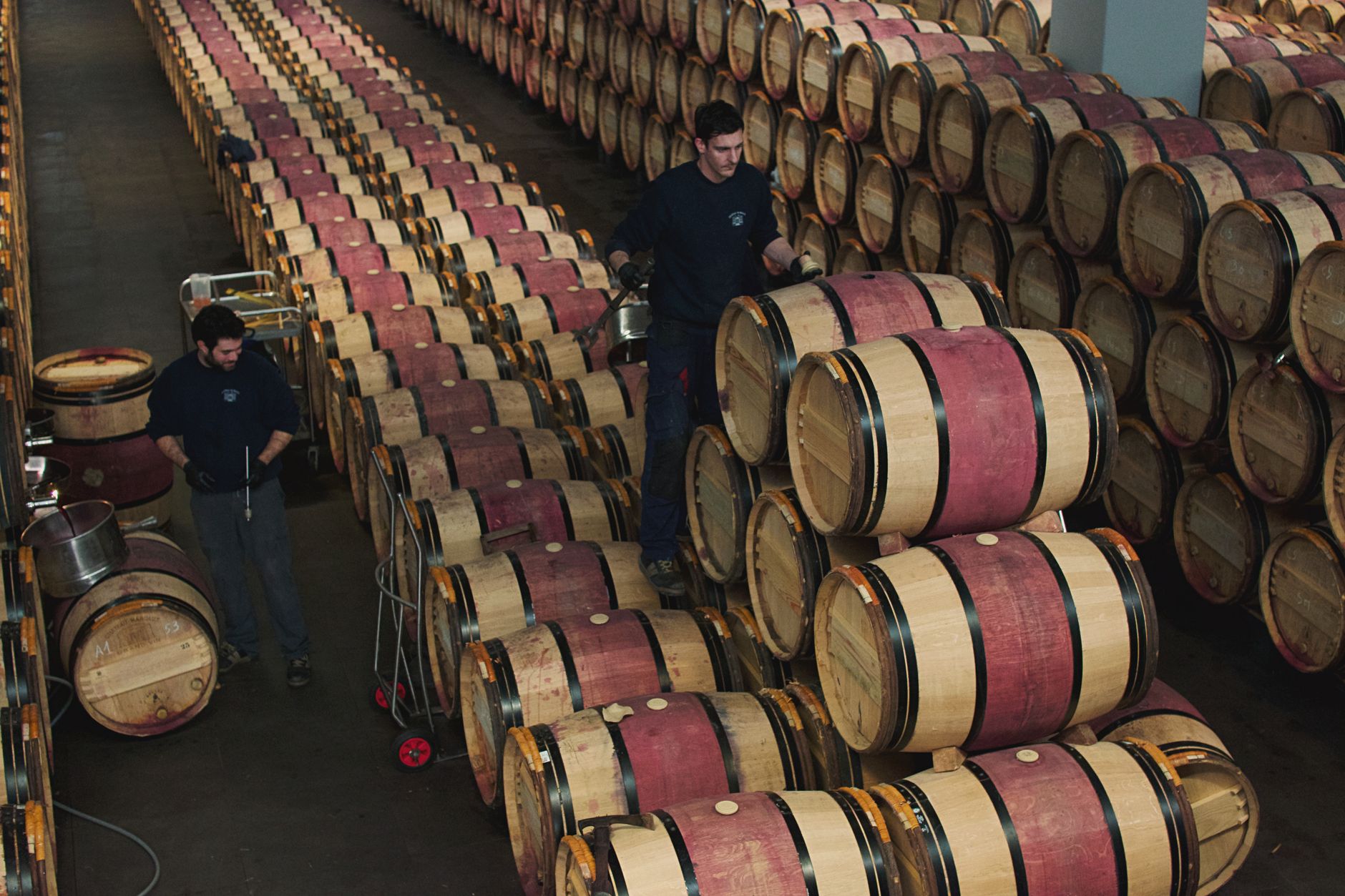
Aging can occur in stainless steel tanks, glass carboys, or oak barrels. Depending on the type of wine, aging can last months to years. The aging process lets the wine develop more complex flavors and aromas, resulting in a better final product.
Testing for Final Gravity
Before bottling, you should test the wine for final gravity using the hydrometer again. This will confirm that fermentation has fully completed, ensuring the stability of your wine during storage.
Common Wine Types and Their Fermentation Durations
Different types of wine can have varied fermentation durations based on their unique characteristics. Here are some typical examples:
- Red Wine: Typically undergoes primary fermentation for 7 to 14 days.
- White Wine: Generally ferments quicker, often completing primary fermentation in 5 to 10 days.
- Sparkling Wine: Has an additional secondary fermentation phase to create carbonation, extending the overall fermentation and aging time to several months.
- Fruit Wines: These can vary widely; fermentation times often range from 1 to 3 weeks.
Conclusion
Understanding how long wine takes to ferment is essential for any winemaker, whether novice or experienced. The fermentation process typically lasts between 1 to 3 weeks, heavily influenced by factors like yeast strain, temperature, and sugar content. By monitoring the fermentation effectively, you can avoid common pitfalls and produce a delicious product.
If you’re inspired to experiment further, consider trying out different fruit-based wines like raspberry mead with our raspberry mead recipe or peach mead through our peach mead recipe. Both provide unique fermentation experiences that can enhance your understanding and enjoyment of the winemaking process.