
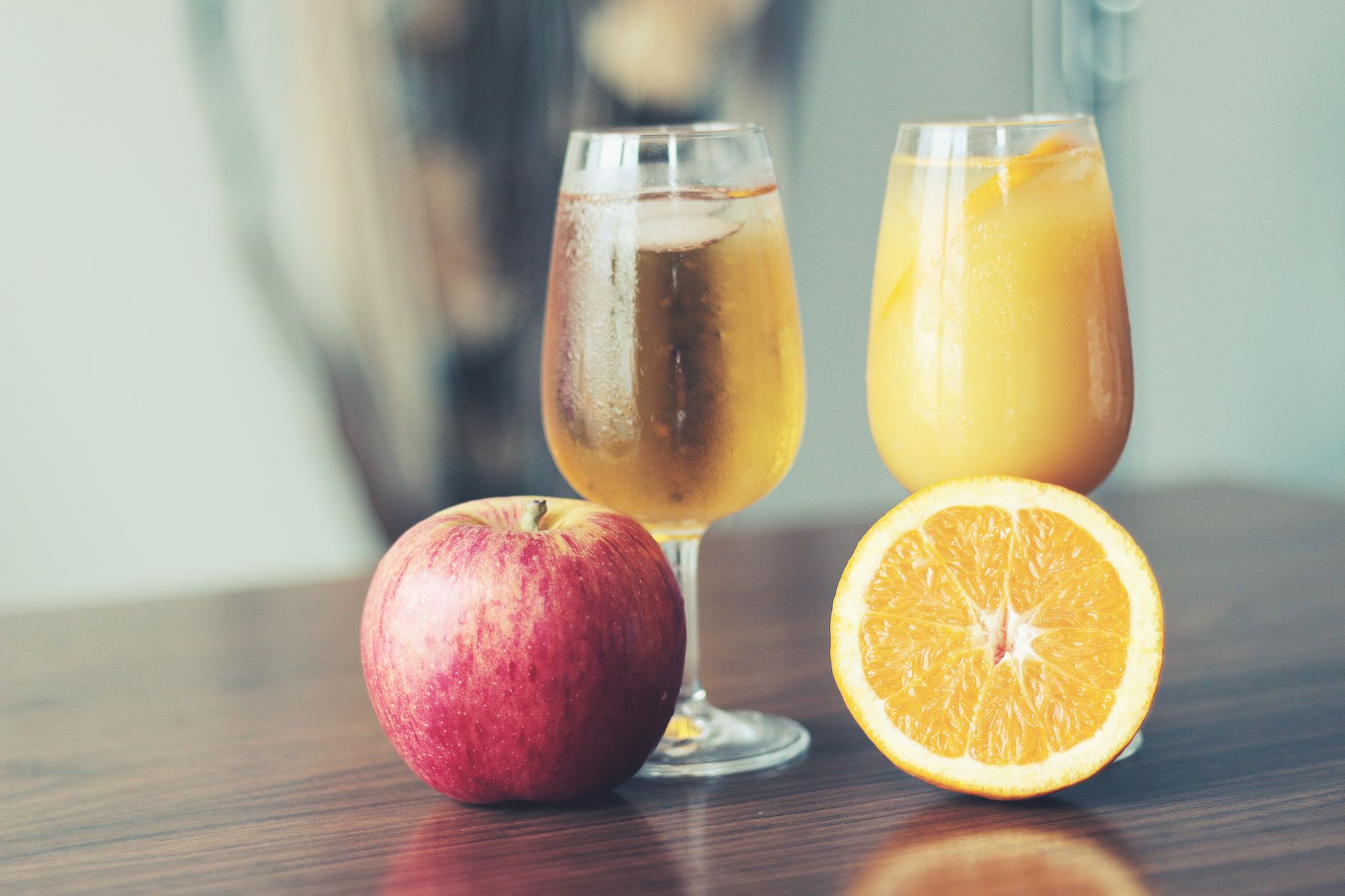
Back sweetening hard cider after fermentation can be a creative way to enhance flavors, adjust sweetness levels, and tailor your cider to your taste. Whether you’ve made a batch that turned out dryer than expected or simply want to add a little sweetness, this guide covers everything you need to know.
This detailed guide will help you understand the process, techniques, and considerations involved in back sweetening hard cider so you can enjoy the perfect balance of flavors.
How To Back Sweeten Hard Cider After Fermentation?
To back sweeten hard cider after fermentation, you can add sugar or other fermentable options while using stabilizers to prevent further fermentation. This method allows you to adjust sweetness without worrying about unintended carbonation or yeast activity.
Understanding Hard Cider Fermentation
Before diving into back sweetening, it’s important to understand the fermentation process. Hard cider begins its journey as fresh apple juice that is fermented with yeast. Yeast consumes the sugars in the juice, converting them into alcohol and carbon dioxide. This gives hard cider its alcoholic content and distinct flavor.
During fermentation, the level of sweetness decreases as sugars are transformed. Once fermentation is complete, you may find the cider is drier than intended. Back sweetening is the solution to adjusting the sweetness post-fermentation while keeping the flavors intact.
Why Back Sweeten Your Hard Cider?
Back sweetening offers several benefits:
- Customized Flavor: Adjusting sweetness can accentuate specific apple varieties or spices used in the brew.
- Enhanced Mouthfeel: A touch of sweetness can improve the overall mouthfeel and balance the acidity of the cider.
- Carbonation Control: Proper back sweetening helps avoid over-carbonation when bottling.
What to Add for Back Sweetening
There are various options you can use for back sweetening hard cider:
1. Sugar
- Table Sugar (Sucrose): Common and easy to use, generally adding about 1 oz per gallon for a noticeable sweetness increase.
- Brown Sugar: Adds a subtle molasses flavor along with sweetness, often used for richer ciders.
- Honey: Provides unique flavor elements depending on the floral source. Use about 1-2 oz per gallon.
- Maple Syrup: Adds a distinct flavor alongside sweetness, typically 1-2 oz per gallon.
2. Juice or Concentrate
- Fresh Apple Juice: Highly recommended for maintaining a natural apple flavor. If adding juice, be aware it will introduce additional fermentable sugars.
- Other Fruit Juices: Consider using pear, cherry, or any other complementary fruit juice for an added layer of complexity.
3. Sweeteners
- Stevia or Monk Fruit: Low-calorie sweetener options suitable for keto or low-sugar diets, though they may not taste as natural as sugar.
Essential Equipment for Back Sweetening
Having the right tools will ease the process of back sweetening:
- Bottling Bucket: Helps mix your cider with sweeteners.
- Hydrometer: Used to monitor sugar levels and measure the specific gravity of your cider.
- Stirring Spoon or Paddle: For thoroughly combining substances.
- Siphoning Hose: Useful for transferring cider between vessels without introducing oxygen.
- Bottles and Caps: For finishing your sweetened cider.
Steps to Back Sweeten Hard Cider
Now that you have all the ingredients and equipment, you’re ready to back sweeten your hard cider. Follow these steps:
- Test the Cider: Before adding any sweeteners, taste your cider and note its current sweetness level. This will help you determine how much sweetness you want to add.
- Choose Your Sweetener: Select one or more from the options listed above based on your desired flavor profile.
- Make a Sweetener Solution: If using granulated sugars, dissolve them in a small amount of warm water to create a concentrated syrup. This ensures even mixing.
- Mix the Sweetener with Cider: Slowly add the sweetener solution to your cider, stirring gently to incorporate without introducing too much oxygen.
- Taste Test Again: After mixing, sample the cider again. Adjust sweetness gradually; it’s easier to add more than to remove excess sweetness.
- Stabilize the Cider (Optional): To prevent further fermentation, add a stabilizer like Potassium Sorbate or Campden tablets, especially if you’re planning to bottle the cider. Follow the manufacturer’s instructions closely.
- Bottle and Store: Transfer your sweetened cider into sanitized bottles. If you added stabilizers, allow for a short aging period to let flavors meld. If not, bottle pressure may build excessively.
A Common Mistake: Over-Sweetening
One of the most common errors in back sweetening is adding too much sweetening agent too quickly. Gradual adjustments are vital. Keep tasting as you go and remember that sweetness can intensify over time as the flavors concentrate.
Carbonation Considerations Post-Sweetening
If you’re planning to carbonate your cider after back sweetening, take special care. Adding sweetness introduces fermentable sugars, which may lead to over-carbonation or even bottle bombs if yeast is still active.
To safely carbonate, you may want to consider:
- Force Carbonation: Carbonate your cider using a kegging system instead of sugar priming methods, which rely on yeast activity.
- Use Non-fermentable Sugar: Options such as erythritol or the recommended sweeteners minimize carbonation risk.
Common Troubleshooting Tips
1. Cider Tastes Too Sweet
If your cider is sweeter than desired, consider blending it with a drier cider to balance flavors. Adding a small amount of acidity, like lemon juice, can also help counteract excessive sweetness.
2. Sediment at the Bottom of Bottles
If you notice sediment in your bottles, this can hint at active fermentation occurring after bottling. Ensure proper stabilization before bottling and consider cold crashing your cider to help sediment settle.
Storage of Back-Sweetened Hard Cider
Once your cider is no longer fermenting and is bottled, store it in a cool, dark place. Depending on your recipe and ingredients used, matured sweetened cider can often taste better after some aging. Generally, aim for a month of resting before consumption.
Make-Ahead Tips
Back sweetening can be done alongside your fermentation process planning. Consider the following:
- Batch Sizes: Make larger batches and back sweeten part of it to create a variety of cider styles.
- Aging Potential: Some cider styles improve after aging, so consider making a significant batch at once to sample over time.
Exploring Flavor Variations
Enhancing your back sweetened cider doesn’t have to stop at sugar alone. Consider adding spices such as cinnamon, cloves, vanilla beans, or even dried fruits like raisins or apricots for added depth. Always keep in mind that these flavors can evolve as the cider ages.
Conclusion
Back sweetening your hard cider after fermentation is a straightforward process that unlocks exciting flavor possibilities. By carefully selecting sweetening agents, experimenting with quantities, and ensuring proper stabilization, you can produce a delightful beverage tailored to your preferences. Elevate your homemade hard cider experience by embracing this technique and enjoying the fruits of your labor in a glass.
For further inspiration, explore our delicious Raspberry Mead Recipe or try a Blackberry Mead Recipe to expand your brewing horizons.