
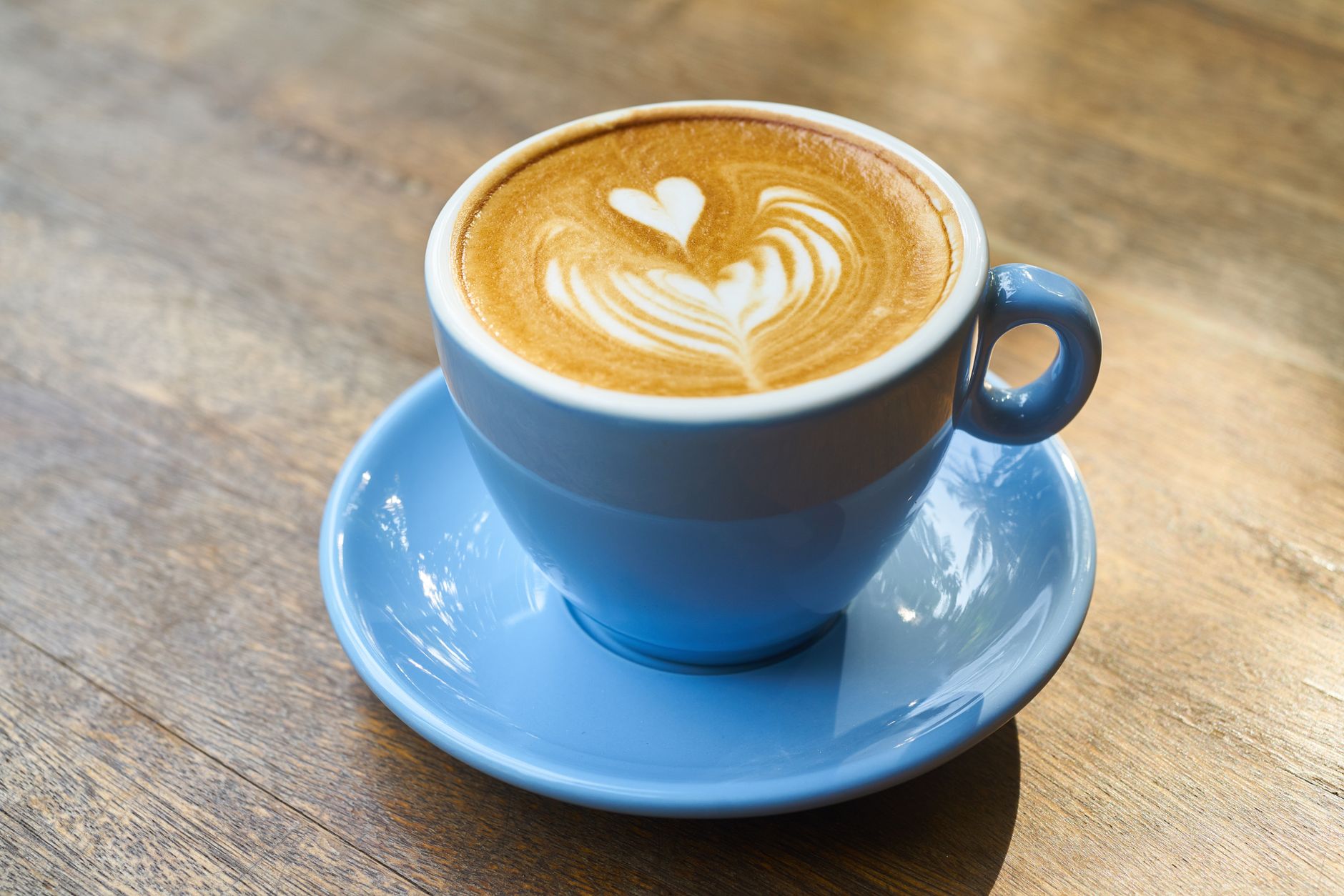
Caffeine is one of the primary reasons many individuals turn to coffee as their go-to morning beverage. But how much caffeine is actually in a cup of coffee? Knowing this not only helps with planning your daily intake but can also influence your brewing choices. Here’s a deep dive into caffeine content, varying coffee types, and how different brewing methods affect it.
This article will cover everything you need to know about caffeine in coffee, from the basics of measuring its content to specific caffeine amounts by coffee type and brewing method. By the end, you’ll be more informed about your coffee options and caffeine consumption.
How Many Mg Of Caffeine In A Cup Of Coffee?
The average 8-ounce cup of brewed coffee contains about 95 mg of caffeine. However, this amount can vary widely depending on the type of coffee bean, the brewing method, and even the serving size.
Understanding Caffeine Content in Coffee Types
Different types of coffee can significantly alter the amount of caffeine you consume. Here’s a closer look at popular varieties and their average caffeine content per 8-ounce cup.
Drip Coffee
Drip coffee is often what people imagine when they think of a regular cup of coffee. On average, an 8-ounce cup contains around 95 mg of caffeine. However, using a higher coffee-to-water ratio can increase this amount significantly.
Espresso
Espresso is a concentrated form of coffee typically served in smaller portions. A single shot (1 ounce) has about 63 mg of caffeine. If you opt for a double shot, which is common, that increases to about 126 mg per 2-ounce serving.
French Press Coffee
Brewing coffee using the French press method releases more oils and therefore can result in a higher caffeine content. An average 8-ounce cup typically ranges between 80 mg to 120 mg of caffeine.
Cold Brew Coffee
Cold brew coffee is made by steeping coarsely ground coffee beans in cold water for an extended period, usually 12-24 hours. The average 8-ounce serving of cold brew can contain anywhere from 100 mg to 200 mg of caffeine, depending on the coffee-to-water ratio used during brewing.
Iced Coffee
Iced coffee, often made from brewed coffee that is chilled and served over ice, contains caffeine similar to freshly brewed coffee. Usually, you can expect around 95 mg for an 8-ounce cup, but keep in mind that it depends on how strong the original brew was.
Factors Affecting Caffeine Content
Several variables affect the caffeine level in a cup of coffee, including:
- Type of Coffee Bean: Arabica beans generally contain less caffeine than Robusta beans. On average, Arabica has about 1.2% caffeine, while Robusta ranges around 2.2%.
- Brewing Method: Different methods lead to varying levels of caffeine extraction. Longer brew times usually mean more caffeine.
- Serving Size: Coffee served in larger mugs or takeout cups can significantly increase your caffeine intake if you are not careful.
- Grind Size: Finer grinds expose more surface area to water, resulting in stronger coffee and potentially more caffeine.
Caffeine Measurement Units
When discussing caffeine, you will typically see it measured in milligrams (mg). Here’s a brief overview of how to interpret caffeine amounts:
- Low Caffeine Content: Less than 50 mg per cup, typical in decaffeinated coffee.
- Moderate Caffeine Content: 50 mg to 100 mg per cup, common in drip and brewed coffee.
- High Caffeine Content: Over 100 mg per cup, usually found in espresso, cold brew, and specialty caffeinated drinks.
Practical Tips for Managing Caffeine Intake
If you’re monitoring your caffeine consumption for health reasons or personal preference, consider these practical tips:
- Know Your Limits: The FDA suggests a maximum caffeine intake of 400 mg for most adults, roughly equivalent to four 8-ounce cups of brewed coffee.
- Choose your Brew Wisely: Different brewing methods produce different caffeine levels—opt for less concentrated options if you want to cut back.
- Measure Your Coffee: Use measured coffee grounds instead of guessing when making coffee to better control caffeine levels.
- Be Mindful of Additives: Flavored syrups and additional espresso shots can add more caffeine than you might realize.
Common Coffee Misconceptions
Here are a few misconceptions that might affect your understanding of caffeine in coffee:
- Decaf Coffee is Caffeine-Free: Many believe decaffeinated coffee contains no caffeine. In reality, an 8-ounce cup of decaf can still contain 2 mg to 5 mg.
- All Coffee is Equal: Not all coffee is created equal; factors like type of bean, brewing method, and strength of the brew can lead to variations in caffeine content.
- Caffeine Affects Everyone the Same: Individual tolerance to caffeine varies. Some may feel alert after just one cup, while others may require more.
Conclusion: Making Informed Coffee Choices
By understanding the average caffeine content of different types of coffee and how various factors impact it, you can make informed decisions about your daily coffee intake. Whether you enjoy a strong espresso shot or a chilled glass of cold brew, knowing how much caffeine you are consuming can help you enjoy your coffee without any surprises.
This knowledge allows you to tailor your coffee consumption to your needs and preferences. As with all things, moderation is key.
For those looking to experiment with different coffee formats, consider trying out various brewing methods like cold brew or French press to find your favorite caffeine kick. And if you’re interested in delicious coffee recipes to enjoy your caffeine in style, check out our Iced Coffee Concentrate Recipe and Proffee Recipe.