
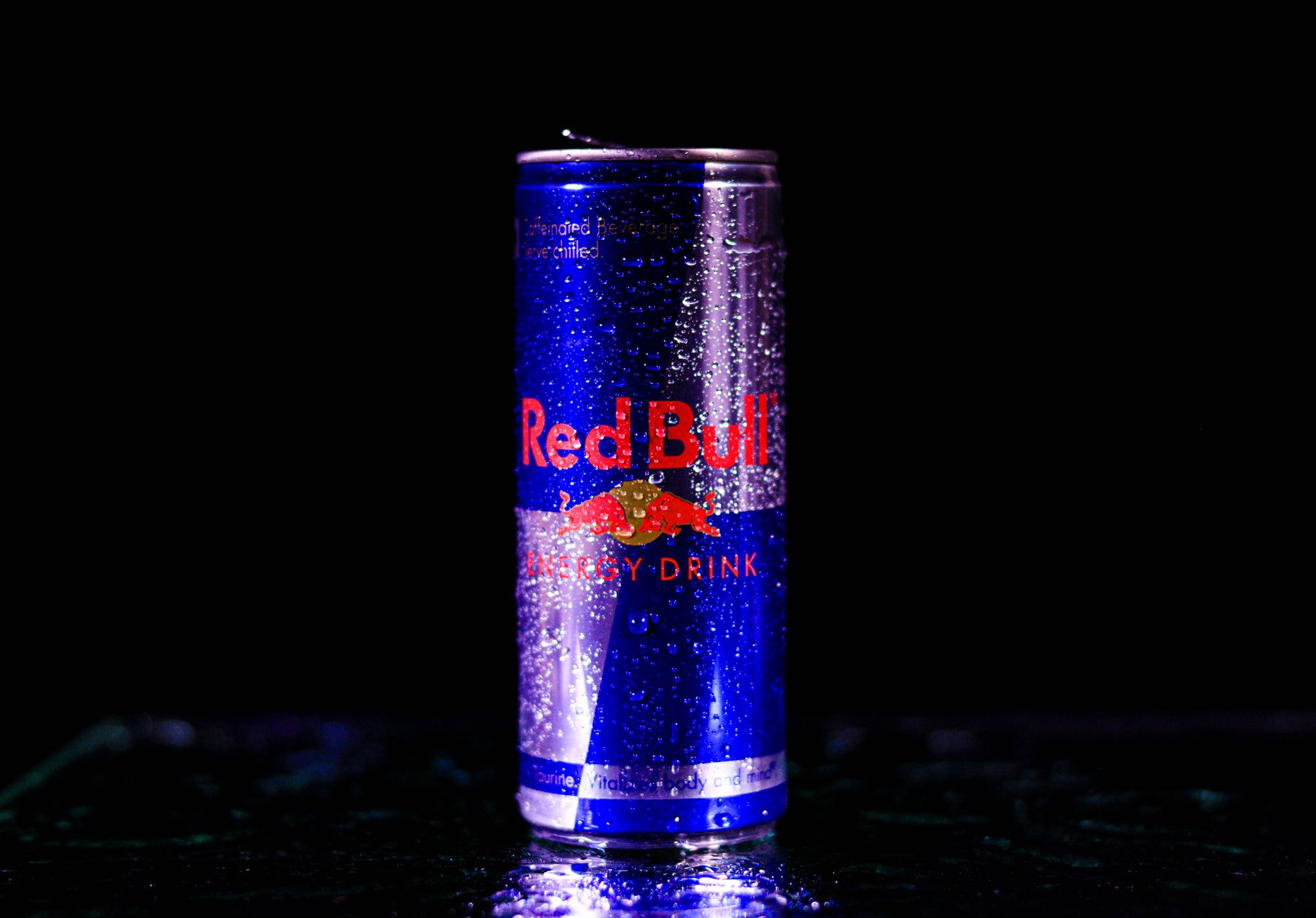
Red Bull, one of the most popular energy drinks on the market, is often consumed for a quick boost of energy and alertness. One of the key ingredients contributing to this effect is caffeine. Understanding how much caffeine is in a Red Bull can help consumers make informed choices about their energy intake and its effects on health.
The caffeine content in Red Bull varies depending on the product size and variety. As you explore the specifics of caffeine in Red Bull, you’ll gain insight into the drink’s effects and considerations for consumption. This article will cover the caffeine amounts in different Red Bull products, how this compares to other beverages, and essential information about caffeine in general.
How Much Caffeine Is In A Red Bull?
A standard 8.4-ounce can of Red Bull contains approximately 80 milligrams of caffeine. This amount is roughly equivalent to a cup of brewed coffee and provides a quick spike in energy, which is one reason why many choose to consume it.
Understanding Caffeine Content Across Different Red Bull Varieties
Red Bull offers several product variations, each containing different flavor profiles and caffeine levels:
- Red Bull Energy Drink (Original): 80 mg of caffeine in an 8.4 oz can.
- Red Bull Sugarfree: 80 mg of caffeine in an 8.4 oz can, similar to the original.
- Red Bull Zero Calories: 80 mg of caffeine in an 8.4 oz can, also equivalent to the original.
- Red Bull Energy Drink (12 oz can): Contains approximately 114 mg of caffeine.
- Red Bull Editions (various flavors): Generally contain 80 mg of caffeine in the standard 8.4 oz size, but check specific variations for confirmation.
Comparing Caffeine Content with Other Popular Drinks
When evaluating the caffeine content in Red Bull, it’s helpful to see how it stacks up against other beverages:
| Beverage | Caffeine (mg) |
|---|---|
| 8 oz brewed coffee | 95 mg |
| 12 oz drip coffee | 120 mg |
| 8 oz black tea | 40-70 mg |
| 8 oz iced tea | 40-60 mg |
| 12 oz cola | 30-40 mg |
As illustrated in the table, Red Bull’s caffeine content is comparable to coffee and higher than many teas and sodas. This shows why consumers often choose it for an energy boost.
How Caffeine Works in the Body
Caffeine is a central nervous system stimulant that temporarily wards off drowsiness and restores alertness. When consumed, caffeine has several effects on the body:
- Increased Alertness: Caffeine blocks adenosine receptors in the brain, preventing feelings of tiredness and increasing alertness.
- Heightened Energy Levels: It can elevate energy levels and enhance overall performance in physical activities.
- Improved Mood: Many report feeling a temporary lift in mood due to the stimulant properties of caffeine.
However, knowing how caffeine affects individual bodies is essential, as its effects can vary significantly from person to person.
Recommended Caffeine Intake
The Dietary Guidelines for Americans suggest that moderate caffeine consumption of up to 400 milligrams per day is generally considered safe for most adults. Here are a few recommendations when consuming caffeine:
- Know Your Limits: If you’re sensitive to caffeine, consider limiting your intake to avoid excessive jitteriness or anxiety.
- Spread It Out: Consume caffeine throughout the day rather than in a single instance to reduce the chance of side effects.
- Monitor Other Sources: Remember that other foods and drinks can contain caffeine, such as chocolate and certain medications.
Potential Side Effects of Caffeine From Red Bull
While moderate caffeine consumption is generally safe, excessive intake may lead to several side effects:
- Insomnia: Consuming caffeine later in the day can disrupt sleep patterns.
- Heart Palpitations: High doses can lead to an increased heart rate or heart palpitations.
- Anxiety and Jitters: Some individuals may experience anxiety or jitteriness when consuming too much caffeine.
It’s essential to pay attention to how your body reacts to caffeine and adjust your intake accordingly.
Alternatives to Red Bull
If you’re looking for alternatives to Red Bull or seeking to reduce caffeine intake while still boosting energy, consider the following options:
- Herbal Teas: Many herbal teas are caffeine-free and can be a soothing option. Consider options like chamomile or peppermint.
- Matcha: This powdered green tea contains caffeine, antioxidants, and amino acids, providing an energy boost without the crash.
- Electrolyte Drinks: For hydration and energy without caffeine, consider drinks with electrolytes, especially after workouts.
- Smoothies: Create energy-boosting smoothies with fruits, vegetables, and protein sources for sustained energy.
How to Choose the Right Energy Drink
When selecting an energy drink, consider the following:
- Caffeine Content: Choose based on your sensitivity to caffeine and activity level.
- Additional Ingredients: Look at other ingredients such as taurine, B vitamins, and sugars—different combinations may impact energy and health differently.
- Flavor Preferences: With various flavors available, it’s easier to find one that suits your palate.
Popular Myths About Caffeine
Various myths and misconceptions surround caffeine consumption. Here’s a brief look at some of the most common:
- Caffeine Is Dehydrating: While caffeine has a mild diuretic effect, studies show that moderate consumption does not lead to dehydration.
- Caffeine Is Addictive: While people can develop a dependency on caffeine, it’s often not classified as an addictive substance compared to drugs.
- Energy Drinks Are Safe for Everyone: Energy drinks like Red Bull are not recommended for children, pregnant women, or those with certain health conditions.
Final Thoughts on Caffeine in Red Bull
Caffeine is a central ingredient in Red Bull that plays a significant role in its energizing effects. Just under 80 mg of caffeine in a standard can positions it as a convenient choice for a quick energy boost. Understanding the caffeine content can help you manage your daily intake effectively and maintain a healthy lifestyle.
Whether you choose Red Bull or another energy drink, moderation is key. Be mindful of your total caffeine consumption throughout the day to avoid unwanted side effects. If energy is your main concern, consider other healthful habits like a balanced diet, regular physical activity, and proper sleep.
For those seeking energy or just curious about dietary choices, diving deeper into food guides and beverage comparisons can help inform better choices and optimize your health.
Explore more about various drinks, nutrition, and healthy recipes on our website for more engaging food content!