
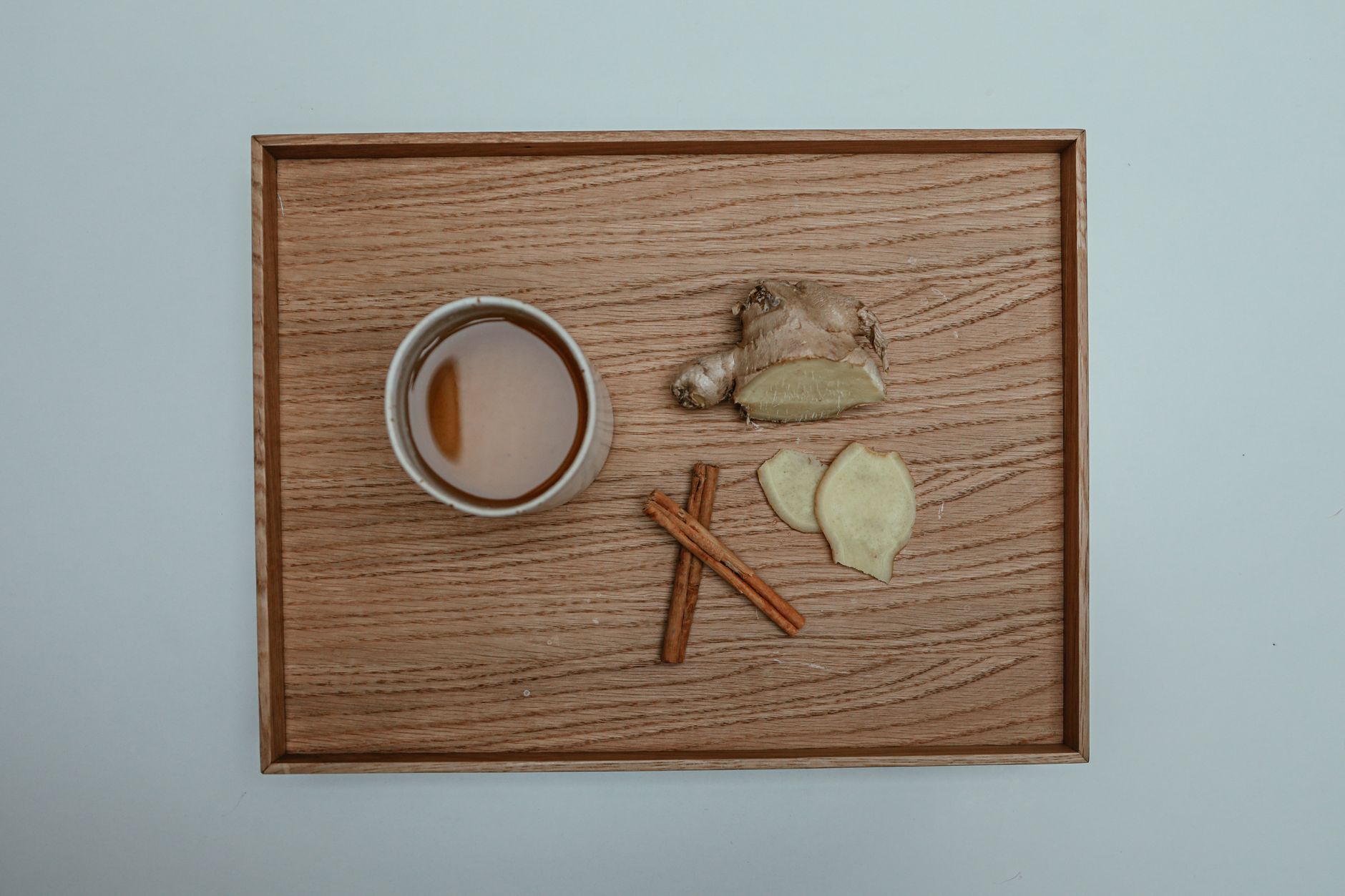
Crafting homemade ginger tea is a simple process that yields a flavorful and warming drink, perfect for cold days or as a soothing remedy. Ginger tea features a spicy, earthy flavor profile that masks any bitterness, making it a delightful option for drinkers of all preferences.
This article outlines how you can make homemade ginger tea, guiding you through the required ingredients, step-by-step instructions, variations, and storage tips. In just a short time, you can enjoy a comforting cup of this aromatic tea.
How To Make Homemade Ginger Tea (What You Need to Know)
To make homemade ginger tea, you need fresh ginger root, water, and optional add-ins like honey or lemon. The process is straightforward and can be completed in around 20 minutes, making it an accessible recipe for everyone.
Ingredients for Ginger Tea
- 2 inches of fresh ginger root (about 50 grams)
- 4 cups of water (about 1 liter)
- Honey or sweetener of choice (to taste, optional)
- Lemon juice or lemon slices (to taste, optional)
- A pinch of cinnamon or a few mint leaves (optional)
Equipment You Will Need
- A sharp knife or peeler
- A cutting board
- A pot or tea kettle
- A strainer or fine mesh sieve
- A measuring cup
- A mug or tea cup for serving
Step-by-Step Instructions to Make Ginger Tea
- Prepare the Ginger: Start by washing the fresh ginger root thoroughly to remove any dirt. Using a knife or peeler, remove the skin of the ginger, if desired. Then, slice it thinly or grate it to increase the surface area, which helps release more flavor.
- Boil the Water: In a pot or kettle, measure 4 cups of water and bring it to a boil over medium-high heat.
- Add the Ginger: Once the water reaches a rolling boil, add the sliced or grated ginger directly into the pot. Reduce the heat to low, allowing the ginger to simmer for about 10 to 15 minutes. The longer you simmer, the stronger the flavor will be.
- Taste and Adjust: After simmering, taste the ginger tea. If you prefer a stronger ginger flavor, you can simmer it longer. If it’s too strong, simply add a little more water.
- Strain the Tea: Using a fine mesh sieve or strainer, pour the tea into your mug, leaving the ginger pieces behind. This step ensures a smooth drinking experience without bits of ginger.
- Add Sweeteners or Acid: If desired, sweeten your tea with honey or your preferred sweetener. A squeeze of fresh lemon juice or a slice of lemon can add a refreshing zing—adjust to taste.
- Garnish and Serve: Optionally, add a pinch of cinnamon or a few mint leaves for added flavor. Enjoy your homemade ginger tea warm!
Key Variations to Consider
Ginger tea can be personalized with various ingredients to suit your taste preferences:
Add Infusions
- Mint: Add fresh mint leaves during the simmering process for a refreshing twist.
- Turmeric: A small piece of fresh turmeric root can be added for an earthy flavor and a beautiful golden color.
- Citrus Fruits: In addition to lemon, try adding orange or grapefruit slices for a different flavor profile.
Sweetening Your Tea
- Honey: A natural sweetener that complements the ginger’s spiciness.
- Agave Nectar: A vegan alternative that dissolves easily in hot liquids.
- Stevia or Other Sweeteners: Use these if you have dietary restrictions.
Tips for Perfect Ginger Tea
- Use fresh ginger rather than powdered ginger to achieve the best flavor and health benefits.
- Adjust the quantity of ginger based on your taste preference; more ginger yields a spicier tea.
- Store extra ginger in the refrigerator or freezer for future use.
Common Mistakes and Troubleshooting
- Using Old Ginger: Make sure to use fresh ginger root. Old ginger may lack flavor and have a tough texture.
- Over-simmering: If your tea becomes too strong or bitter, add more water and sweeteners to balance the flavor.
- Lumping Sweeteners: If using sugar or sweetener, ensure that the tea is hot enough to dissolve it fully.
Storing and Making Ahead
Unused ginger tea can be stored in the refrigerator for up to three days. Allow it to cool completely before transferring it to an airtight container. When ready to consume, reheat gently on the stove or in the microwave. Alternatively, ginger tea can also be enjoyed cold; consider adding ice and additional sweetener.
Health Benefits of Ginger Tea
While not a substitute for medical advice, ginger has been known to offer potential health advantages when consumed. These might include:
- Potential digestive health support
- May help soothe nausea
- Can have anti-inflammatory properties
- May boost the immune system
Again, it’s best to consult with healthcare professionals regarding specific health concerns.
Conclusion and Final Tips
Homemade ginger tea is a simple yet rewarding drink to prepare. With its warm, spicy profile and versatility in personalizing flavors, it’s worth trying in your kitchen. Keep your ginger root fresh, adjust your spices to taste, and savor each sip.
For further exploration, check out our recipes on anti-inflammatory tea or brew your own flavorful creations with a ginger bug recipe. Enjoy your culinary journey!