
Nothing quite beats the refreshing zing of homemade ginger soda, and the secret to that delightful fizz is a little concoction called a ginger bug. This living culture of ginger, sugar, and water adds a vibrant, tangy kick to your drinks, making them feel like summer in a glass. Not to mention, it’s a fun project that connects you to the art of fermentation, allowing you to create bubbly beverages right in your kitchen.
What makes this recipe special is its simplicity and the unique flavor it imparts to your homemade sodas. With just a few ingredients, you’ll have a lively starter that can be used in various drinks, from ginger ale to cocktails. Ready to unleash your inner mixologist? Let’s get started!
Why You’ll Love This Recipe
This ginger bug recipe is a must-try for anyone who loves a bit of effervescence in their drinks. Here’s why you will adore it:
- Creates a natural fermentation culture for homemade sodas.
- Offers a zesty flavor that’s hard to replicate.
- Involves simple ingredients and minimal effort.
- Can be used in various recipes, enhancing versatility.
- Perfect for those who enjoy DIY projects in the kitchen.
My Experience Making This Recipe
The first time I made a ginger bug, I was amazed at how quickly it came to life. Just days after mixing ginger, sugar, and water, my kitchen was filled with a delightful aroma that hinted at the fizzy future ahead.
Watching the bubbles form was like witnessing magic; it’s a small but satisfying reminder of how fermentation works. My friends were impressed when I served them homemade ginger ale, and they couldn’t believe I had created it from scratch.
Recipe Overview
- Recipe Name: Ginger Bug
- Servings: Makes about 1 cup of ginger bug
- Prep Time: 10 minutes
- Cook Time: None
- Total Time: 5–7 days
- Course: Beverage
- Cuisine: Fermented
- Calories per Serving: Approximately 15
Equipment You Will Need
- 1 Quart jar or container
- Cheesecloth or breathable cloth
- Rubber band or string
- Spoon for stirring
- Measuring cups and spoons
Ingredients for Ginger Bug
- 1 cup water (filtered or non-chlorinated)
- 2 tablespoons grated fresh ginger (peeled)
- 2 tablespoons granulated sugar
Ingredient Notes and Substitutions
- Water: Used to create the base for the bug. Tap water can inhibit fermentation due to chlorine; use filtered instead.
- Fresh Ginger: Provides the natural yeast and bacteria needed for fermentation. Ground ginger can be used in a pinch but might not be as effective.
- Sugar: Feeds the yeast for fermentation. Honey or maple syrup can substitute, but the flavor may vary.
How to Make Ginger Bug
Step 1: Combine Ingredients
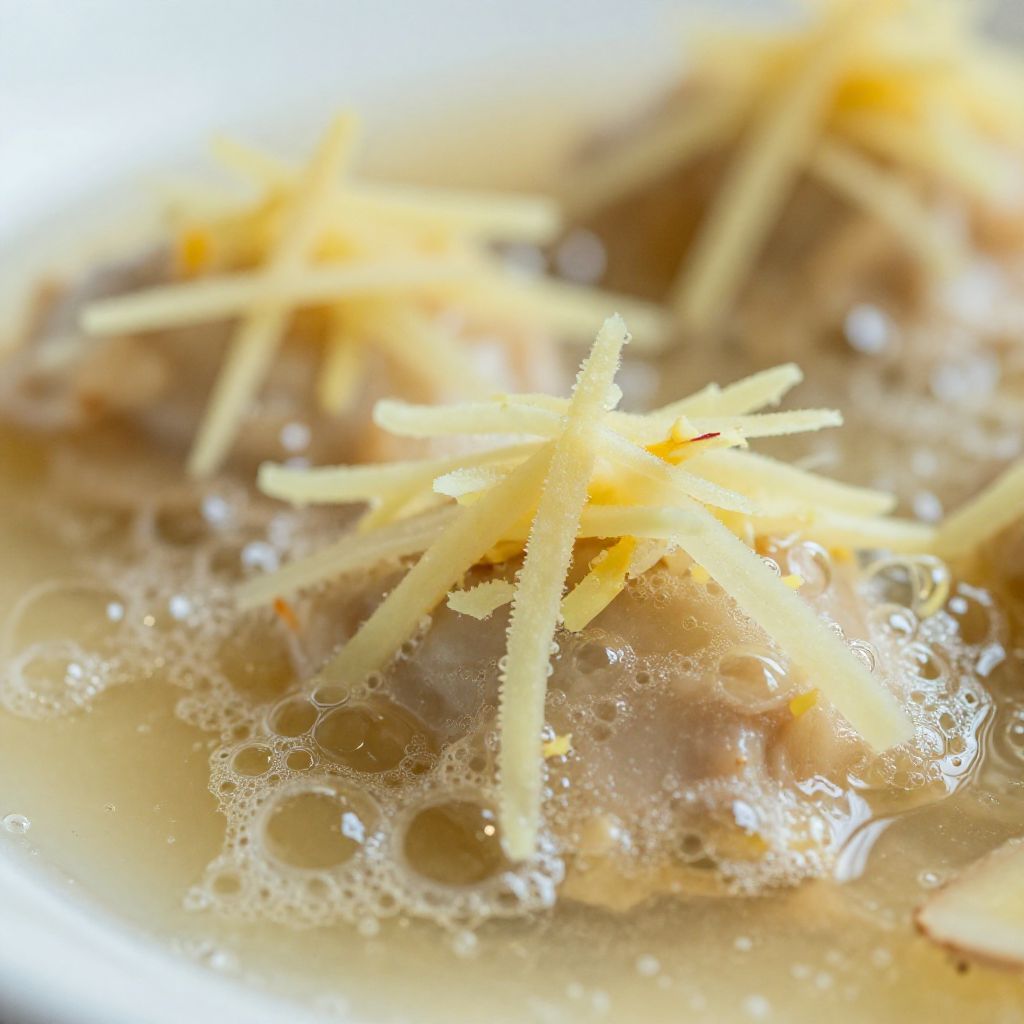
In your quart jar, mix the grated ginger, sugar, and water until the sugar is dissolved. This mixture creates a nutrient-rich environment for fermentation.
Step 2: Cover the Jar
Cover the jar with cheesecloth or a breathable cloth secured with a rubber band. This allows airflow while keeping out unwanted pests.
Step 3: Let It Sit
Place the jar in a warm, dark spot in your kitchen. A temperature between 70°F and 85°F is ideal for fermentation.
Step 4: Feed the Ginger Bug
Every day for the next 5 to 7 days, add 2 tablespoons of grated ginger and 2 tablespoons of sugar to the jar. This feeding process keeps the culture alive and thriving.
Step 5: Watch for Bubbles
After a few days, you should start to see bubbles forming. This is a sign that fermentation is taking place, and your ginger bug is coming to life.
Step 6: Test for Readiness
After about a week, taste a small amount of the ginger bug. It should have a pleasantly tangy flavor and a slight fizz, indicating it’s ready to use.
Step 7: Strain the Ginger Bug
Once ready, strain out the solids using a fine mesh sieve or cheesecloth. This leaves you with a liquid that can be used in various recipes.
Step 8: Store or Use Immediately
Your ginger bug can be used right away in homemade sodas or stored in the refrigerator for later use. Just remember to feed it weekly if you keep it alive.
Pro Tip: Keep your ginger bug in a warm spot to encourage fermentation, but avoid direct sunlight.
Tips for the Best Ginger Bug
- Use fresh ginger for the best results; it has more active cultures than dried.
- Ensure your water is chlorine-free to avoid inhibiting the fermentation process.
- Regularly check the consistency; it should be bubbly but not overly fizzy.
- Keep the jar covered to prevent contamination, but allow for airflow.
- If you notice any black mold, discard the bug and start over.
Common Mistakes to Avoid
- Using chlorinated water can kill the yeast; always opt for filtered.
- Not feeding the bug regularly will lead to a weak culture.
- Storing the bug in a cold place slows down fermentation drastically.
- Using ground ginger instead of fresh can result in a less effective fermentation.
Serving Suggestions
Once you have your ginger bug ready, the possibilities are endless! Here are some ideas for serving:
- Mix it with sparkling water for a refreshing drink.
- Add it to cocktails for a unique twist on classic recipes.
- Use it as a starter for homemade ginger beer.
- Mix it with fruit juices for a bubbly treat.
Variations to Try
- Add a pinch of cinnamon or turmeric for a warm flavor twist.
- Experiment with different sugars like brown sugar for a deeper flavor.
- Mix in some fruit peels (like lemon or orange) for an aromatic boost.
- Try using honey instead of sugar for a different sweet note.
Dietary Adaptations
- This recipe is naturally gluten-free as it contains no grains.
- To make it vegan, use sugar that is not processed with bone char.
- Low-carb diets can use stevia or erythritol instead of sugar.
Storage and Reheating
Refrigerator
Your ginger bug can be stored in the fridge for up to two weeks. Just remember to feed it weekly.
- Keep it in a sealed jar.
- Feed it once a week with ginger and sugar.
Freezer
Freezing is not recommended as it may kill the cultures. However, you can take a small amount and freeze it to experiment later.
- Use ice cube trays for portioning.
- Thaw slowly in the refrigerator before using.
Reheating
Reheating is unnecessary since ginger bug is a living culture. Just use it fresh from the jar.
- Ensure you have the right measurements for recipes.
- Stir well before using to redistribute the culture.
Nutrition Information
| Nutrient | Amount |
|---|---|
| Calories | 15 |
| Total Fat | 0g |
| Saturated Fat | 0g |
| Carbohydrates | 4g |
| Fiber | 0g |
| Sugar | 4g |
| Protein | 0g |
| Sodium | 0mg |
| Cholesterol | 0mg |
This nutritional information is an estimate and may vary based on specific ingredients used.
Frequently Asked Questions
Can I use dried ginger instead of fresh?
While dried ginger can be used, fresh ginger is more effective for creating a robust fermentation culture.
How long can I keep my ginger bug?
Your ginger bug can last up to two weeks in the refrigerator, but it should be fed regularly to stay active.
Can I make this ahead of time?
Absolutely! You can prepare your ginger bug a week in advance for your planned soda-making.
Why is my ginger bug not bubbling?
If your ginger bug isn’t bubbling, it may not be getting enough warmth or nutrients. Make sure it’s in a warm spot and being fed daily.
How do I use my ginger bug?
You can use it to make homemade ginger ale, mix it into cocktails, or add it to other beverages for a fizzy kick.
Final Thoughts
Making a ginger bug is not only fun but opens up a whole new world of homemade beverages. Once you see the bubbles forming, you’ll feel a sense of accomplishment with every fizzy sip you take.
So why wait? Grab some ginger and start this delightful project today. And if you’re curious about other refreshing drinks, check out this ginger beer recipe or explore a tasty ginger drink recipe for more bubbly inspiration!
Ginger Bug
Ingredients
Equipment
Method
- Combine 1 cup filtered water, 2 tablespoons grated ginger, and 2 tablespoons sugar in a quart jar and stir until the sugar is fully dissolved.
- Cover the jar with cheesecloth or a breathable cloth and secure it with a rubber band to allow airflow while keeping out debris.
- Place the jar in a warm (70°F–85°F), dark spot in your kitchen to encourage fermentation.
- Every day for the next 5–7 days, add 2 tablespoons grated fresh ginger and 2 tablespoons sugar to the jar, stirring well to feed the culture.
- Watch for bubbles forming on the surface and along the sides of the jar as a sign of active fermentation.
- After about 7 days, taste a small amount; it should be tangy and slightly fizzy, indicating readiness.
- Strain out the solids using a fine mesh sieve or cheesecloth to obtain the liquid ginger bug culture.
- Use the liquid immediately in homemade sodas or store it in the refrigerator; feed weekly to maintain the culture.