
Picture a warm summer evening, the sun setting with a golden hue, and a glass of homemade peach mead in hand. This delightful drink is not just a refreshing sip; it offers a sweet, fruity flavor that dances on your palate, making it a perfect companion for those lazy afternoons or festive gatherings.
Making peach mead is a wonderful way to celebrate the bounty of summer peaches. It’s surprisingly easy and rewarding, as you’ll soon discover the joy of crafting your own beverage. The balance of honey and ripe peaches creates a delicious harmony that is hard to resist, making it a standout choice for any occasion.
Why You’ll Love This Recipe
Not only does this recipe offer a unique way to enjoy peaches, but it also allows you to create something truly special.
- Simple ingredients that you can find easily.
- Perfect for summer gatherings or cozy nights in.
- Can be tailored to your sweetness preference.
- Deliciously versatile; serve it chilled or warm.
- A fun project that yields delightful results.
My Experience Making This Recipe
When I first made peach mead, I was amazed by how straightforward the process was. The fragrant aroma of peaches and honey filled my kitchen, instantly transporting me to a sun-soaked orchard.
After a few weeks of patience, the first sip was pure bliss. The balance of flavors was incredible, and I couldn’t help but feel proud of my creation. It was a hit among friends, who kept asking for more!
Recipe Overview
- Recipe Name: Peach Mead
- Servings: 5 servings
- Prep Time: 20 minutes
- Cook Time: N/A
- Total Time: 4-6 weeks (fermentation time)
- Course: Beverage
- Cuisine: American
- Calories per Serving: Approximately 150
Equipment You Will Need
- 1-gallon glass carboy
- Airlock and stopper
- Large pot for boiling
- Funnel
- Measuring cups and spoons
- Wooden spoon for stirring
- Sanitizer for cleaning equipment
Ingredients for Peach Mead
- 6-8 ripe peaches, pitted and chopped
- 2 cups honey
- 1 gallon water
- 1 teaspoon yeast nutrient
- 1 packet champagne or mead yeast
Ingredient Notes and Substitutions
- Peaches: They add natural sweetness and flavor. If peaches are out of season, use nectarines or canned peaches.
- Honey: This is the primary fermentable sugar. You can substitute with agave nectar for a different flavor profile.
- Water: Use filtered water for the best taste. Tap water may impart unwanted flavors.
- Yeast nutrient: This helps the fermentation process. You can omit it, but the fermentation might be slower.
- Yeast: Champagne yeast gives a clean finish. You can try other wine yeasts for varied results.
How to Make Peach Mead
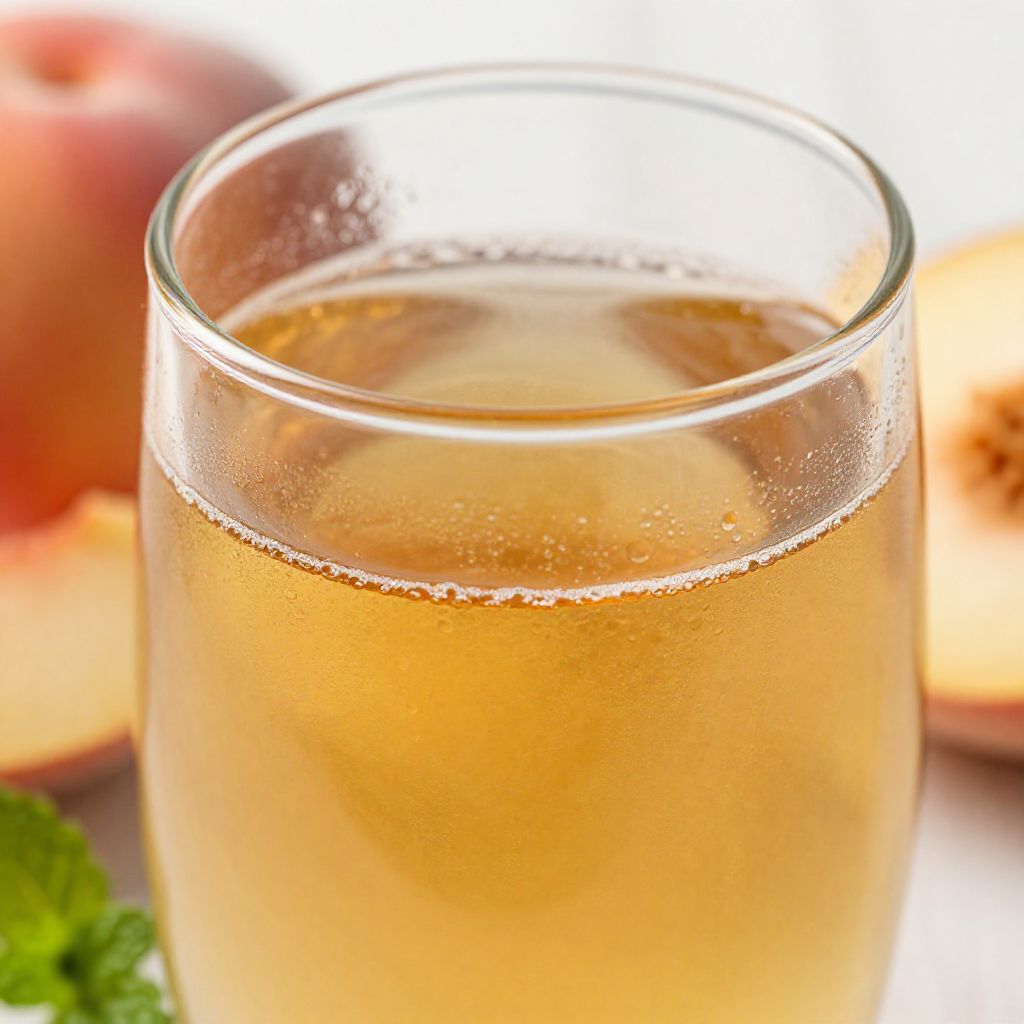
Step 1: Prepare the Peaches
Start by washing and chopping the peaches. This step is essential as it releases the natural sugars and flavors into your mead.
Step 2: Boil the Water
In a large pot, bring the gallon of water to a boil. Boiling helps to sanitize the water and dissolve the honey more easily.
Step 3: Add the Honey
Once the water is boiling, remove it from heat and stir in the honey until fully dissolved. This creates the base of your mead, balancing sweetness with the fruity notes of peach.
Step 4: Cool the Mixture
Let the honey-water mixture cool to room temperature. Cooling is crucial as adding yeast to hot liquid can kill it, preventing fermentation.
Step 5: Combine Ingredients
In your sanitized carboy, add the chopped peaches, yeast nutrient, and cooled honey-water mixture. This is where all the flavors will come together.
Step 6: Add the Yeast
Sprinkle the yeast over the mixture without stirring. This allows the yeast to hydrate and start the fermentation process effectively.
Step 7: Seal and Ferment
Attach the airlock to the carboy and place it in a cool, dark place. Fermentation will start within a few days, producing bubbles in the airlock.
Step 8: Bottle the Mead
After 4 to 6 weeks, when fermentation has stopped, siphon the mead into clean bottles, leaving sediment behind. This step clarifies your mead for a cleaner taste.
Pro Tip: Patience is key; letting the mead age for a few months will enhance the flavors significantly.
Tips for the Best Peach Mead
- Use ripe, fresh peaches for the best flavor.
- Sanitize all equipment to prevent contamination.
- Store your mead in a cool, dark place for optimal fermentation.
- Consider adding spices like cinnamon or ginger for a unique twist.
- Experiment with different honey types for varied sweetness.
Common Mistakes to Avoid
- Not sanitizing equipment can lead to contamination and spoilage.
- Using hot water can kill the yeast, halting fermentation.
- Skipping the yeast nutrient may slow down fermentation.
- Rushing the fermentation process can result in a harsh flavor.
Serving Suggestions
This peach mead is delightful served chilled or at room temperature. Pair it with the following:
- Charcuterie boards filled with cheese and meats.
- Grilled chicken or pork for a summer barbecue.
- Spicy Asian dishes for a refreshing contrast.
- Simple fruit desserts for a sweet complement.
Variations to Try
- Add fresh herbs like mint or basil for an herbal twist.
- Try using different stone fruits such as apricots or plums.
- Incorporate spices like cinnamon or vanilla for added depth.
- Experiment with different types of honey for unique flavors.
Dietary Adaptations
- Gluten-free: Naturally gluten-free; no changes needed.
- Dairy-free: This recipe is dairy-free as written.
- Vegan: Use agave nectar instead of honey for a vegan option.
- Low-carb/Keto: This recipe is higher in sugars; consider using fewer peaches or a low-carb sweetener.
Storage and Reheating
Refrigerator
Store your mead in the refrigerator after bottling. This helps it stay fresh and prolongs the flavor.
- Keep bottles upright to avoid sediment disturbance.
- Consume within a year for the best flavor.
Freezer
Freezing is not recommended for mead as it can alter the flavor and texture. However, if you must, use freezer-safe bottles.
- Leave space in bottles for expansion.
Reheating
If you prefer warm mead, gently heat it on the stove. Avoid boiling to preserve flavors.
- Serve warm with spices for a cozy drink.
Nutrition Information
| Nutrient | Amount |
|---|---|
| Calories | 150 |
| Total Fat | 0g |
| Saturated Fat | 0g |
| Carbohydrates | 38g |
| Fiber | 0g |
| Sugar | 30g |
| Protein | 0g |
| Sodium | 5mg |
| Cholesterol | 0mg |
This information is an estimate and can vary based on specific ingredients used.
Frequently Asked Questions
Can I use frozen peaches?
Yes, frozen peaches work well; just let them thaw before adding to the mixture.
How long does it take to ferment?
Fermentation typically takes 4 to 6 weeks, but you can let it go longer for deeper flavor.
Can I make this ahead of time?
Absolutely! This mead improves with age, so making it a few months in advance is ideal.
What if my mead is cloudy?
Cloudiness can occur due to sediment; it’s perfectly fine, but you can clarify it by siphoning.
How do I know when fermentation is complete?
Fermentation is complete when bubbling in the airlock has stopped for several days.
Final Thoughts
Crafting your own peach mead is a delightful experience, and the result is worth the wait. I hope you enjoy every sip as much as I do.
For more delicious recipes, check out my favorites like Peach Cider Recipe and Peach Moonshine Mash Recipe.

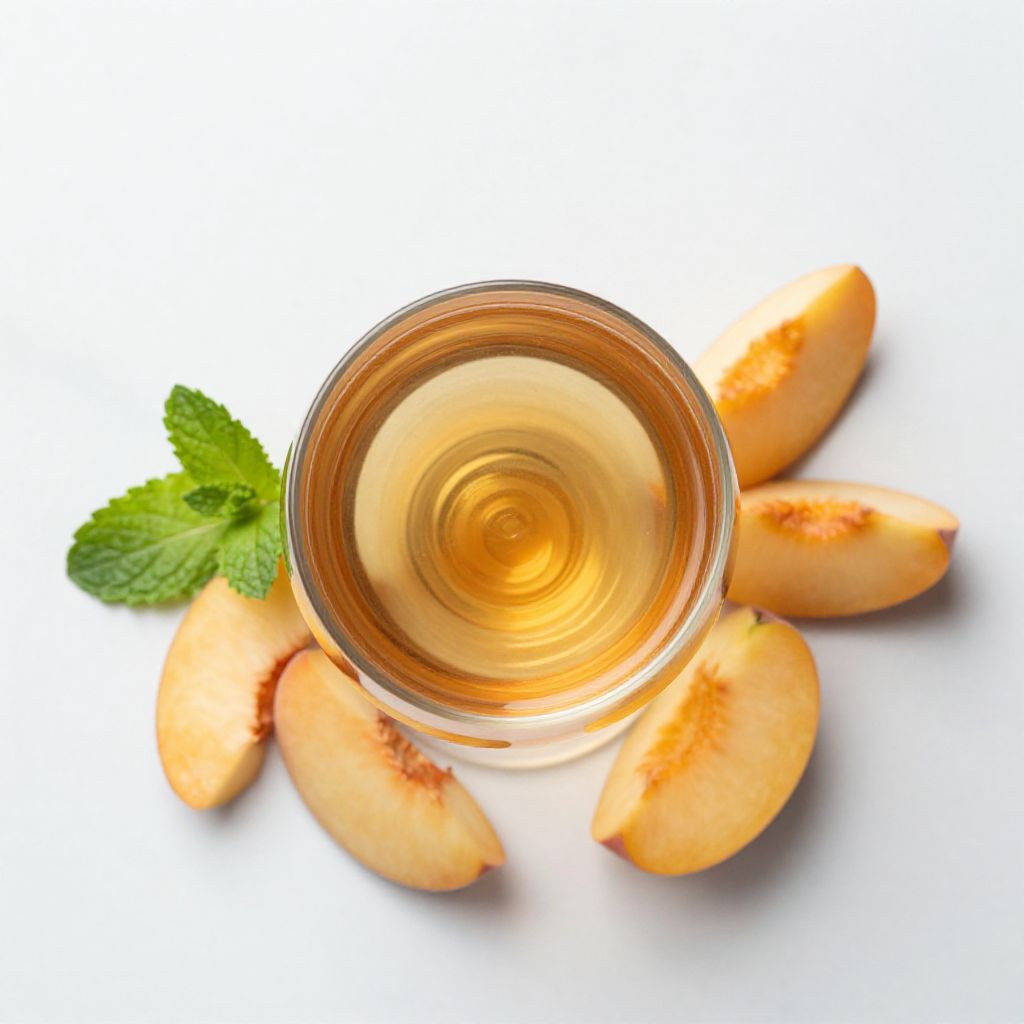
Peach Mead
Ingredients
Equipment
Method
- Step 1: Wash and chop 6-8 ripe peaches, pitting them and cutting into pieces to release natural sugars.
- Step 2: In a large pot, bring 1 gallon of water to a rolling boil over high heat (about 212°F) for 2 minutes to sanitize.
- Step 3: Remove the pot from heat and stir in 2 cups of honey until fully dissolved, then allow the mixture to cool to room temperature (about 20 minutes).
- Step 4: Sanitize and set up a 1-gallon glass carboy; use a funnel to transfer the cooled honey-water mixture into the carboy.
- Step 5: Add the chopped peaches and 1 teaspoon of yeast nutrient to the carboy, gently mixing with a sanitized spoon.
- Step 6: Sprinkle 1 packet of champagne or mead yeast on top of the mixture without stirring, then seal the carboy with an airlock and stopper.
- Step 7: Place the carboy in a cool, dark location at 65-75°F and ferment for 4-6 weeks, monitoring that airlock bubbling starts within 2-3 days.
- Step 8: Once fermentation has ceased (no bubbles in the airlock for several days), siphon the mead into sanitized bottles, leaving sediment behind.