
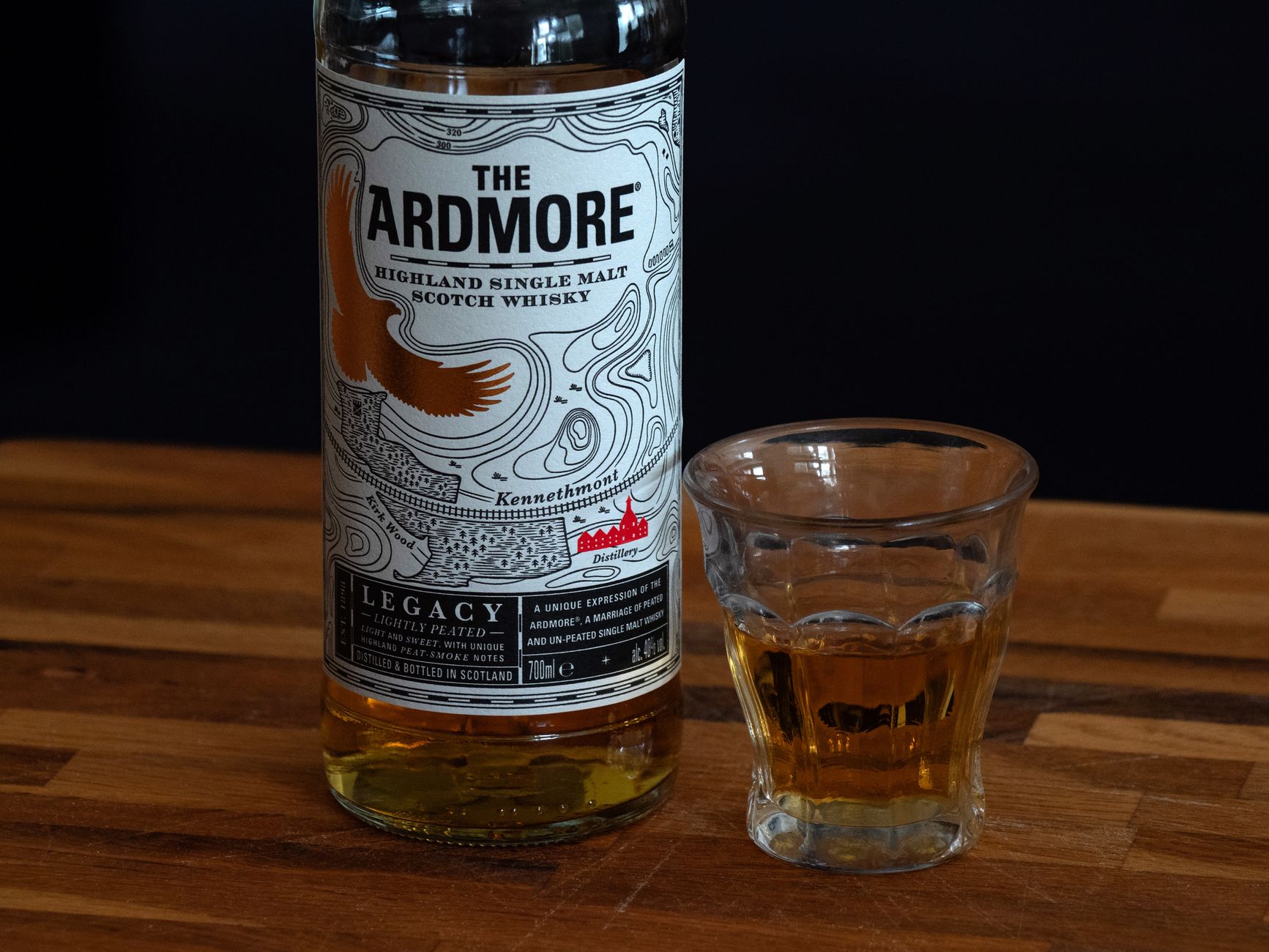
Scotch, a term that evokes images of rolling hills of barley and traditional distilleries, refers primarily to a type of whisky made in Scotland. Its rich flavors, complex aromas, and unique production methods set Scotch apart from other types of whisky. In this guide, we will explore what Scotch means, its production process, different types, how to enjoy it, and even its culinary uses.
Understanding Scotch opens up a world of appreciation for this storied spirit. Whether you are a seasoned whisky enthusiast or just beginning to explore, this article will provide valuable insights into Scotch’s history, characteristics, and practical applications in both drinks and food contexts.
What Does Scotch Mean?
Scotch refers specifically to whisky that is distilled and matured in Scotland for a minimum of three years. It is made primarily from malted barley or a mixture of grains and has a distinct flavor profile that varies depending on its region of origin. The term “Scotch” itself is a protected designation of origin, ensuring that only whisky produced in Scotland can carry this name.
The Production Process of Scotch
The production of Scotch whisky involves several meticulous steps that contribute to its unique characteristics. Here is an overview of the essential stages involved:
- Milling: Barley is ground into a coarse flour known as grist to prepare it for mashing.
- Mashing: The grist is mixed with hot water in a large vessel called a mash tun. This process converts the starches in the barley into fermentable sugars.
- Fermentation: The sweet liquid, now known as wort, is transferred to fermentation vessels where yeast is added. The yeast ferments the sugars, creating alcohol.
- Distillation: The fermented liquid (wash) is then distilled twice in pot stills to separate alcohol from impurities. The first distillation takes place in a wash still, and the second occurs in a spirit still.
- Maturation: The distilled spirit is placed in oak barrels to mature for a minimum of three years, though many premium Scotches age for much longer. The interaction between the whisky and the wood develops complex flavors.
- Bottling: After aging, Scotch is filtered and diluted to the desired bottling strength, usually around 40% ABV.
Types of Scotch Whisky
Scotch whisky is classified into several types, each with distinct characteristics and production methods. Here are the primary categories:
- Single Malt Scotch: Made from 100% malted barley at a single distillery, single malt Scotch is known for its rich flavors and complexity.
- Single Grain Scotch: Produced at a single distillery, this type can include other grains in addition to barley. Single grain Scotches are typically lighter and less complex than single malts.
- Blended Malt Scotch: A blend of single malts from different distilleries, this type combines various flavors to create a well-rounded whisky.
- Blended Grain Scotch: Similar to blended malt, but this blend consists of single grain whiskies from different distilleries.
- Blended Scotch: The most widely produced type, blended Scotch combines both single malt and single grain whiskies. It is often mellow and approachable, making it a popular choice for casual drinkers.
Regions of Scotch Production
Scotch whisky must be produced in Scotland, and different regions offer unique flavor profiles based on local ingredients, climate, and production methods. Here are the main Scotch-producing regions:
- Speyside: Known for its sweet and fruity whiskies, Speyside is home to some of the best-selling Scotch brands, including Glenfiddich and Macallan.
- Islay: Distinct for its peaty and smoky flavor, Islay whiskies like Laphroaig and Ardbeg are often polarizing but beloved by many whisky aficionados.
- Highlands: This large region features a diverse range of styles, from floral and light to rich and complex. Glenmorangie and Oban are well-known Highland distilleries.
- Lowlands: Lowland whiskies are typically lighter and more subtle, with brands such as Auchentoshan offering approachable options.
- Campbeltown: Once a thriving whisky-producing region, Campbeltown now boasts a few unique distilleries like Springbank, known for their maritime character.
How to Enjoy Scotch
Scotch can be enjoyed in various ways, and the choice often depends on personal preferences. Here are some tips on how to savor Scotch whisky:
Neat
For a pure experience, serve Scotch neat in a Glencairn glass or a tumbler. This allows you to appreciate its aroma and flavors fully. Hold the glass by the base to warm the whisky slightly with your hand.
On the Rocks
If you prefer a chilled drink, serve Scotch over ice. However, be cautious; adding too much ice can dilute the flavors. Consider using large ice cubes that melt slowly.
With Water
Add a few drops of water to your Scotch to open up flavors and aromas. This method can be particularly beneficial for higher proof whiskies.
In Cocktails
While Scotch is often enjoyed neat, it can also be used in classic cocktails. Here are a few ideas:
- Rob Roy: A scotch-based variation of the Manhattan, combining Scotch, sweet vermouth, and bitters.
- Blood and Sand: A classic cocktail made with Scotch, sweet vermouth, orange juice, and cherry brandy.
- Penicillin: A modern classic that includes blended Scotch, honey-ginger syrup, and fresh lemon juice.
Culinary Uses of Scotch
Scotch whisky is not only a popular beverage but also a versatile ingredient in cooking and baking. It can add depth and complexity to various dishes. Here are some culinary applications:
Marinades and Glazes
Scotch can be used in marinades and glazes for meats, imparting rich flavors. Combine it with soy sauce, garlic, brown sugar, and other ingredients for a delicious marinade. Try it on grilled chicken or pork for an enhanced flavor profile.
Soups and Stews
A splash of Scotch can elevate soups and stews. Add it to your beef stew or chili for a subtle smokiness. Remember, the key is to use it sparingly so that it complements rather than overpowers the dish.
Reducing Sauces
Use Scotch to create flavorful reductions. Cook down Scotch with stock, shallots, and herbs to create a delicious sauce for steak or roasted vegetables.
Baking
In baking, Scotch can add a unique flavor to desserts. Use it in recipes for cakes, cookies, and brownies. A chocolate cake with a splash of Scotch can offer a delightful depth of flavor.
Choosing the Right Scotch
With so many options available, choosing the right Scotch can be overwhelming. Here are some practical tips for making your selection:
- Consider Flavor Profiles: Think about whether you prefer light and fruity, elegant and floral, or rich and smoky whiskies.
- Explore Regions: Experiment with different Scotch regions to discover the styles you enjoy most.
- Read Reviews: Consult whisky reviews and ratings to help narrow down your choices. Many enthusiasts share their tasting experiences online.
- Ask for Recommendations: Don’t hesitate to ask staff at liquor stores or bars for their recommendations based on your preferences.
- Try a Tasting Flight: Many bars and distilleries offer tasting flights, allowing you to sample several whiskies to identify what you like best.
Common Mistakes When Enjoying Scotch
To fully appreciate Scotch, it’s essential to avoid some common mistakes:
- Too Much Ice: Using too much ice can dilute the flavors and aromas. If you prefer your Scotch chilled, consider using fewer large ice cubes.
- Forgetting to Smell: Taking the time to enjoy the aroma is a crucial part of the tasting experience. Swirl the whisky gently and inhale its scents before tasting.
- Serving Low-Quality Glassware: The type of glass does matter. Use a Glencairn glass or tumbler to enhance your tasting experience.
- Rushing the Process: Sipping Scotch should be a leisurely experience. Take your time to savor each sip and allow your palate to adjust to the flavors.
Storing Scotch Properly
To maintain the quality of your Scotch, proper storage is essential. Here are a few tips:
- Keep It Upright: Store bottles upright to avoid the cork coming into contact with the whisky, which can lead to spoilage.
- Avoid Light: Store your Scotch in a dark cupboard or a place that doesn’t receive direct sunlight. UV light can degrade the whisky’s quality over time.
- Temperature Control: Keep Scotch at a consistent, cool temperature. Avoid excessive heat or fluctuations that can affect flavor and aroma.
- Close Caps Tightly: Ensure bottles are sealed properly to prevent evaporation and oxidation.
Conclusion
Understanding Scotch—a term rich in history, culture, and flavor—enhances not only your drinking experience but also your culinary adventures. By familiarizing yourself with its production, types, and appropropriate uses, you can appreciate this remarkable spirit even more. Whether sipped neat, mixed in cocktails, or incorporated into delectable dishes, Scotch offers a versatile and nuanced addition to your culinary repertoire.
If you’re interested in experimenting with flavors in the kitchen, you might also enjoy exploring homemade ingredients such as bourbon vanilla extract or trying out a classic bourbon sidecar cocktail. Enjoy your journey with Scotch and the creativity it brings to both your palate and your meals!