
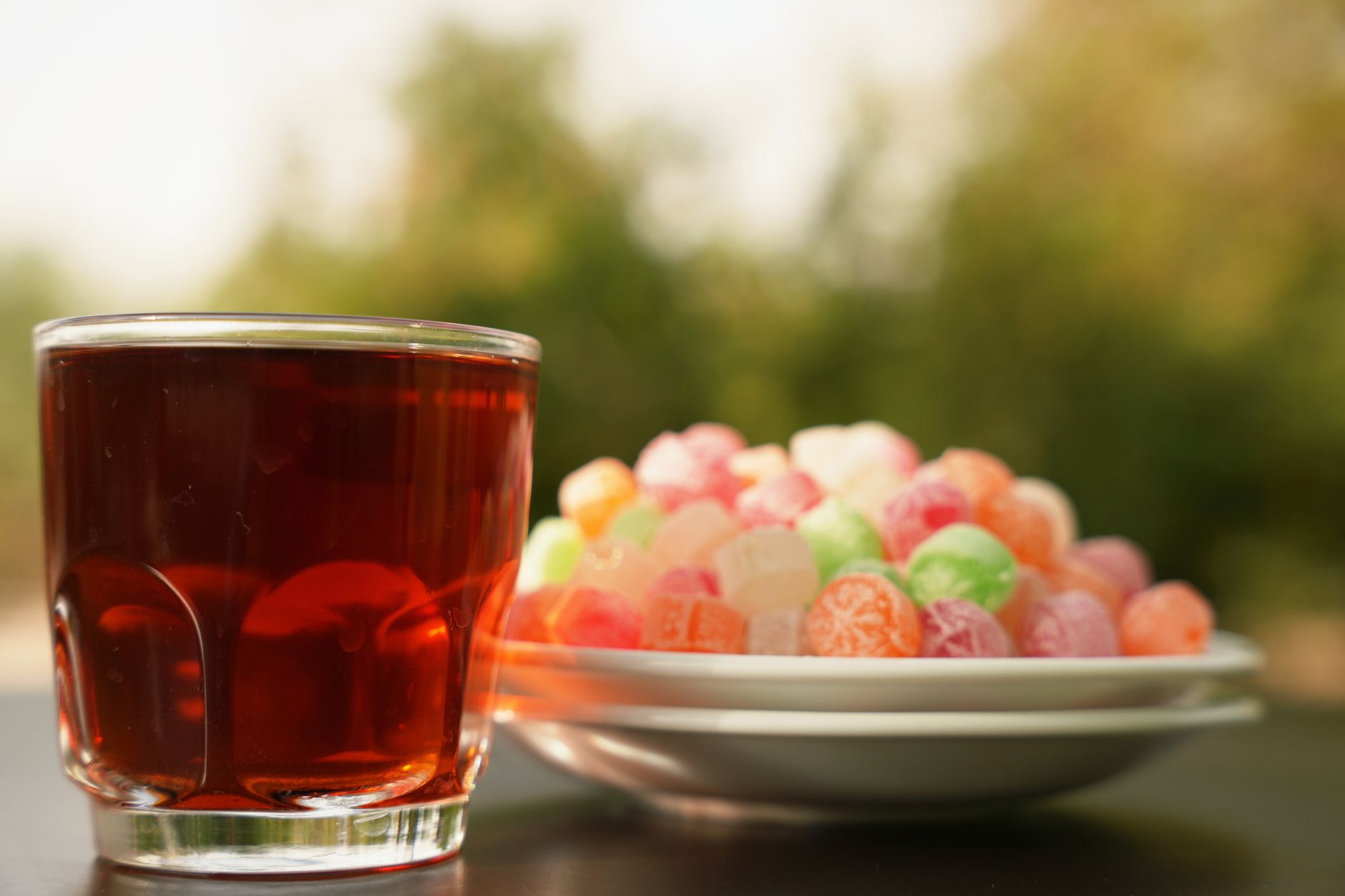
Sweet tea, a popular beverage particularly in the southern United States, is often enjoyed for its refreshing taste and sweetness. A common question that arises among sweet tea enthusiasts is whether it is caffeinated. This article aims to clarify the caffeine content in sweet tea, its effects, and provide helpful insights on its preparation and variations.
Understanding sweet tea involves exploring its ingredients, types of tea used, and the brewing methods that influence its flavor and caffeine content. Whether you are a longtime fan of this classic beverage or a curious newcomer, this guide will provide the comprehensive information you need.
Is Sweet Tea Caffeinated?
Yes, sweet tea typically contains caffeine, as it is usually brewed from black tea leaves, which naturally contain this stimulant. The level of caffeine can vary depending on the type of tea, how it is brewed, and how long it steeps. A standard 8-ounce serving of sweet tea can contain approximately 30 to 60 milligrams of caffeine, compared to about 95 milligrams in a similar serving of coffee.
Understanding Caffeine Content in Tea
To better understand the caffeine content in sweet tea, it’s essential to explore the factors that influence how much caffeine is present. Here are the main variables:
1. Type of Tea Used
The most common tea used for sweet tea is black tea, which generally has higher caffeine levels compared to green or herbal teas. The specific variety of black tea also plays a role. For instance, Assam and Ceylon black teas contain more caffeine than Darjeeling tea.
2. Brewing Time and Temperature
The caffeine extraction in tea increases with brewing time and the temperature of the water. Longer steeping times and hotter water will yield a tea that is richer in flavor and higher in caffeine. Generally, steeping black tea for 3 to 5 minutes will result in a caffeine content that falls within the typical range.
3. Amount of Tea Leaves Used
More tea leaves will result in a stronger brew with higher caffeine content. The standard recommendation is one teaspoon of tea leaves per cup of water, but if you prefer a more robust flavor, using more than the recommended amount will increase both flavor and caffeine levels.
How to Make Sweet Tea
Making sweet tea is a simple process that primarily involves brewing black tea and adding sugar to achieve the desired sweetness. Here’s a basic recipe to guide you through the process.
Ingredients
- 4 cups water
- 4 to 6 tea bags (black tea preferred)
- 1 cup granulated sugar (adjust to taste)
- Ice cubes
- Optional: fresh lemon slices or mint for garnish
Essential Equipment
- Medium saucepan
- Measuring cup
- Heat-resistant pitcher or container
- Spoon for stirring
- Strainer (if needed)
Method
- In a medium saucepan, bring the water to a boil over medium-high heat.
- Once boiling, remove the saucepan from heat and add the tea bags. Let them steep for about 5 to 10 minutes, depending on how strong you prefer your tea.
- After steeping, remove the tea bags and stir in the granulated sugar while the tea is still warm. Stir until the sugar dissolves completely.
- Allow the mixture to cool to room temperature, then transfer it to a heat-resistant pitcher.
- Refrigerate the tea until chilled. Serve over ice and garnish with lemon slices or mint, if desired.
This recipe yields about 4 servings of sweet tea, and you can adjust the sweetness or strength based on personal preference.
Variations of Sweet Tea
Sweet tea is highly versatile, and you can enhance its flavor or alter its caffeine levels by trying different brewing methods or additional ingredients. Here are a few popular variations:
1. Herbal Sweet Tea
If you want a caffeine-free option, consider using herbal teas such as chamomile or peppermint. These can be steeped similarly to regular sweet tea and provide a unique flavor profile.
2. Flavored Sweet Tea
Additions such as peach, raspberry, or lemon can give a refreshing twist to classic sweet tea. You can use flavored tea bags or infuse fresh fruits during the brewing process.
3. Iced Sweet Tea Lemonade
Combine freshly brewed sweet tea with lemonade for a delightful summer drink. The tartness of the lemonade complements the sweetness of the tea perfectly.
4. Sweet Tea Cocktail
Sweet tea can also be used as a base for cocktails. Mix it with whiskey for a Southern classic, or blend it with vodka and lemonade for a fruity refresher.
Common Mistakes When Making Sweet Tea
When preparing sweet tea, a few common pitfalls can affect the outcome. Here are some to keep in mind:
1. Over-steeping Tea
Leaving tea bags in too long can result in bitterness. Stick to the recommended steeping times for optimal flavor.
2. Incorrect Sugar Ratios
Not adding enough sugar can result in tea that tastes too bland. Alternatively, adding too much can over-sweeten it, masking the tea’s flavor.
3. Not Chilling Properly
Skipping the chilling step can give you a lukewarm beverage that lacks the refreshing qualities sweet tea is known for. Always allow the tea to cool completely before serving over ice.
Storage and Shelf Life
Proper storage of sweet tea can help maintain its flavor and quality. Here’s how to store it:
- Keep sweet tea in an airtight container in the refrigerator, where it can stay fresh for about 3 to 5 days.
- If you notice any off-flavors or odors, it’s best to discard the tea and brew a fresh batch.
- Do not freeze sweet tea, as ice crystals can affect its texture and taste.
Caffeine Sensitivity and Moderation
For those sensitive to caffeine, monitoring intake is crucial. If you enjoy sweet tea but wish to reduce your caffeine consumption, consider the following:
- Choose decaffeinated black tea for your sweet tea, which significantly lowers the caffeine content.
- Opt for herbal variations instead, which contain no caffeine at all.
- Limit your serving size to reduce overall caffeine intake.
Conclusion
Sweet tea is a delightful beverage that reflects cultural traditions and personal preferences. While typically caffeinated, its caffeine content can vary based on several factors. By understanding how to make and customize your sweet tea, you can enjoy this refreshing drink to the fullest. Whether you prefer it classic, flavored, or even as part of a cocktail, sweet tea is sure to perfect any gathering.
If you want to explore related recipes, cooking tips, or other food guides, consider checking out our Luzianne Sweet Tea Recipe or try a unique Cardamom Tea Recipe.