
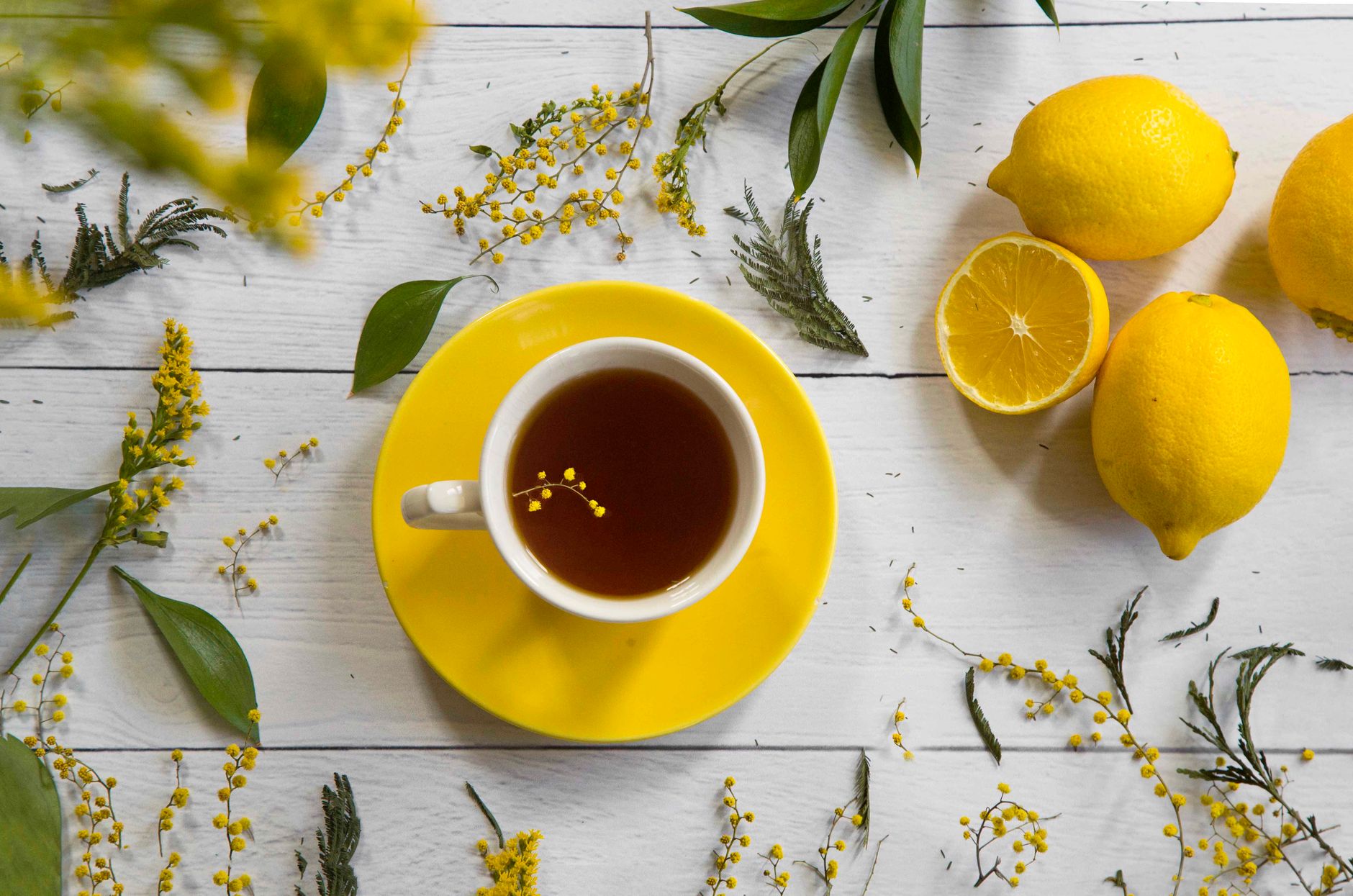
Managing blood pressure is essential for overall health, and incorporating certain teas into your diet can be a delicious way to support this goal. Not only do these teas have pleasant flavors, but they also come with potential health benefits that can contribute to lower blood pressure levels.
This article explores various types of tea that help lower blood pressure, including their health benefits, preparation methods, and tips for incorporating them into your daily routine. Let’s dive into the world of tea and its impact on blood pressure.
What Tea Helps Lower Blood Pressure?
Several types of tea have been associated with lowering blood pressure, including hibiscus tea, green tea, and black tea. Hibiscus tea stands out due to its high antioxidant content and specific compounds that can promote heart health. Green tea, rich in polyphenols, also offers cardiovascular benefits. Drinking these teas regularly may lead to improvements in blood pressure readings.
Hibiscus Tea: A Tart Delight
Hibiscus tea has gained attention for its remarkable ability to lower blood pressure. It is made from the dried petals of the hibiscus flower, giving it a beautiful ruby hue and a tart, cranberry-like flavor. Numerous studies suggest that consumption of hibiscus tea can significantly reduce systolic and diastolic blood pressure.
Health Benefits of Hibiscus Tea
- Rich in antioxidants, primarily anthocyanins.
- May help lower blood pressure in hypertensive individuals.
- Supports liver health and reduces cholesterol levels.
How to Prepare Hibiscus Tea
- Boil 4 cups of water in a pot.
- Add 1 cup of dried hibiscus petals.
- Let it steep for 10-15 minutes, depending on your desired strength.
- Strain the tea through a fine mesh or cheesecloth.
- Sweeten with honey or agave syrup if desired, and serve hot or chilled.
Common Mistakes with Hibiscus Tea
One common mistake is oversteeping the tea, which can make it excessively tart. Start with the recommended steeping time and adjust based on your taste preference. It’s also important to note that consuming excessive amounts might lead to lowered blood pressure beyond healthy levels.
Green Tea: The Versatile Brew
Green tea has long been praised for its health benefits, including its potential to lower blood pressure. This tea is made from unoxidized tea leaves, retaining more antioxidants and polyphenols compared to other tea types.
Health Benefits of Green Tea
- Contains catechins, which help dilate blood vessels.
- May improve cholesterol levels and reduce the risk of heart disease.
- Supports metabolism and promotes weight loss.
How to Prepare Green Tea
- Heat water to about 175°F (80°C) to avoid bitterness.
- Add 1 teaspoon of green tea leaves per cup.
- Steep for 2-3 minutes.
- Strain the tea and enjoy plain or with a slice of lemon.
Common Mistakes with Green Tea
A frequent issue is using boiling water, which can lead to bitterness. Also, avoid steeping green tea for too long, as this will result in a less pleasant flavor. Experiment a little to find your perfect balance.
Black Tea: A Bold Choice
Black tea is the most commonly consumed tea worldwide and offers several cardiovascular benefits, including the potential to reduce blood pressure. It contains flavonoids that can support blood vessel health.
Health Benefits of Black Tea
- Reduces the risk of stroke and heart disease.
- Contains L-theanine, which aids in relaxation.
- Offers anti-inflammatory properties.
How to Prepare Black Tea
- Bring water to a rolling boil.
- Add 1 teaspoon of black tea leaves per cup or use a tea bag.
- Allow to steep for 3-5 minutes.
- Remove the leaves or tea bag and enjoy plain or with milk.
Common Mistakes with Black Tea
One mistake people make is steeping black tea for too long, which can result in a bitter taste. Use the timer for optimal flavor extraction, and consider experimenting with different types of black tea to find one that you enjoy most.
Other Notable Teas for Lowering Blood Pressure
Aside from hibiscus, green, and black tea, several other herbal and specialty teas can contribute positively to blood pressure management:
Chamomile Tea
Chamomile tea is known for its calming effects which can reduce stress, a significant contributor to high blood pressure. Drinking chamomile tea may help in relaxation, thus aiding in lowering blood pressure.
Oolong Tea
This partially oxidized tea offers benefits similar to green and black tea, fostering heart health and potentially improving blood pressure when consumed regularly.
Rooibos Tea
A naturally caffeine-free herbal tea from South Africa, rooibos contains antioxidants and may have a mild hypotensive effect, which means it can lower blood pressure.
Combining Teas for Enhanced Effect
Combining different types of tea can enhance the health benefits while adding layers of flavor. For instance, mixing hibiscus with green tea can amplify the antioxidant content and create an interesting sweet-tart blend.
Recipe for Hibiscus Green Tea Blend
- Boil 2 cups of water and add 1 tablespoon of dried hibiscus petals and 1 teaspoon of green tea leaves.
- Steep for 8-10 minutes.
- Strain the tea and serve chilled or warm, sweetened with honey if desired.
Important Considerations
When trying to manage blood pressure through tea, consider the caffeine content, especially in green and black teas. Caffeine can have variable effects on blood pressure among individuals, so monitor how your body responds and adjust your intake accordingly.
Incorporating Tea into Your Daily Routine
Incorporating tea into your diet can be simple and enjoyable. Here are some practical tips:
- Start your day with a cup of your favorite tea instead of coffee.
- Replace sugary beverages with herbal tea ice cubes in your water for added flavor.
- Experiment with different blends and tea types to keep your tea experience exciting.
- Consider brewing larger batches to enjoy throughout the day as iced tea.
Storing Tea
Proper storage of tea is essential to maintain its flavor and health benefits. Keep tea in an airtight container, away from light and moisture, in a cool location. Most teas can last for several months if stored correctly, although the flavor may diminish over time.
Conclusion
Incorporating teas like hibiscus, green, and black into your daily routine can be a delectable way to help manage blood pressure. While these teas may not replace regular medical advice or treatment, they can complement a healthy lifestyle. Aim for at least one cup daily, and enjoy the journey of discovering your favorite blends and flavors.
For more delightful beverage ideas, check out our Elderberry Tea Recipe and explore a refreshing twist with Hibiscus Tea Recipe (Cold).