
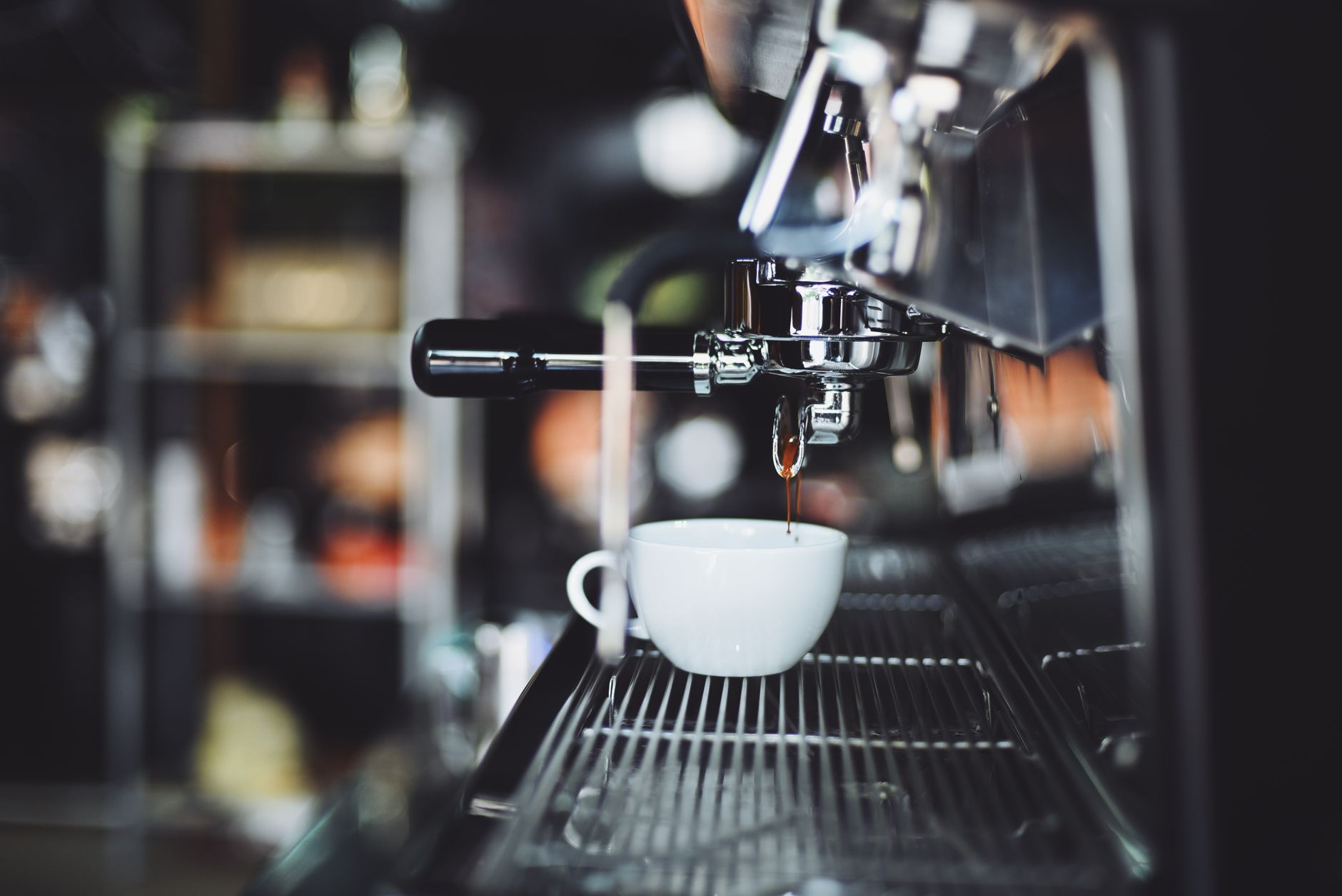
Espresso is a rich, concentrated coffee beloved by many for its bold flavor and invigorating qualities. Brewing a perfect espresso can seem daunting, but with the right techniques and equipment, you can create café-quality shots in the comfort of your home. This guide will walk you through the essentials of brewing espresso, along with valuable tips and common mistakes to avoid.
Whether you are a coffee connoisseur or a casual drinker, mastering espresso can expand your coffee experience beyond ordinary brewed coffee. Read on to discover everything you need to know, from selecting beans to operating your espresso machine effectively.
How to Brew Espresso?
Brewing espresso involves forcing hot water through finely-ground coffee under high pressure, resulting in an intense flavor and creamy texture. To brew espresso successfully, you’ll need fresh coffee beans, a grinder, an espresso machine, and some basic knowledge of the process.
Equipment Needed for Brewing Espresso
Before diving into the brewing process, having the right equipment is crucial. Here’s a list of what you’ll need:
- Espresso Machine: This is the key device that brews espresso by forcing water through the coffee.
- Coffee Grinder: A burr grinder is preferred for achieving a consistent grind size, which is vital for espresso.
- Fresh Coffee Beans: Look for beans labeled as espresso or finely roasted for an optimal espresso flavor.
- Scale: To measure your coffee and water accurately.
- Portafilter: This holds the coffee grounds and locks into the espresso machine.
- Tamper: Used to compress the coffee grounds evenly.
- Espresso Cups: Small cups designed to hold a shot of espresso.
- Timer: For timing your extraction to achieve the best flavor.
Understanding Coffee Beans and Grind Size
The choice of coffee beans significantly influences the flavor of your espresso. Here are key points to consider:
- Type of Beans: Arabica beans are sweeter and more complex, while Robusta beans give a more robust, bitter flavor and more crema.
- Roast Level: Dark roasts are more common for espresso due to their bold flavors and oils, but lighter roasts can yield interesting and vibrant profiles.
- Grind Size: For espresso, the grind must be fine, similar to table salt. An inconsistent grind can lead to over-extraction (bitter) or under-extraction (sour) flavors.
How to Brew Espresso: Step-by-Step Guide
Step 1: Measure Coffee
- Start by measuring 18-20 grams of fresh coffee beans for a double shot of espresso. Adjust the amount if you prefer a different strength.
Step 2: Grind Coffee
- Using a burr grinder, grind your coffee beans to a fine consistency. Aim for a texture similar to granulated sugar.
Step 3: Prepare the Portafilter
- Ensure your portafilter is clean and dry. Place the ground coffee into the portafilter basket.
- Level off the grounds using your finger or a straight edge.
Step 4: Tamp the Coffee
- Using the tamper, apply firm and even pressure to compress the grounds. A good tamp creates a uniform surface for water to flow through.
- Aim for about 30 pounds of pressure; this helps avoid channeling, which can lead to uneven extraction.
Step 5: Insert the Portafilter
- Lock the portafilter into the espresso machine. Ensure it is secure and properly aligned.
Step 6: Start the Extraction
- Begin the extraction process immediately after locking the portafilter in place.
- Monitor the extraction time; ideal shot timing is typically between 25 to 30 seconds for a double shot.
Step 7: Observe the Espresso
- Watch for the ‘bloom’ phase, where the color changes and crema begins to form. The first drops should appear after a few seconds.
- Let the shot run until you see a lighter color starting to emerge in the flow, indicating the end of extraction.
Step 8: Serve
- Pour the espresso into a pre-warmed cup and enjoy immediately for the best flavor.
Common Mistakes to Avoid When Brewing Espresso
Even with all the right tools, it’s easy to make mistakes when brewing espresso. Here are some common pitfalls and how to avoid them:
- Inconsistent Grind Size: Always use a burr grinder for a uniform grind. Uneven grounds can lead to poor extraction.
- Incorrect Pressure: If the tamp is too light, the water will flow too quickly, causing under-extraction. Too much pressure can cause over-extraction.
- Poor Water Quality: Use filtered water to avoid introducing unwanted flavors or minerals that can alter the taste of the espresso.
- Temperature Issues: Ensure the brewing temperature is between 190°F and 205°F. Too hot can scorch the coffee, while too cold can result in sour flavors.
Helpful Tips for Brewing the Perfect Espresso
To enhance your espresso brewing skills, consider the following tips:
- Warm your espresso cups: Pre-warm your espresso cups to maintain the temperature of the drink.
- Experiment with blends: Try different bean blends or origins to find your preferred flavor profile.
- Keep your equipment clean: Regular cleaning helps maintain flavor and equipment longevity.
- Track your adjustments: Make notes of your brew times and coffee amounts to replicate or tweak your method as needed.
Exploring Variations on Espresso
Once you’ve mastered brewing espresso, explore variations to add to your coffee repertoire:
- Ristretto: A shorter shot of espresso that uses the same amount of coffee but less water, resulting in a sweeter, more concentrated flavor.
- Lungo: This is a longer extraction using the same amount of coffee but more water for a milder taste.
- Americano: A diluted espresso drink made by adding hot water to espresso for a milder flavor.
- Macchiato: A shot of espresso “stained” with a small amount of frothed milk or foam.
- Mocha: A fusion of espresso, steamed milk, and chocolate syrup, topped with whipped cream. Perfect for those who enjoy a sweeter beverage.
Storage and Freshness of Espresso Beans
To maintain the quality and flavor of your espresso beans, follow these storage tips:
- Store in an airtight container: Use a dark, opaque container to protect the beans from light and air.
- Keep away from moisture and heat: Store in a cool, dry place, ideally in a pantry.
- Avoid the refrigerator or freezer: Temperature fluctuations can lead to moisture buildup, affecting flavor.
Conclusion
Brewing espresso at home opens up a world of rich flavors and delightful coffee experiences. With the right equipment, quality ingredients, and practice, you can create delicious espresso that rivals your favorite café. Remember to experiment with different beans and techniques, and enjoy the process of fine-tuning your craft.
Ready to dive deeper into your coffee journey? Explore how to make a delicious Hazelnut Shaken Espresso or try an Espresso con Panna. Each offers a unique twist on the classic espresso experience.