
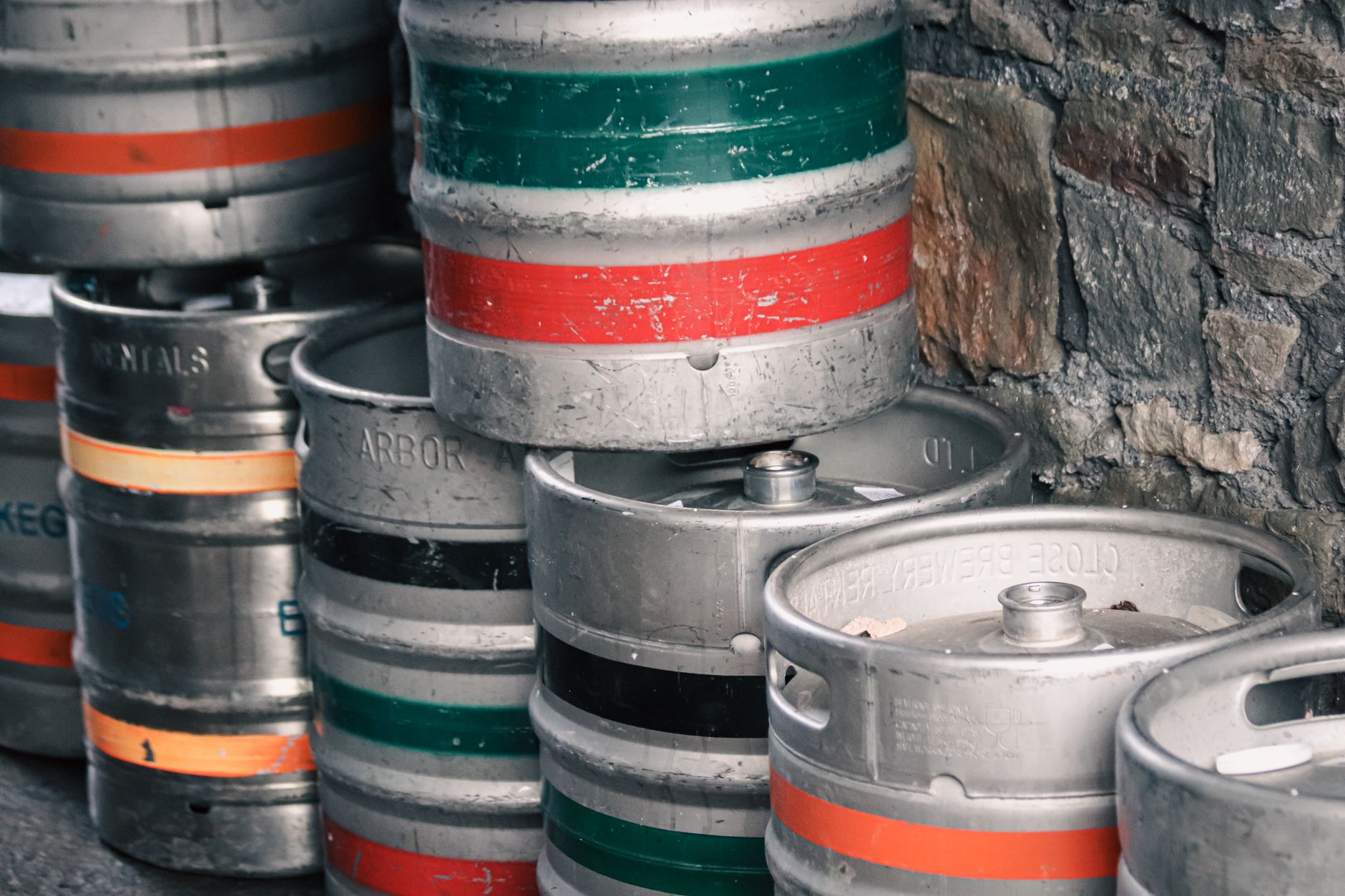
When it comes to throwing a party or simply enjoying a cold drink at home, kegs of beer are a popular choice. They allow you to serve fresh draft beer without the need for multiple cans or bottles. However, one common question arises: how many cans of beer are there in a keg? Understanding this can greatly assist with planning your next gathering.
This article will delve into the different types of kegs, the conversion between keg sizes and cans, and offer safety tips, benefits of using kegs, and practical tips for serving beer from a keg.
How Many Cans Of Beer Are In A Keg?
The answer to how many cans of beer are in a keg depends on the size of the keg and the size of the cans. Most commonly, beer is served in either 12-ounce cans or larger 16-ounce cans. A standard half-barrel keg, which is the most popular size used in bars and restaurants, typically holds 15.5 gallons of beer.
To break it down:
- A half-barrel keg contains approximately 1984 ounces of beer.
- If using 12-ounce cans, you can get about 165 cans from a half-barrel keg (1984 ÷ 12 = 165.33).
- If using 16-ounce cans, a half-barrel keg yields about 124 cans (1984 ÷ 16 = 124).
Understanding these details can help you plan accordingly for events without running short on drinks.
Understanding Keg Sizes
Not all kegs are created equal. Here’s a breakdown of the most common keg sizes and the number of servings you can expect from each:
| Keg Size | Volume (Gallons) | Volume (Ounces) | 12 oz. Servings | 16 oz. Servings |
|---|---|---|---|---|
| Half-Barrel | 15.5 | 1984 | 165 | 124 |
| Quarter-Barrel (Pony) | 7.75 | 992 | 82 | 62 |
| Sixth-Barrel | 5.16 | 661 | 55 | 41 |
| Mini Keg | 1.32 | 169 | 14 | 10 |
These measurements help determine how much beer you will need, especially for gatherings, parties, or events. Don’t forget to consider the variety of beers to cater to different tastes!
Benefits of Using Kegs
There are several advantages to opting for kegs instead of individual cans or bottles:
- Freshness: Draft beer often tastes fresher than bottled or canned due to less exposure to light and air.
- Convenience: One keg can replace numerous cans, simplifying storage and serving.
- Cost-Effectiveness: Purchasing beer in bulk can be more economical than buying individual cans.
- Environmental Impact: Using a keg reduces packaging waste associated with individual cans or bottles.
All these benefits contribute to an enhanced drinking experience, whether for casual home consumption or major celebrations.
Safety Tips for Serving Beer From a Keg
While serving beer from a keg is straightforward, safety and hygiene shouldn’t be overlooked. Here are some key points to keep in mind:
- Storage Temperature: Keep the keg at a consistent temperature, ideally between 34°F and 38°F, to maintain the beer’s taste and prevent spoilage.
- Clean Equipment: Make sure your tapping system is clean and sanitized before use to avoid contamination and off-flavors.
- Drink Responsibly: Encourage guests to drink responsibly and know their limits to ensure a safe environment.
- Serve with Care: When tapping the keg, do it slowly to minimize foam and avoid spillage.
Practical Tips for Serving Beer from a Keg
For an enjoyable keg experience, here are some practical tips:
- Choose the Right Keg: Know the preferences of your guests. A mix of ales, lagers, or craft beers can keep choices diverse.
- Use a Kegerator or Ice Bath: For larger gatherings, a kegerator is invaluable. If you don’t have one, you can keep the keg cold with a tub filled with ice and water.
- Check the Pressure: If your keg is too foamy, the pressure may be too high. Adjust accordingly to get a better pour.
- Pour Properly: Tilt the glass at an angle as you pour to help reduce excess foam. Once partway full, straighten the glass and allow foam to form slightly, which releases the beer’s aroma.
By following these tips, you’ll ensure a smooth beer-serving experience.
Common Mistakes When Using a Keg
While using a keg can be easy, there are common pitfalls to avoid:
- Over-Pouring: This can cause excessive foam and lead to frustration. Proper pouring techniques can mitigate this.
- Inadequate Cooling: Serving warm beer can impact the flavor. Always ensure your keg is properly chilled.
- Ignoring Expiration Dates: Be mindful of the beer’s shelf life. Certain beers, especially hoppy styles, have shorter freshness windows.
- Neglecting Cleanliness: Failing to clean the dispensing equipment can lead to flavors being affected and potential health issues.
What to Do with Leftover Keg Beer
If you have leftover beer in your keg, consider the following storage possibilities:
- Extended Storage: Kegs can sometimes keep beer for weeks if stored correctly. Monitor the taste and freshness.
- Friends and Family: Don’t hesitate to share your leftover keg with friends or family. It’s a great way to avoid waste.
- Transfer to Smaller Containers: Use a siphon to transfer the beer into clean bottles or growlers for storage in the fridge.
- Turn It into Beer Cocktails: Mix leftover keg beer with other ingredients to create unique cocktails.
Knowing how to manage leftover beer can help avoid waste while still enjoying a good drink.
Mixing and Pairing Beer with Food
Kegs are a fantastic way to offer beer at meals or parties, but pairing them properly with food will enhance the experience. Here are a few tips on how to pair different types of beer with food:
- Lager: Pairs well with lighter fare such as salads, seafood, and grilled chicken.
- Ale: Works beautifully with rich foods, including barbecue, red meats, and hearty stews.
- Stout: Ideal for desserts or rich dishes like chocolate cake or creamy cheeses.
- IPAs: Their bitterness contrasts nicely with spicy foods, making them great with Indian or Thai dishes.
Experimenting with food and beer pairings can transform your keg party from simple to sophisticated.
Conclusion and Next Steps
Understanding how many cans of beer are in a keg is a vital part of planning your next gathering. With all the information covered, you can confidently choose the right keg size, serve beer appropriately, and enjoy the many benefits of using kegs.
To expand your beverage repertoire, consider exploring recipes for brewing your own beer, like a hazy IPA recipe or a rich stout recipe.