
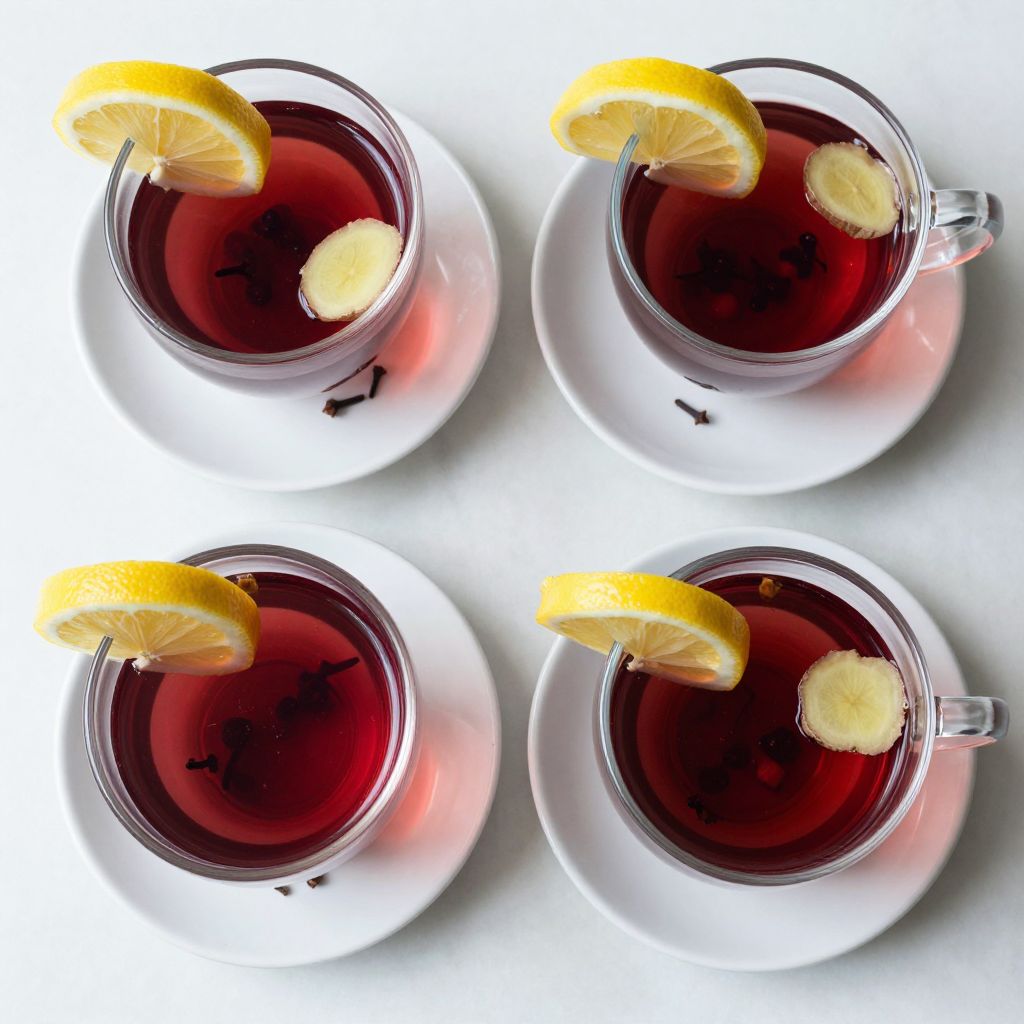
There’s something almost magical about steeping a handful of dark berries and watching the hot water transform into a deep ruby liquid that smells like autumn and wellness combined.
Elderberry tea has been a trusted remedy for centuries, and once you taste it, you’ll understand why so many cultures swear by it. This recipe is straightforward enough for a weeknight but feels intentional enough to serve guests, combining tart berries with warming spices that make you feel like you’re actually doing something good for your body.
What makes this tea special is its natural tartness balanced with subtle sweetness, its rich color, and the fact that you can adjust the strength and flavor profile to suit your mood. Whether you’re fighting off a cold, want a cozy afternoon ritual, or simply crave a caffeine-free drink that tastes better than most store-bought options, this recipe delivers.
Why You’ll Love This Recipe
This tea is easy to make, naturally caffeine-free, and packed with flavor that feels sophisticated without fuss.
- Takes under 20 minutes from start to finish with minimal hands-on time.
- Works with fresh or dried elderberries, so you can make it year-round.
- Naturally sweet with a tart edge that needs little to no added sugar.
- Customizable with spices like cinnamon, ginger, or cloves based on your preference.
- Serves as a soothing bedtime drink or an afternoon pick-me-up without caffeine jitters.
My Experience Making This Recipe
I first made elderberry tea on a gray November afternoon when I found a bag of dried elderberries at a farmers’ market. The vendor swore it would help with winter colds, and I was skeptical but curious enough to try.
The moment the berries hit the hot water, the kitchen filled with this warm, slightly woody aroma that immediately felt comforting. Within minutes, the tea was this gorgeous deep purple color, and one sip told me I’d found something worth repeating.
What surprised me most was how naturally balanced it tasted without any bitterness, and how much richer it felt than tea bags from the store. My partner asked for a second cup, and now it’s become our go-to drink when either of us feels a cold coming on or just wants something soothing that tastes like it actually matters.
Recipe Overview
- Recipe Name: Elderberry Tea
- Servings: 2 servings
- Prep Time: 5 minutes
- Cook Time: 10 minutes
- Total Time: 15 minutes
- Course: Beverages
- Cuisine: Herbal/Wellness
- Calories per Serving: 35 calories
Equipment You Will Need
- Small saucepan or kettle
- Fine mesh strainer or tea infuser
- Measuring spoons
- Two mugs or teacups
- Spoon for stirring
- Cutting board and knife (if using fresh berries)
- Optional: electric kettle for precise water temperature
Ingredients for Elderberry Tea
- Dried elderberries: 2 tablespoons (or 3 tablespoons if using fresh)
- Water: 2 cups
- Honey: 1 to 2 teaspoons (adjust to taste)
- Fresh lemon juice: 1/2 teaspoon
- Ground cinnamon: 1/4 teaspoon (optional)
- Fresh ginger: 1 thin slice, about the size of a quarter (optional)
- Whole cloves: 2 cloves (optional)
Ingredient Notes and Substitutions
- Dried elderberries: They concentrate the flavor and store easily, making them reliable year-round. Fresh elderberries work too but are more seasonal and may require slightly more volume.
- Honey: It sweetens gently and adds a floral note that complements the tartness. Maple syrup or agave nectar works as a one-to-one swap with similar results.
- Fresh lemon juice: The acidity brightens the tea and enhances the natural tartness of the berries. Lime juice offers a slightly different citrus angle if you prefer.
- Cinnamon: It adds warmth and pairs naturally with elderberries without overpowering them. Ginger can replace it for a spicier profile, though the warmth will feel different.
- Fresh ginger: It adds subtle heat and supports the wellness angle of the tea. Dried ginger works but use only 1/8 teaspoon since it’s more concentrated.
How to Make Elderberry Tea
Step 1: Measure Your Berries
Pour 2 tablespoons of dried elderberries into your small saucepan or tea infuser. If you’re using fresh berries, lightly crush a few with the back of a spoon to release their juices and help the flavor steep more effectively.
Step 2: Heat the Water
Pour 2 cups of water into your saucepan and bring it to a rolling boil over medium-high heat. Boiling water fully extracts the flavor and beneficial compounds from the berries.
Step 3: Add Optional Spices
If you’re using cinnamon, ginger, or cloves, add them to the saucepan or infuser along with the elderberries. The spices will steep together with the berries, distributing their warmth and flavor evenly throughout the tea.
Step 4: Pour Hot Water Over Berries
Once the water reaches a boil, carefully pour it over the elderberries and spices in your saucepan or infuser. The hot water immediately begins pulling out the color, flavor, and nutrients from the berries.
Step 5: Let It Steep
Allow the tea to steep for 8 to 10 minutes without disturbing it. A longer steep extracts more flavor and deepens the color to a rich purple, while a shorter steep creates a lighter, more delicate taste.
Step 6: Strain the Tea
Pour the steeped tea through a fine mesh strainer into your mugs, leaving the berries and spices behind. Straining removes any fine particles and gives you a clear, smooth cup.
Step 7: Add Honey and Lemon
Stir 1 to 2 teaspoons of honey into each mug, then add 1/4 teaspoon of fresh lemon juice per cup. The honey rounds out the tartness while the lemon brightens the flavor and prevents it from feeling one-dimensional.
Step 8: Taste and Adjust
Take a careful sip and adjust the sweetness or tartness to your preference by adding more honey or lemon juice as needed. Everyone’s palate is different, and this step ensures your tea tastes exactly how you like it.
Pro Tip: If you’re making tea for multiple servings or want to prepare it ahead, steep the berries longer (up to 15 minutes) to create a stronger concentrate, then divide it between mugs and top with hot water to your desired strength.
Tips for the Best Elderberry Tea
- Use fresh, high-quality dried elderberries from a reputable source since their quality directly affects flavor. Store them in an airtight container away from light and heat to preserve potency.
- Don’t skip the lemon juice, even if you think you won’t like it. The acidity is crucial for balancing the berry flavor and preventing the tea from tasting flat.
- Adjust the steeping time based on how strong you want the tea. Eight minutes gives a lighter tea perfect for afternoon sipping, while 12 to 15 minutes creates a bold, deeply flavored cup.
- If you find the berries too tart, add a touch more honey rather than reducing the lemon. The tartness is part of what makes elderberry tea special and beneficial.
- Reuse the berries for a second, weaker brew if you’re being economical. Simply add fresh hot water to the same berries and steep for 5 to 7 minutes.
- Serve the tea warm but not piping hot to better taste the subtle flavor notes that high heat can mask.
Common Mistakes to Avoid
- Using water that isn’t hot enough: Water below boiling temperature won’t extract the full flavor or color from the berries, leaving you with weak, pale tea.
- Steeping too briefly: Rushing through the steeping process robs you of the berry’s full flavor and the visual appeal of that gorgeous deep color.
- Adding too much sweetener at the start: This masks the tea’s natural complexity. Add sweetness gradually so you can appreciate the actual berry flavor.
- Forgetting the citrus: Without lemon or lime juice, the tea can taste muddy and one-dimensional. The acid brightens everything.
- Using old or low-quality dried berries: Berries that have been stored too long or sourced from questionable suppliers taste flat and provide fewer benefits.
Serving Suggestions
Serve this tea hot in a quiet moment when you can actually taste it, or chill it for a refreshing afternoon drink that still feels nourishing. Pair it with simple baked goods or enjoy it on its own as a moment of calm.
- With homemade oatmeal cookies for an afternoon pairing that feels indulgent but wholesome.
- Alongside soft cheese and crackers for a light snack that complements the tea’s tartness.
- Before bed as a caffeine-free ritual that signals your body it’s time to wind down.
- With honey cakes or shortbread cookies for a slightly sweeter accompaniment when you want more richness.
- On its own during a quiet morning or evening when you need a moment to yourself.
Variations to Try
- Spiced Elderberry Tea: Add 1 star anise, 3 whole cloves, and a 2-inch cinnamon stick to create a tea that tastes like autumn in a cup. The spices add complexity and warmth without overpowering the berries.
- Elderberry Ginger Tea: Replace the optional fresh ginger with 1/2 teaspoon of dried ginger and add a pinch of black pepper for a tea that feels more like a wellness tonic. The spice becomes the star while the berries play a supporting role.
- Elderberry Hibiscus Blend: Mix 1 tablespoon dried elderberries with 1 tablespoon dried hibiscus flowers for a tea that’s even tangier and more visually striking. The combination creates a brighter, more floral flavor profile.
- Cold Brew Elderberry Tea: Skip the heating step and steep the berries and spices in cold water overnight in the refrigerator. The result is a smoother, less astringent tea that’s perfect for warm weather.
- Elderberry Mint Tea: Add 5 to 6 fresh mint leaves or 1/2 teaspoon dried mint to the steeping berries for a cooling, refreshing variation. The mint plays against the tartness and adds brightness.
Dietary Adaptations
- Gluten-Free: This recipe is naturally gluten-free since it contains only berries, water, and optional spices. No adaptation needed.
- Dairy-Free: The recipe is already dairy-free and uses honey as the sweetener instead of any dairy products. It’s inherently suitable for a dairy-free lifestyle.
- Vegan: Replace honey with maple syrup or agave nectar in equal amounts to make this tea completely vegan while maintaining the same sweetness and flavor balance.
- Low-Carb/Keto: Use stevia or monk fruit sweetener instead of honey to keep carbs minimal while maintaining sweetness. The swap is one-to-one by volume, though you may need to taste and adjust.
Storage and Reheating
Refrigerator
Store cooled elderberry tea in a sealed glass container for up to 5 days. The flavor remains vibrant and the tea stays fresh when kept cold.
- Reheat individual servings in the microwave for 1 to 2 minutes until warm.
- Pour cold tea over ice for a refreshing drink that works in any season.
Freezer
Freeze the brewed tea in ice cube trays for convenient portioning that lasts up to 3 months. These cubes work well for quickly making cold tea or adding to smoothies.
- Pop out a few cubes and thaw at room temperature or heat gently in a saucepan.
- Freeze in glass containers if you prefer larger portions, leaving a half-inch of headspace since liquids expand when frozen.
Reheating
Reheat stored tea gently in a saucepan over low heat or in the microwave to avoid scorching the flavors. Gentle reheating preserves the delicate berry notes that high heat can diminish.
- Avoid boiling reheated tea, as the tartness can become unpleasantly sharp.
- Add fresh lemon juice and honey after reheating for the brightest flavor.
Nutrition Information
| Nutrient | Amount |
|---|---|
| Calories | 35 |
| Total Fat | 0g |
| Saturated Fat | 0g |
| Carbohydrates | 9g |
| Fiber | 0g |
| Sugar | 8g |
| Protein | 0g |
| Sodium | 2mg |
| Cholesterol | 0mg |
This nutritional information is based on one serving with 1.5 teaspoons of honey and assumes fresh lemon juice with no added sugar. Values may vary slightly based on the exact brand and amount of ingredients used.
Frequently Asked Questions
Can I use fresh elderberries instead of dried?
Yes, fresh elderberries work well and offer a slightly brighter flavor. Use about 3 tablespoons of fresh berries since they contain more water than dried ones, and lightly crush them to release their juices before steeping.
How long does it take to make this tea?
From start to finish, you’re looking at about 15 minutes total. Most of that time is the steeping process, which requires no active work on your part.
Is elderberry tea safe to drink regularly?
Elderberry tea is generally safe for most adults when consumed regularly in moderate amounts. If you’re pregnant, nursing, or taking medications, consult a healthcare provider since elderberries can interact with certain drugs.
Why does my elderberry tea taste bitter?
Bitterness usually comes from steeping too long or using very hot water that’s slightly too hot even after cooling. Try reducing the steep time to 8 minutes and ensure your water has cooled just slightly before pouring.
Can I make a larger batch and store it?
Absolutely, you can multiply this recipe by any amount and store the brewed tea in the refrigerator for up to 5 days. Just steep all the berries together, strain, and store in a sealed container for easy reheating throughout the week.
What’s the best time of day to drink elderberry tea?
Since it’s caffeine-free, you can drink it anytime, though many people prefer it in the evening as a relaxing bedtime ritual or in the afternoon as a restorative break. Some prefer it first thing in the morning as part of a wellness routine.
Where can I buy dried elderberries?
Look for them at health food stores, farmers’ markets, specialty tea shops, or online retailers that focus on herbs and wellness products. Make sure they’re from a reputable source with good reviews and recent harvest dates.
Final Thoughts
Elderberry tea is one of those simple drinks that feels like a small act of self-care every time you make it. The ritual of steeping the berries, watching the color deepen, and then tasting that first warm sip never gets old, no matter how many times you make it.
I’d love for you to try this recipe and see what I mean. Whether you’re looking for a wellness boost, a caffeine-free comfort drink, or just something that tastes genuinely delicious, this tea delivers on all fronts. Make a batch this week and notice how good it feels to sip something you actually made yourself.
If you enjoy herbal teas and want to expand your wellness beverage repertoire, consider exploring other options like lymphatic drainage tea recipe or mullein tea recipe for different flavor profiles and wellness benefits. Each brings its own unique qualities to your tea collection, and trying different blends helps you discover what your body and palate respond to best.
Elderberry Tea
Ingredients
Equipment
Method
- Measure 2 tablespoons dried elderberries into a small saucepan or tea infuser.
- Pour 2 cups water into the saucepan and bring to a rolling boil over medium-high heat.
- Add ground cinnamon, fresh ginger slice, and whole cloves to the boiling water with the elderberries.
- Remove from heat, cover the saucepan or insert the infuser, and let steep for 8 to 10 minutes.
- Strain the tea through a fine mesh strainer into two mugs, discarding the solids.
- Stir 1 to 2 teaspoons honey and 1/4 teaspoon fresh lemon juice into each mug until dissolved.
- Taste and adjust sweetness or tartness by adding more honey or lemon juice as desired.