
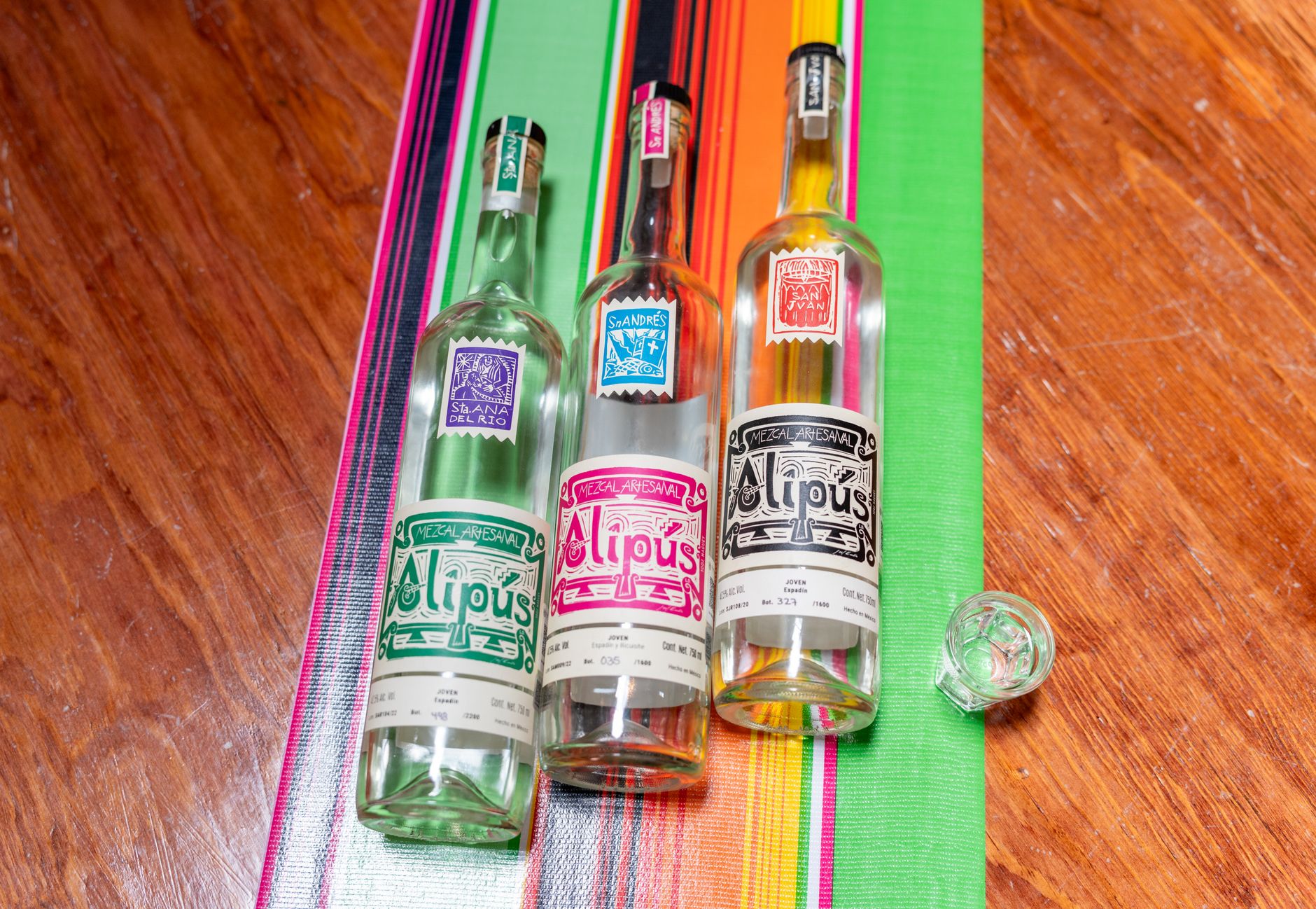
Tequila, a beloved Mexican spirit, is often enjoyed neat, in cocktails, or as part of festive celebrations. The rich flavor of tequila stems from its unique ingredients and production methods. Understanding what tequila is made of enhances appreciation for its complexity and diversity.
This guide will delve into the primary ingredient of tequila, its production process, types of tequila, and tips on how to choose and enjoy this iconic beverage. Whether you’re new to tequila or a seasoned enthusiast, this comprehensive overview offers everything you need to know.
What Is Tequila Made Of?
Tequila is made primarily from the blue agave plant, specifically Agave tequilana. This plant thrives in the volcanic soil of specific regions in Mexico, chiefly the state of Jalisco. The heart of the agave plant, known as the piña, is harvested, cooked, fermented, and distilled to create tequila.
The Agave Plant
Blue agave is a succulent plant that can grow up to 6 feet tall and 12 feet wide. Its long, spiky leaves surround a central core, which resembles a pineapple and is referred to as the piña. Below are some essential facts about the agave plant:
- Growing Conditions: Blue agave needs a specific climate with fertile volcanic soil, adequate sunlight, and minimal rainfall.
- Harvesting: It typically takes around 7 to 10 years for blue agave to mature before its piñas can be harvested.
- Heart of the Plant: The piña contains high levels of sugars, specifically fructans, which are essential for the fermentation process.
The Production Process of Tequila
Tequila production involves several steps, each crucial to developing its distinct flavor profile. Here’s a closer look at the process:
1. Harvesting
Once the blue agave plant reaches maturity, skilled harvesters, known as jimadores, cut away the spiky leaves to reveal the piñas. These are then carefully harvested to avoid damaging the plant.
2. Cooking
The harvested piñas are usually cooked in large ovens, traditionally in stone ovens known as hornos or in modern autoclaves. This cooking process converts the complex sugars into fermentable sugars, which can then be used during fermentation. The cooking time can vary from 24 to 48 hours.
3. Extraction
After cooking, the piñas are crushed to extract the juice, known as aguamiel. This can be done using a mechanical mill or a traditional stone wheel method called a tahona. The goal is to maximize the juice extracted from the piña.
4. Fermentation
The extracted juice is then placed into fermentation tanks, where natural or cultivated yeast is added. This fermentation process typically lasts between three to seven days, during which the sugars from the aguamiel convert into alcohol. The result is a liquid known as “mosto.”
5. Distillation
The mosto undergoes distillation, typically twice, in copper or stainless-steel stills. The first distillation produces a liquid called “ordinario,” which is then distilled a second time to create tequila. The distillation process separates the alcohol from impurities, resulting in a higher alcohol concentration.
6. Aging (if applicable)
Tequila may be aged in wooden barrels for various lengths of time to develop more complex flavors. The aging process contributes to the tequila’s color and taste, producing a rich and nuanced spirit.
Types of Tequila
Tequila is classified into several categories based on its aging process. Understanding these distinctions can help you choose the right one for any occasion:
- Blanco (Silver): Unaged tequila that captures the pure flavor of blue agave. It is typically bottled right after distillation.
- Joven (Gold): A mix of Blanco and aged tequila, often with added caramel coloring for a golden hue.
- Reposado: Aged for a minimum of two months but less than a year in oak barrels. This imparts additional complexity and flavor.
- Añejo: Aged for at least one year but less than three years in small oak barrels, creating a smoother profile with rich flavors.
- Extra Añejo: Aged for more than three years, resulting in a deep, smooth spirit with intense flavors.
Flavor Profile of Tequila
The flavor of tequila can range from sweet and fruity to earthy and spicy, depending on the type and the aging process. Here’s a look at the typical flavor notes associated with various tequila types:
- Blanco: Fresh, bright, and peppery with hints of citrus and herbs.
- Reposado: Smooth and slightly woody with notes of vanilla, caramel, and spice.
- Añejo: Rich and rounded, featuring flavors of oak, chocolate, and dried fruit.
- Extra Añejo: Intense and luxurious, often exhibiting flavors of tobacco, leather, and dark fruits.
Choosing and Enjoying Tequila
With numerous options available, it’s important to understand how to select and enjoy tequila. Here are some tips:
1. Check the Label
Ensure the label indicates “100% agave,” which guarantees that the tequila is made entirely from blue agave and not mixed with cheaper sugars.
2. Taste Various Types
Explore different types of tequila to discover your preferences. Tasting flights at bars or tequila tastings can help you learn about various brands and styles.
3. Sip or Mix
While tequila can be enjoyed neat, it pairs well in cocktails such as margaritas or tequila sodas. Experiment with different mixers to enhance your experience.
Common Mistakes When Enjoying Tequila
To fully appreciate tequila, avoid these common mistakes:
- Mixing with Sugary Juices: High-sugar mixers can mask tequila’s flavors. Opt for fresh citrus juices or soda water instead.
- Chilling Tequila: Chilling can mute flavors; consider serving it at a slightly cool to room temperature.
- Shots with Salt and Lime: While this is popular, savoring tequila neat allows you to experience its full character.
Fun Facts About Tequila
Here are a few intriguing tidbits about tequila:
- Origin: Tequila originated in the region surrounding the town of Tequila in Mexico, which is why it bears its name.
- Protected Status: Tequila is a designated protected designation of origin (PDO), meaning true tequila can only be made in specific regions of Mexico.
- Agave Versatility: Besides tequila, blue agave is used to make various products, including agave syrup and mezcal.
Storage Tips for Tequila
Properly storing tequila can help maintain its quality:
- Avoid Sunlight: Store tequila in a cool, dark place away from direct sunlight to prevent degradation.
- Seal Tightly: Ensure bottles are tightly sealed to prevent oxidation and evaporation.
- Temperature: Store at a consistent temperature; avoid extreme temperature changes.
Mixing with Tequila: Cocktail Recipes
Tequila is a versatile spirit and lends itself to many cocktail recipes. Below are a couple of popular tequila cocktails you might enjoy:
Flavored Margarita
This vibrant cocktail combines the freshness of fruits with high-quality tequila for a refreshing drink.
- Ingredients:
- 2 oz tequila
- 1 oz lime juice
- 1 oz orange liqueur
- Fresh fruit (strawberry, mango) for flavor
- Salt for rimming the glass (optional)
Tequila Soda
A simple, refreshing cocktail that highlights the tequila without overwhelming flavors.
- Ingredients:
- 2 oz tequila
- Club soda
- Lime wedge for garnish
Cocktail Mixing Guidelines
Creating cocktails with tequila requires attention to balance and flavor integration:
- Start with chilled glasses to keep drinks refreshing.
- Use fresh ingredients whenever possible for the best flavor.
- Adjust sweetness to your taste; add syrups or juices gradually.
- Garnish cocktails thoughtfully with citrus or herbs to enhance the aroma and visual appeal.
Tequila’s distinct flavor comes from the unique blue agave plant and the careful processes employed during production. With an array of options available, understanding tequila enhances your appreciation and enjoyment of this spirited beverage. Whether sipped neat or mixed into a refreshing cocktail, tequila is a versatile drink that celebrates its vibrant Mexican heritage.
For exciting cocktail ideas, consider trying a flavored margarita for a fruity twist or a classic tequila soda for a light and refreshing sip. Explore these recipes and more to elevate your cocktail game!
Looking for more culinary inspiration? Discover how to make a delicious flavored margarita or a classic tequila soda.