
Picture yourself on a hot afternoon, reaching for a glass of something tart, floral, and impossibly refreshing—that’s cold hibiscus tea in a nutshell. This drink has been a staple in Caribbean, Mexican, and African households for generations, and once you taste it, you’ll understand why.
The beauty of cold hibiscus tea lies in its simplicity: dried hibiscus flowers steep into a jewel-toned brew that tastes like summer distilled into a glass. It’s naturally caffeine-free, packed with a tart cranberry-like flavor, and takes just minutes to make, making it perfect for busy days when you crave something special that doesn’t require much fuss.
Why You’ll Love This Recipe
Cold hibiscus tea delivers big flavor with virtually no effort, and it’s a conversation starter every single time you serve it.
- Naturally caffeine-free and packed with vitamin C from the hibiscus flowers themselves
- Stunningly beautiful deep red color that looks elegant in any glass
- Tart, floral flavor profile that’s refreshing without being cloying or overly sweet
- Makes a large batch, so you can enjoy it throughout the week
- Works as a standalone drink, a mixer for cocktails, or a base for creative variations
My Experience Making This Recipe
The first time I made hibiscus tea, I was skeptical about dried flowers in hot water actually tasting good. Within minutes, the water transformed into this stunning crimson liquid that smelled like tart berries and flowers combined.
I poured it over ice, took a sip, and was completely hooked. The tartness reminded me of cranberry juice, but lighter and more floral, with none of the heaviness.
My guests loved it so much that I’ve made it at nearly every summer gathering since. It’s become my go-to for anyone looking for something non-alcoholic that feels special, and people always ask for the recipe.
Recipe Overview
- Recipe Name: Cold Hibiscus Tea
- Servings: 6 servings
- Prep Time: 5 minutes
- Cook Time: 15 minutes
- Total Time: 20 minutes, plus chilling
- Course: Beverage
- Cuisine: International
- Calories per Serving: 15
Equipment You Will Need
- Large pot or saucepan (at least 2-quart capacity)
- Wooden spoon for stirring
- Fine-mesh strainer or cheesecloth
- Large pitcher for storing the tea
- Measuring spoons and cups
- Glasses for serving
Ingredients for Cold Hibiscus Tea
- Dried hibiscus flowers: 1 cup
- Water: 6 cups
- Sugar: 1/2 cup (adjust to taste)
- Fresh lime juice: 2 tablespoons (optional but recommended)
- Fresh mint leaves: 6-8 leaves for garnish (optional)
Ingredient Notes and Substitutions
- Dried hibiscus flowers: These flowers provide the signature tart flavor and deep red color. You can substitute with dried rose hips for a milder taste, though the flavor will be less bright.
- Sugar: Granulated white sugar dissolves quickly and keeps the drink clear. You can use honey or agave nectar instead, though honey will add its own floral notes that may compete with the hibiscus.
- Fresh lime juice: Lime brightens the hibiscus tartness and adds complexity. Lemon juice works as a substitute with a slightly sharper edge, and you can omit it entirely if you prefer the pure hibiscus flavor.
- Water: Filtered water makes the clearest tea, but tap water works fine. Avoid distilled water, which can taste flat.
How to Make Cold Hibiscus Tea
Step 1: Measure and Rinse Your Hibiscus Flowers
Measure out 1 cup of dried hibiscus flowers and place them in a fine-mesh strainer. Rinse them briefly under cool running water to remove any dust or debris that may have accumulated during storage.
Step 2: Bring Water to a Boil
Pour 6 cups of water into a large pot and bring it to a rolling boil over high heat. You want the water hot enough to fully extract the color and flavor from the flowers, which requires a full boil.
Step 3: Add Hibiscus Flowers to Hot Water
Once the water is boiling, carefully add the rinsed hibiscus flowers directly to the pot. The flowers will immediately begin releasing their color into the water, creating that gorgeous deep red hue within seconds.
Step 4: Let the Tea Steep
Remove the pot from heat and let the hibiscus flowers steep in the hot water for 10 to 15 minutes. A longer steep time extracts more flavor and produces a deeper color, so don’t rush this step.
Step 5: Strain Out the Flowers
Place a fine-mesh strainer over a large pitcher and carefully pour the tea through it, catching the flowers in the strainer. Press gently on the flowers with the back of a spoon to extract any remaining liquid, then discard the spent flowers.
Step 6: Add Sugar While the Tea is Warm
Add 1/2 cup of sugar to the warm hibiscus tea and stir until it dissolves completely. The warmth of the tea helps the sugar dissolve smoothly without any grainy texture remaining in the final drink.
Step 7: Add Fresh Lime Juice
Squeeze fresh lime juice directly into the tea (about 2 tablespoons) and stir to combine. The lime enhances the natural tartness of the hibiscus and adds a bright note that makes the drink feel more balanced.
Step 8: Chill the Tea Completely
Allow the hibiscus tea to cool to room temperature on the counter, then transfer it to the refrigerator and chill for at least 2 hours before serving. Chilling develops the flavors further and ensures you have a properly cold drink ready to enjoy.
Pro Tip: Make your hibiscus tea the night before serving so it has plenty of time to chill and the flavors fully develop.
Tips for the Best Cold Hibiscus Tea
- Use fresh dried hibiscus flowers that you’ve purchased within the last six months for the brightest color and strongest flavor. Old flowers produce a duller, weaker brew.
- Don’t over-steep the tea beyond 15 minutes, or it can become bitter and overly tannic in flavor. A 10 to 12-minute steep usually hits the sweet spot.
- Taste your tea before serving and adjust the sweetness to your preference. Some people prefer it less sweet, and you can always add more sugar if needed.
- Serve the tea over plenty of ice to keep it cold and refreshing on hot days. The ice also slightly dilutes the tea as it melts, which some people prefer.
- Make a large batch and store it in the refrigerator for up to one week so you have cold tea ready whenever you want it.
Common Mistakes to Avoid
- Using boiling water that’s too hot for too long can over-extract the flowers and create a harsh, bitter flavor. Stick to the 10 to 15-minute range and trust the process.
- Forgetting to strain out all the flower particles creates a gritty texture in the finished tea. Take your time with the straining step to ensure a smooth, clean drink.
- Adding sugar after the tea cools down can result in undissolved sugar crystals at the bottom of your pitcher. Always dissolve sugar while the tea is warm.
- Skipping the lime juice results in a one-dimensional drink that tastes purely floral without balance. The citrus brings out the best in the hibiscus and adds complexity.
Serving Suggestions
Cold hibiscus tea shines on its own, but it also pairs beautifully with light snacks and other beverages. Serve it over ice in tall glasses with fresh mint or a lime wheel for visual appeal.
- Pour it over ice with a splash of sparkling water for a lighter, more refreshing version
- Pair it with spicy foods like Mexican tacos or Caribbean curries to balance the heat with tartness
- Mix it with rum or vodka to create a sophisticated cocktail for adult gatherings
- Serve it alongside light desserts like fruit sorbet or coconut cake that won’t compete with the floral notes
- Offer it at brunches or afternoon gatherings as a non-alcoholic option everyone can enjoy
Variations to Try
- Spiced Hibiscus Tea: Add 2 cinnamon sticks, 4 cloves, and 2 star anise to the water before adding the hibiscus flowers. These warm spices complement the tartness beautifully and add depth.
- Ginger Hibiscus Tea: Steep 2 tablespoons of fresh grated ginger along with the hibiscus flowers for a spicy, warming kick. Ginger adds complexity and reduces any floral sweetness.
- Hibiscus-Pomegranate Blend: Replace half the water with unsweetened pomegranate juice and reduce the sugar to 1/4 cup. This creates a deeper, more fruity version with even more tartness.
- Tropical Hibiscus Tea: Add 1/4 cup of mango or passion fruit puree after straining and chilling. This transforms the drink into something more fruity and dessert-like while maintaining the floral notes.
Dietary Adaptations
- Gluten-Free: Hibiscus tea is naturally gluten-free as long as you use pure dried flowers with no additives. Always check the package to confirm no cross-contamination occurred during processing.
- Dairy-Free: This recipe contains no dairy products and is completely dairy-free as written. No modifications needed.
- Vegan: Cold hibiscus tea is naturally vegan since it uses only plant-based ingredients. The sugar dissolves into the tea, so no animal products are involved.
- Low-Carb/Keto: Use a sugar substitute like erythritol or stevia instead of regular sugar to keep the carb count minimal. The tea will taste slightly different but still refreshing and flavorful.
Storage and Reheating
Refrigerator
Cold hibiscus tea keeps well in the refrigerator for up to one week in an airtight pitcher or container. The flavor actually improves slightly as the tea sits, and the color remains vibrant.
- Store in a glass pitcher with a tight-fitting lid to prevent odors from the fridge from affecting the tea
- Keep away from strong-smelling foods like onions or garlic
Freezer
You can freeze hibiscus tea for up to three months in ice cube trays, which is perfect for creating frozen drinks later. Pour the tea into ice cube trays, freeze until solid, then pop the cubes into freezer bags for long-term storage.
- Thaw frozen tea cubes by adding them to a glass with fresh water or sparkling water
- Use frozen cubes to chill drinks without diluting them as quickly as regular ice
Reheating
Cold hibiscus tea doesn’t need reheating since it’s meant to be served cold, but you can gently warm it if you prefer a hot version. Pour the chilled tea into a saucepan and warm it over low heat without boiling, which takes about 5 minutes.
- Taste after warming and adjust sweetness if needed, as heat can slightly change the flavor perception
Nutrition Information
| Nutrient | Amount |
|---|---|
| Calories | 15 |
| Total Fat | 0g |
| Saturated Fat | 0g |
| Carbohydrates | 4g |
| Fiber | 0g |
| Sugar | 4g |
| Protein | 0g |
| Sodium | 5mg |
| Cholesterol | 0mg |
These values are based on the recipe as written with 1/2 cup of sugar divided among 6 servings. Actual nutritional content may vary slightly based on the specific brands and sources of your ingredients.
Frequently Asked Questions
Can I use fresh hibiscus flowers instead of dried ones?
Fresh hibiscus flowers are more delicate and require gentler handling than dried flowers. You’ll need about three times the amount of fresh flowers, and they steep faster, so reduce the steeping time to 5 to 7 minutes to avoid bitterness.
How much sugar should I use if I prefer a less sweet drink?
Start with 1/4 cup of sugar instead of 1/2 cup and taste the tea after it’s chilled. You can always add more sugar later, but you can’t remove it once it’s dissolved.
Is hibiscus tea safe for children and pregnant people?
Hibiscus tea is generally safe for most children in moderation as a refreshing beverage. Pregnant people should consult their healthcare provider before consuming hibiscus tea regularly, as some studies suggest it may affect hormones in large quantities.
Why does my hibiscus tea taste bitter?
Bitter tea usually results from over-steeping the flowers beyond 15 minutes or using water that’s not quite hot enough to extract properly. Reduce the steeping time next time, ensure your water reaches a full boil, and always taste your tea to check the flavor before serving.
Can I reuse the hibiscus flowers to make a second batch of tea?
Hibiscus flowers can be steeped a second time, but the resulting tea will be much weaker in flavor and color since most of the goodness extracted during the first steep. If you reuse them, steep them for a full 20 minutes and expect a lighter drink.
Final Thoughts
Cold hibiscus tea proves that the simplest recipes often deliver the most satisfaction. With just a handful of ingredients and minimal hands-on time, you create something beautiful, refreshing, and genuinely impressive to serve to others.
Make a batch this week and discover why this drink has been cherished across cultures for generations. Your summer afternoons will taste infinitely better with a cold glass of this jewel-toned beverage waiting in your refrigerator.
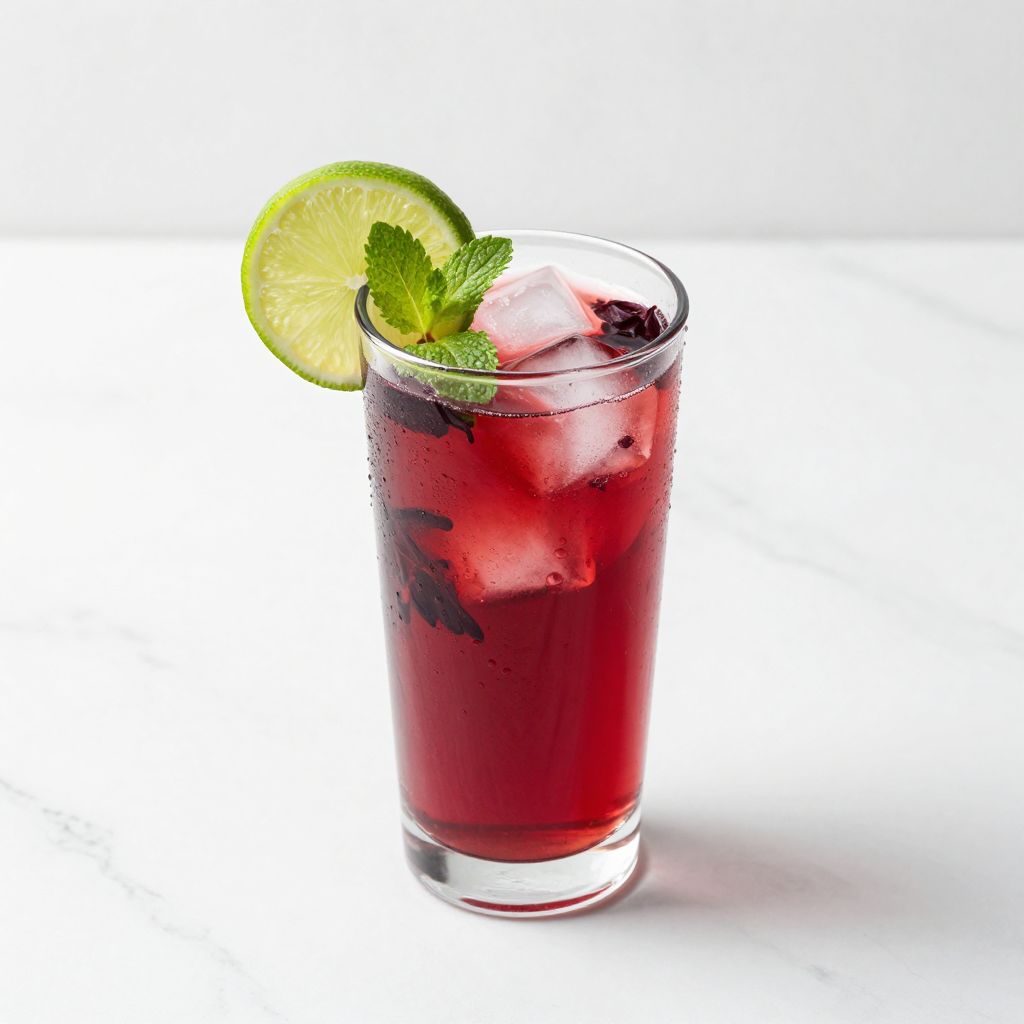
Cold Hibiscus Tea
Ingredients
Equipment
Method
- Measure out 1 cup of dried hibiscus flowers and place them in a fine-mesh strainer. Rinse them briefly under cool running water to remove any dust or debris.
- Pour 6 cups of water into a large pot and bring it to a rolling boil over high heat.
- Once the water is boiling, carefully add the rinsed hibiscus flowers directly to the pot. The flowers will immediately begin releasing their color into the water.
- Remove the pot from heat and let the hibiscus flowers steep in the hot water for 10 to 15 minutes.
- Place a fine-mesh strainer over a large pitcher and carefully pour the tea through it, catching the flowers in the strainer. Press gently on the flowers with the back of a spoon to extract any remaining liquid, then discard the spent flowers.
- Add 1/2 cup of sugar to the warm hibiscus tea and stir until it dissolves completely.
- Squeeze fresh lime juice (about 2 tablespoons) directly into the tea and stir to combine.
- Allow the hibiscus tea to cool to room temperature on the counter, then transfer it to the refrigerator and chill for at least 2 hours before serving.
- Serve over ice in tall glasses with fresh mint or a lime wheel for garnish.