
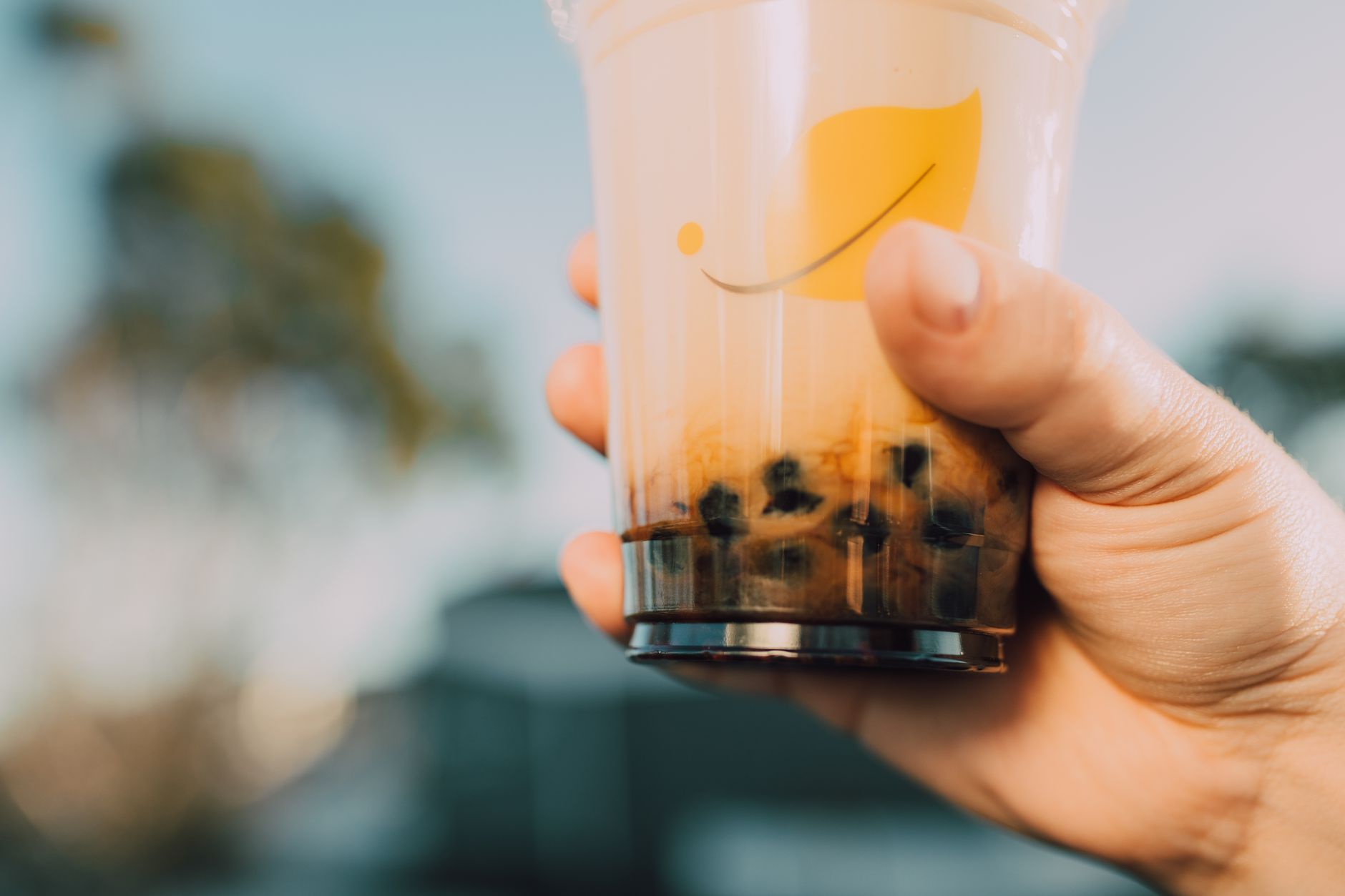
Boba, also known as tapioca pearls, has taken the culinary world by storm, becoming a beloved ingredient in various drinks and desserts. Originating in Taiwan, these chewy pearls are made from tapioca starch, giving them a unique texture that enhances a drink’s experience. This guide will explore what boba is, its variations, how to prepare it, and some helpful tips for incorporating it into your beverages and desserts.
Whether you’re new to boba or a seasoned fan, understanding its composition, preparation techniques, and the different types can elevate your culinary endeavors. Join us as we delve into everything you need to know about boba.
What Is Boba?
Boba refers to chewy tapioca pearls that are traditionally used in bubble tea, a drink that originated from Taiwan in the 1980s. Made from cassava root, these pearls come in varying sizes and colors, offering a delightful contrast to the sweet, creamy tea they often accompany. Boba can also refer to the drinks that contain these pearls, including milk tea, fruit tea, and smoothies.
The History of Boba
Bubble tea emerged in the 1980s in Taiwan, combining sweet tea with milk and, eventually, the chewy tapioca pearls we know today. The original iterations had black tapioca pearls, which led to the popularization of the term “boba,” derived from the Mandarin word for “big.” As bubble tea gained international popularity by the 1990s and early 2000s, different flavors, toppings, and variations emerged, resulting in the diverse bubble tea landscape we see today.
Types of Boba
While traditional boba refers specifically to the black tapioca pearls, there are several types that vary in flavor, texture, and color:
- Tapioca Pearls: These are the classic black pearls made from tapioca starch. They have a chewy texture that pairs well with a variety of drinks.
- Fruit Flavored Boba: These pearls are infused with fruit flavors such as strawberry, mango, or green apple. They add a burst of flavor and a slight sweetness to beverages.
- Popping Boba: Unlike traditional boba, popping boba is filled with fruit juice and bursts when bitten. They come in various flavors, offering a refreshing surprise in each sip.
- Jelly Boba: Made from agar, jelly boba offers a different texture compared to tapioca pearls. They can be flavored and are often colorful, fitting well with fruity drinks.
- Mini Boba: These smaller tapioca pearls provide a similar chewy experience but in a more compact form, allowing for a different drinking sensation.
How to Prepare Boba
Preparing boba requires a simple process, but it is essential to follow each step closely for the best results. Here’s how to cook traditional black tapioca pearls:
Ingredients
- 1 cup of dried black tapioca pearls
- 10 cups of water (for boiling)
- Sugar or syrup (optional, for sweetness)
Equipment
- Large pot
- Stirring spoon
- Strainer
- Bowl for soaking
Instructions
- Boil the water in a large pot. Use around 10 cups of water for 1 cup of tapioca pearls to prevent them from sticking together.
- Once the water is boiling, add the dried tapioca pearls to the pot.
- Stir the pearls gently to prevent them from clumping together. Let them cook for about 30 minutes, adjusting the heat to maintain a gentle boil.
- After 30 minutes, turn off the heat, cover the pot, and let the pearls sit for an additional 30 minutes. This resting period allows them to achieve the perfect texture.
- After resting, use a strainer to drain the pearls and rinse them briefly under cold water to stop the cooking process.
- If desired, toss the cooked pearls with a bit of sugar or syrup to add sweetness and enhance their flavor.
- Store the boba in a bowl covered with plastic wrap or a syrup until you are ready to use them, as they are best enjoyed fresh.
Common Mistakes in Preparing Boba
- Insufficient Cooking Time: Not cooking the pearls long enough can result in a hard, chewy texture that doesn’t have the desired bounce.
- Overcooking: If cooked for too long, the pearls can become mushy and lose their chewy characteristic.
- Not Rinsing: Failing to rinse the cooked boba can cause them to stick together.
Storage and Reheating
Cooked boba is best used within a few hours for optimum texture. If you need to store it, place the boba in a bowl with a little bit of syrup or sugar water to avoid sticking. Refrigerate, and use it within 24 hours. To reheat, place them in hot water for a few minutes until heated through.
Using Boba in Recipes
Boba is incredibly versatile; it can be incorporated into various recipes aside from drinks. Here are some uses:
Boba Milk Tea Recipe
This classic drink combines brewed tea, milk, sweetener, and boba for a refreshing treat. Here’s how to make it:
Ingredients
- 1 cup cooked boba
- 1 cup of milk (dairy or non-dairy)
- 1 cup of brewed tea (black or green)
- Sweetener to taste (honey, sugar, or flavored syrups)
- Ice (optional)
Instructions
- Prepare your cooked boba and set aside.
- Brew your tea according to the instructions, keeping in mind the type of tea you choose.
- In a glass, combine the cooked boba and add the brewed tea.
- Add milk and sweetener to taste. Stir to combine.
- If desired, add ice for a chilled beverage.
- Enjoy your refreshing boba milk tea!
Boba Smoothie Recipe
Boba works wonderfully in smoothies, adding both texture and fun. Here’s a simple recipe to try:
Ingredients
- 1 cup of cooked boba
- 1 frozen banana
- 1 cup of fruit of choice (mango, berries, or pineapple)
- 1 cup of milk or yogurt (dairy or non-dairy)
- 1-2 tablespoons honey or maple syrup
Instructions
- Place all ingredients (except boba) in a blender and blend until smooth.
- In a glass, add cooked boba at the bottom.
- Pour the smoothie mixture over the boba.
- Stir gently and enjoy!
Where to Buy Boba
When looking to buy boba, consider the following options:
- Asian Grocery Stores: Many Asian supermarkets carry a variety of boba products, including dried tapioca pearls and ready-to-use boba.
- Online Retailers: E-commerce platforms like Amazon offer numerous brands and types of boba that can be delivered to your door.
- Specialty Stores: Stores that specialize in bubble tea ingredients often have freshly made boba on hand.
Tips for Making the Best Boba Drinks
Getting the perfect boba drink involves more than just having the right pearls. Here are some tips:
- Experiment with Flavors: Don’t hesitate to try different tea types and flavoring agents, such as syrups or fruit purees.
- Balance Sweetness: Adjust sweeteners to fit your taste; some boba drinks can be overly sweet.
- Chill Ingredients: If you prefer iced drinks, make sure your tea and milk are chilled before mixing.
- Choose the Right Straw: Use wide straws designed for boba to enjoy the pearls without frustration.
Boba and Dietary Considerations
As people increasingly embrace different dietary preferences, it’s essential to note that boba can fit into various diets with some considerations:
- Vegan Options: Traditional boba is vegan; however, ensure that milk and sweeteners are plant-based if you are following a vegan diet.
- Gluten-Free: Tapioca pearls are gluten-free, making them a suitable option for those with gluten sensitivities.
- Low-Calorie Options: For a lower-calorie beverage, use less sugar or opt for unsweetened tea and milk alternatives.
Conclusion
Boba is a fun, versatile ingredient that can add both texture and flavor to a variety of drinks and desserts. Understanding the different types, how to prepare them, and creative ways to include them in recipes can enhance your culinary experience. Whether you’re sipping on a classic bubble tea or creating a delicious boba smoothie, there is endless enjoyment to be found in this delightful ingredient.
Explore more recipes and tips, such as the lychee drink recipe or try our refreshing dragonfruit smoothie recipe for more delicious options!