
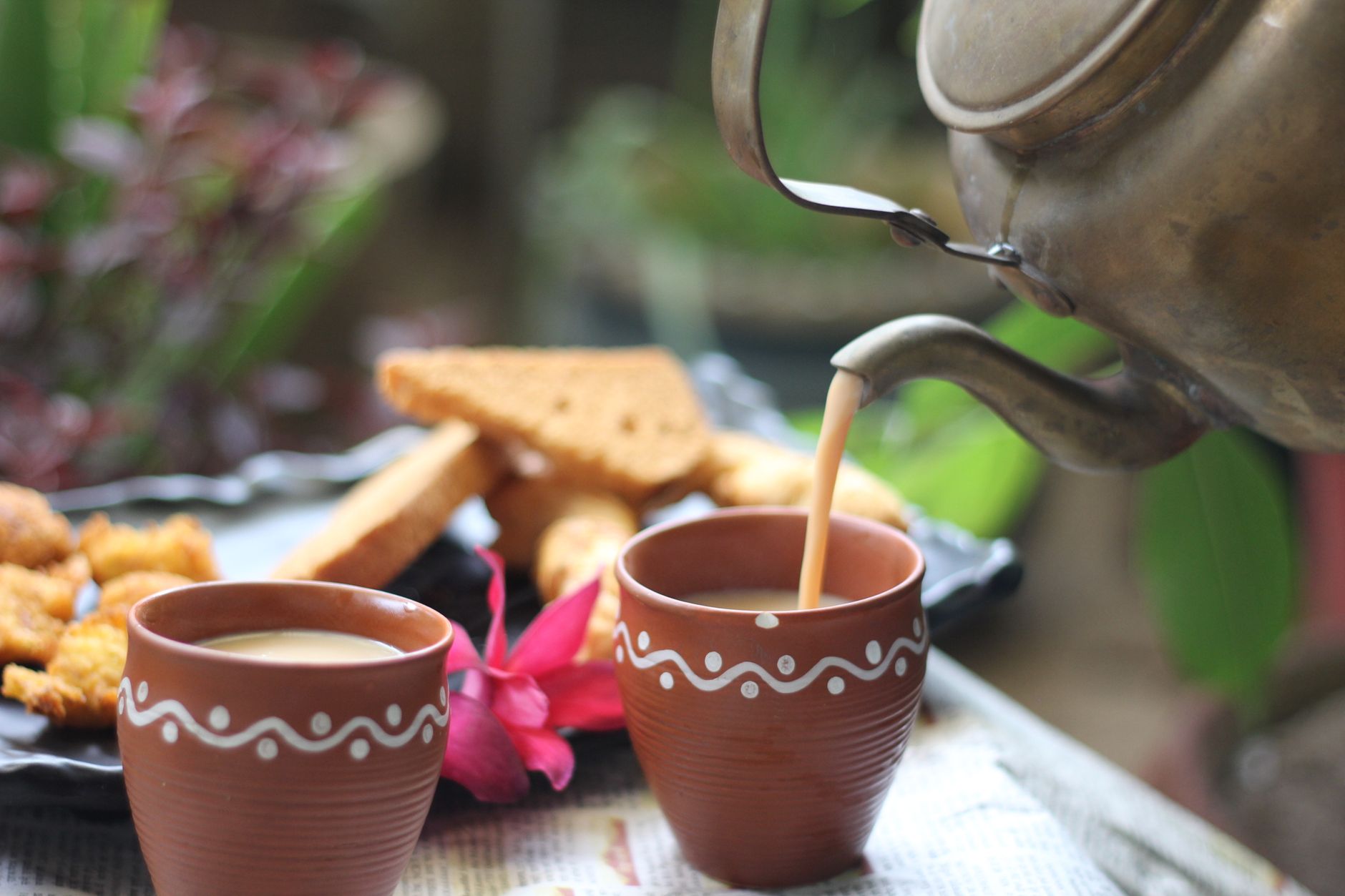
Chai tea is a beloved beverage that brings together the warmth of spices and the richness of tea into a delightful cup. Originating from India, chai is more than just a drink; it is a cultural experience, often enjoyed in the company of friends and family. Making chai is a simple process, but with various preparations available, it can be tailored to your preferences.
This guide will explore how to make chai tea from scratch, providing a detailed recipe, tips for customizing flavors, as well as storage and serving suggestions. You’ll learn how to choose the right ingredients, which equipment to use, and how to troubleshoot common issues that may arise during the preparation process.
How to Make Chai Tea?
To make chai tea, you need a combination of black tea, spices, milk, and sweetener, which are simmered together to create a rich and aromatic drink. The essence lies in the balance of flavors, which can be easily adjusted based on personal preference.
Understanding Chai Tea
Chai tea, or simply ‘chai,’ derives from the Hindi word for ‘tea.’ The foundational elements typically include:
- Black Tea: The base of the beverage, providing caffeine and a robust flavor.
- Spices: Common spices include cardamom, ginger, cinnamon, cloves, and black pepper, which contribute warmth and depth.
- Milk: Traditionally, whole milk is used for creaminess, though any milk or milk alternative can be adapted.
- Sweetener: Sugar, honey, or other sweeteners are often added to balance the spices.
Ingredients for Chai Tea
To create the perfect cup of chai, you’ll need the following ingredients:
- 2 cups water
- 2 black tea bags or 2 tablespoons loose black tea leaves
- 1–2 inches fresh ginger, sliced or grated
- 3–4 green cardamom pods, smashed or crushed
- 1 cinnamon stick (or 1/2 teaspoon ground cinnamon)
- 2–3 cloves
- 1/4 teaspoon black pepper (optional)
- 1–2 cups milk (whole, almond, or any preferred type)
- Sweetener to taste (sugar, honey, or a sugar substitute)
Essential Equipment
- Medium-sized saucepan
- Measuring cups and spoons
- Fine mesh strainer or tea strainer
- Stirring spoon
- Serving cups
Step-by-Step Guide to Making Chai Tea
- Boil the Water: In a medium saucepan, bring 2 cups of water to a rolling boil over medium-high heat.
- Add Spices: Once the water is boiling, add the sliced ginger, smashed cardamom pods, cinnamon stick, cloves, and black pepper (if using). Allow the spices to simmer for 5-10 minutes to release their flavors.
- Add Tea: Once the spice mixture is fragrant, add the tea bags or loose tea leaves to the saucepan. Let it steep for about 3-5 minutes. Adjust the steeping time depending on how strong you like your tea.
- Add Milk: Lower the heat and add 1-2 cups of milk to the saucepan. Bring the mixture back to a gentle simmer, stirring occasionally.
- Sweeten: Stir in your preferred sweetener to taste, allowing it to dissolve completely.
- Strain and Serve: Once all the ingredients are well combined and the tea is aromatic, remove the saucepan from heat. Use a fine mesh strainer to pour the chai into cups, discarding the spices and tea leaves.
Tips for Perfect Chai Tea
- Experiment with spices to find a balance that suits your palate. Less ginger may make the tea milder, while adding more cardamom can enhance the sweetness.
- Consider using fresh spices whenever possible. Fresh spices generally provide a more robust flavor than pre-ground versions.
- For a creamier chai, substitute some of the water with evaporated milk or condensed milk. This can create a richer flavor profile.
- If using loose tea, use a tea infuser or a cheesecloth to contain the leaves, making it easier to strain.
- Try cold brewing tea for a unique twist. Allow tea and spices to steep in cold water for several hours in the refrigerator, then add milk and sweetener before serving.
Practical Substitutions
Flexibility is key when making chai tea. Here are some substitutes you can use:
- Tea: You can replace black tea with green tea or even herbal tea for a caffeine-free version. Note that steeping times may vary.
- Milk: Use any plant-based milk such as oat, soy, or coconut milk. Adjust the sweetness as plant-based milk can vary in sugar content.
- Sweetener: Agave syrup or maple syrup are suitable alternatives to sugar, while stevia is a no-calorie option.
- Spices: If you do not have access to fresh spices, ground spices can be used, but their flavors are less potent. Use about 1/3 of the amount specified for whole spices.
Common Mistakes and Troubleshooting
While making chai tea is relatively straightforward, here are some common pitfalls to avoid:
- Over-Boiling Milk: When adding milk, be careful not to let it boil over. Simmer gently to avoid scalding the milk, which can create unwanted flavors.
- Too Strong or Weak Tea: Adjust steeping times by tasting the tea. If it’s too strong, reduce steeping time next time. If too weak, let it steep a bit longer.
- Not Straining Properly: Particles from tea leaves and spices can float in the chai if not strained well. Use a fine mesh strainer to ensure a smooth cup.
- Ignoring Sweetness: Sweetness balances the spice. If your tea feels a bit harsh, adding sweetener can transform the drink.
Serving Suggestions
Chai tea can be enjoyed on its own or paired with various snacks. Consider serving your chai alongside:
- Traditional Indian snacks like samosas or pakoras.
- Cookies or biscotti for a sweet accompaniment.
- Savory pastries or bread toasted with butter.
Make-Ahead and Storage Tips
Chai can be prepared in larger quantities and stored for later. Here’s how to do it:
- Prepare chai concentrate by following the usual recipe but without adding milk. This concentrate can be refrigerated for up to a week.
- To serve, reheat the concentrate with your choice of milk and sweetener. Adjust proportions as needed.
- Chai spices can be blended in advance and stored in an airtight container for up to six months for quick brewing.
Variations of Chai Tea
Chai tea offers endless customization. Here are some popular variations:
- Iced Chai: Brew your chai concentrate, let it cool, and serve over ice with milk and sweetener.
- Masala Chai: Increase the variety of spices—try adding star anise, nutmeg, or fennel for a distinct taste.
- Vanilla Chai: Add a splash of vanilla extract or use vanilla-flavored tea bags for a sweet twist.
- Herbal Chai: Herbal ingredients like lemongrass or hibiscus can provide a refreshing change to traditional chai.
Chai tea is a delightful beverage that invites creativity. By utilizing this guide, you can make a customized cup that satisfies your taste. Whether served warm on a cozy evening or chilled on a sunny afternoon, chai tea holds the potential to be a comforting staple in your beverage rotation.
If you’re interested in exploring more recipes, cooking tips, or food guides, check out our cardamom tea recipe or learn how to make Ethiopian tea. Each recipe offers a unique approach to these beloved beverages!