
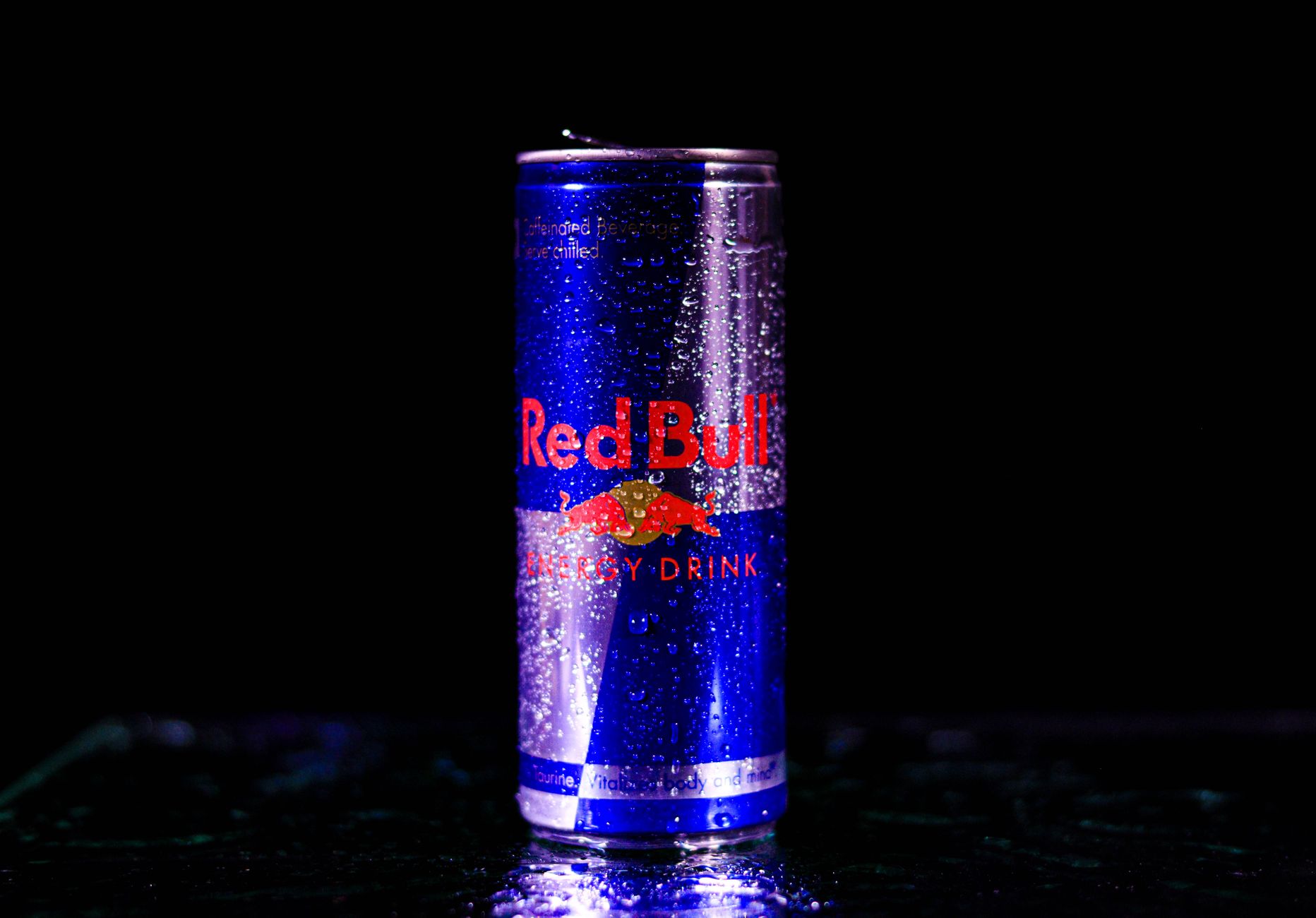
Red Bull is one of the most popular energy drinks worldwide, known for its distinctive taste and invigorating properties. A common question among consumers is about the caffeine content in this drink, especially for those considering their caffeine intake for health or performance reasons.
Understanding how much caffeine is in Red Bull can help you make informed decisions about its consumption. In this article, we’ll explore Red Bull’s caffeine content, its effects, recommendations for consumption, and alternative options.
How Much Caffeine Is In Red Bull?
A standard 8.4 fl oz (250 ml) can of Red Bull contains approximately 80 mg of caffeine. This amount is comparable to a cup of coffee, making it a popular choice for those looking for a quick energy boost without consuming an entire cup of coffee.
In larger formats of the drink, such as the 12 fl oz (355 ml) can, the caffeine content rises to around 114 mg. It’s worth noting that the caffeine concentration may vary slightly by flavor or formulation, but the standard values remain fairly consistent.
Understanding Caffeine and Its Effects
Caffeine is a stimulant that affects the central nervous system, which can lead to increased alertness and reduced fatigue. However, each person’s sensitivity to caffeine varies.
Here are some noticeable effects of caffeine consumption:
- Increased alertness and attention.
- Enhanced physical performance, often used by athletes.
- Improved mood and cognitive function.
While moderate caffeine consumption can offer benefits, excessive intake can lead to side effects such as insomnia, jitteriness, and increased heart rate. Therefore, understanding how much caffeine is present in your beverage choices, including Red Bull, is important.
Recommendations for Caffeine Consumption
Health organizations often set guidelines for caffeine consumption. For most adults, a daily intake of up to 400 mg of caffeine is generally considered safe, which translates to about five 8.4 oz cans of Red Bull in one day.
However, individual tolerance varies. It’s advisable to start with lower amounts if you are not accustomed to caffeine and monitor how your body responds.
Alternatives to Red Bull
If you’re looking for alternatives to Red Bull or want to experiment with different energy-boosting beverages, consider the following options:
Coffee
A classic alternative, an 8 oz cup of brewed coffee contains roughly 95 mg of caffeine. Coffee also provides various antioxidants and can be enjoyed in multiple forms.
Green Tea
This beverage offers a lower caffeine content, about 30-50 mg per 8 oz cup, along with beneficial antioxidants. Green tea provides a gentler energy boost compared to energy drinks.
Yerba Mate
A traditional South American drink, yerba mate contains about 30-50 mg of caffeine per 8 oz serving. It’s noted for its unique flavor profile and potential health benefits.
Matcha
This powdered form of green tea provides approximately 70 mg of caffeine per serving. Matcha is rich in antioxidants and is a popular drink for those seeking a sustained energy boost.
Mixing Red Bull in Cocktails
Red Bull is often used in cocktail recipes for its effervescence and flavor. Here are a few ideas for mixing Red Bull that cater to the taste buds while providing an energy boost:
Red Bull Vodka
This simple mix combines 1.5 oz of vodka with an 8.4 oz can of Red Bull and is popular at parties due to its refreshing taste.
Red Bull Mojito
For a fruity twist, replace soda with Red Bull in a mojito recipe. Use fresh mint, lime juice, and rum, topping it off with Red Bull for an energizing cocktail.
Ketel One Espresso Martini
For coffee lovers, consider using Red Bull with a shot of espresso and Ketel One Vodka for a unique take on the espresso martini. Check out the Ketel One Espresso Martini Recipe for details.
Brown Shaken Espresso
A combination of espresso, your choice of sweetener, and Red Bull can create a vibrant cocktail. This fusion delivers a rich, robust flavor with a refreshing energy kick. Find the Brown Shaken Espresso Recipe for more ideas.
Tips for Safe Energy Drink Consumption
When consuming energy drinks like Red Bull, keep the following tips in mind to ensure safe enjoyment:
- Read labels carefully for caffeine content and other ingredients.
- Avoid mixing energy drinks with alcohol to prevent masking the effects of alcohol consumption.
- Stay hydrated; caffeine is a diuretic, which could lead to increased fluid loss.
- Monitor your total daily caffeine intake from all sources, including teas, coffees, and sodas.
Common Misconceptions About Caffeine
Many myths surround caffeine and energy drinks. Here are a couple to be aware of:
- Caffeine does not hydrate; it can lead to increased urination, so it’s vital to drink water.
- Consuming energy drinks does not provide a significant nutritional boost unless combined with food.
Common Mistakes When Consuming Red Bull
Here are some frequent pitfalls to avoid when consuming Red Bull:
- Not considering the total caffeine intake throughout the day.
- Drinking Red Bull too close to bedtime, potentially disrupting sleep patterns.
- Over-relying on energy drinks for energy boosts, which can lead to a cycle of dependency.
Conclusion
Understanding the caffeine content in Red Bull is essential for managing your energy levels effectively. With approximately 80 mg of caffeine in a standard can, it provides a significant boost but should be consumed mindfully.
For those seeking alternatives, beverages like coffee, green tea, and yerba mate provide various flavors and energy levels. Always pay attention to how your body reacts and ensure you enjoy these drinks responsibly. Explore delicious drink recipes or tips for energizing meals to complement your active lifestyle.
For more exciting drink recipes, try the Ketel One Espresso Martini Recipe and the Brown Shaken Espresso Recipe.