
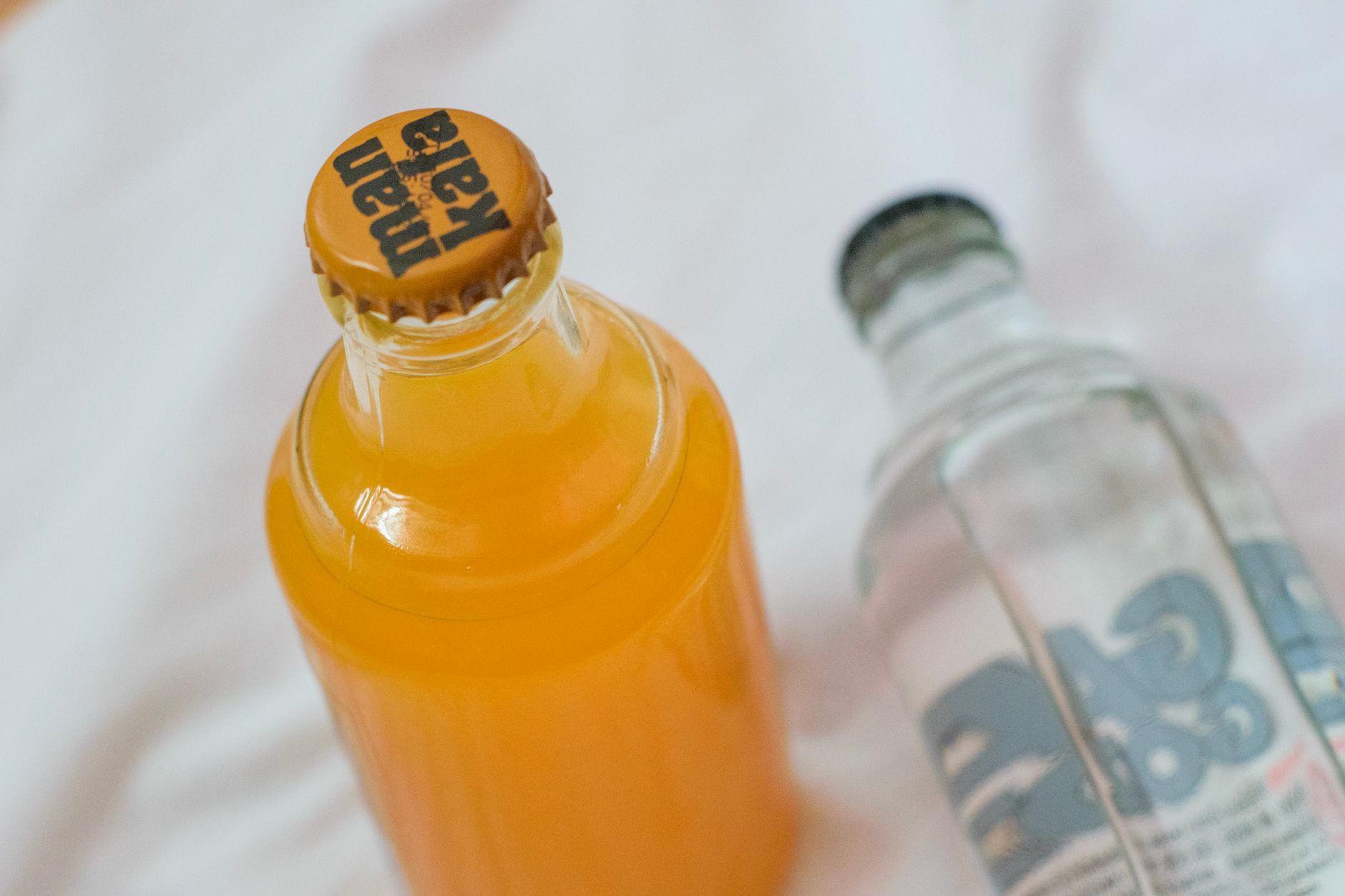
Kombucha is a fermented tea beverage known for its tangy flavor and effervescence. Made by fermenting sweetened tea with a symbiotic culture of bacteria and yeast (SCOBY), it has gained popularity for its unique taste and purported health benefits.
This guide will delve into the history, ingredients, brewing process, flavor variations, and some helpful tips to successfully make and enjoy your own kombucha at home.
What is Kombucha?
Kombucha is a fizzy drink that originates from northeast China and has been consumed for centuries. The fermentation process transforms sweetened tea into a sour, slightly sweet beverage that is often described as having a bright, refreshing taste. Kombucha is rich in probiotics, which are beneficial for gut health.
The History of Kombucha
Kombucha’s history dates back over 2,000 years to ancient China, where it was referred to as the “Tea of Immortality.” It later spread to Russia and other parts of Europe. In the early 20th century, kombucha gained popularity in the United States, especially during the health food movement. Today, kombucha can be found in grocery stores, cafes, and is a popular homemade beverage.
Ingredients Needed to Make Kombucha
- Tea: Black, green, or oolong tea works best due to their natural tannins and polyphenols.
- Sugar: Cane sugar is commonly used, as it feeds the SCOBY during fermentation.
- SCOBY: This symbiotic culture of bacteria and yeast is essential for the fermentation process.
- Starter Tea: A small amount of previously fermented kombucha to help kickstart fermentation.
- Filtered Water: It’s crucial to use chlorine-free water to protect the SCOBY.
Essential Equipment for Brewing Kombucha
- Glass Jar: A large glass jar or fermentation vessel (1-gallon size is standard).
- Cloth Cover: A breathable cloth or coffee filter secured with a rubber band to allow airflow while preventing contaminants.
- Measuring Cups and Spoons: For precise ingredient measurements.
- Tea Kettle: For boiling water and steeping tea.
- pH Strips (optional): To check the acidity level of your kombucha.
Step-by-Step Guide to Brewing Kombucha
Follow these steps to successfully brew a batch of kombucha.
- Prepare the Tea: Boil 4 cups of filtered water and add 4-6 tea bags (depending on your flavor preference) along with 1 cup of sugar. Stir until the sugar dissolves.
- Steep and Cool: Let the tea steep for 10-15 minutes. Remove tea bags and allow the mixture to cool to room temperature.
- Add Starter Tea: Once cooled, pour the sweetened tea into a large glass jar. Add 2 cups of previously fermented kombucha (starter tea). This helps establish the correct pH level for fermentation.
- Add the SCOBY: Gently place the SCOBY on top of the liquid. It may float or sink, which is normal.
- Cover and Ferment: Cover the jar with a cloth and secure it with a rubber band. Place it in a warm, dark spot (68°F to 85°F) for 7 to 14 days.
- Check for Taste: After about a week, start tasting your kombucha. It should be tangy and less sweet. The longer it ferments, the less sugar it will retain.
- Bottle and Flavor: Once it reaches your desired taste, remove the SCOBY and set it aside. Pour the kombucha into bottles, leaving about an inch of space at the top. You can add flavorings such as fruit, ginger, or herbs at this stage.
- Second Fermentation: Seal the bottles and leave them at room temperature for another 3-7 days for carbonation. Once ready, refrigerate to stop fermentation.
- Enjoy: Serve chilled and enjoy your homemade kombucha!
Common Mistakes When Brewing Kombucha
- Using Tap Water: Chlorinated water can harm the SCOBY. Always use filtered or bottled water.
- Over-Fermenting: If left too long, kombucha can become overly sour. Adjust fermentation time to taste.
- Contamination: Ensure all equipment is properly sanitized to prevent mold or other unwanted bacteria.
Flavor Variations for Kombucha
One of the delights of making kombucha is customizing flavors during the bottling process. Here are some popular flavoring options:
- Fruits: Add pieces of fresh fruit such as berries, citrus slices, or mango.
- Herbs: Basil, mint, or rosemary can add a refreshing twist.
- Spices: A slice of ginger or a few cloves can provide warmth and depth.
- Juices: Consider adding natural fruit juices for a flavor boost.
Storage and Shelf Life of Kombucha
Once refrigerated, properly bottled kombucha can last for about 1 to 3 months. While it may still be safe to consume beyond this time frame, the flavor may become too potent or sour.
Benefits and Considerations of Drinking Kombucha
Kombucha is known for being rich in probiotics, which can support gut health. It also contains antioxidants and may contribute to improved digestion and energy levels. However, due to its acidity, individuals with certain conditions, such as acid reflux, may want to limit their intake.
It’s important to note that homebrewed kombucha can vary in alcohol content due to fermentation. Regularly monitoring fermentation times and conditions can help manage this aspect if necessary.
Is It Safe for Everyone?
While kombucha is generally safe for most people, pregnant individuals, those with weakened immune systems, or those taking certain medications may want to consult with a healthcare provider before consumption. As with any fermented product, moderation is key.
Helpful Tips for Successful Kombucha Brewing
- Maintain Proper Temperature: Keep your kombucha in a stable, warm environment to facilitate fermentation.
- Experiment with Fermentation Times: Everyone’s taste is different. Adjusting the fermentation period allows you to find your preferred flavor profile.
- Store the SCOBY Properly: If you’re not ready to brew again, store the SCOBY in a jar with some sweet tea to keep it healthy.
Exploring Hard Kombucha
Recently, hard kombucha has emerged as a popular beverage choice, combining the traditional flavors of kombucha with a higher alcohol content. This is achieved through a longer fermentation process or the addition of a neutral spirit.
Explore recipes to create hard kombucha at home if you’re interested in experimenting further with your brewing skills. Here’s a link to a hard kombucha recipe for your convenience.
Creating a Ginger Bug for Flavor
A ginger bug is a natural fermentation starter made from ginger, sugar, and water. It can be used to add a spicy effervescence to kombucha. This simple method allows you to create a homemade probiotic-rich beverage. For a detailed guide, check out this ginger bug recipe that you can easily incorporate into your brewing routine.
Making kombucha is an engaging process that allows for creativity and personalization. Your taste buds will thank you as you embark on your brewing adventure. Happy brewing!
For more recipes and cooking tips, explore our other guides on delicious drinks and creative fermentation methods!