
Picture this: a sunny afternoon, your favorite backyard hammock, and a refreshing sip of homemade hard kombucha in hand. This recipe is a delightful blend of flavors and a fun way to experiment with brewing at home. It’s not just a trendy drink; it’s also packed with probiotics and can be made to suit your taste preferences, whether you like it tart, fruity, or spicy. With just a few steps and a little patience, you’ll have a unique beverage that impresses friends and family alike.
Why You’ll Love This Recipe
This hard kombucha recipe is perfect for anyone wanting to explore fermentation at home. It’s a flavorful drink that can easily be customized.
- Refreshing and effervescent
- Healthier alternative to sugary cocktails
- Endless flavor combinations
- Fun and rewarding to make
My Experience Making This Recipe
The first time I brewed hard kombucha, I was surprised at how simple it was. Watching the fermentation process transform sweet tea into a fizzy delight felt almost magical.
Once it was ready, I invited friends over for a taste test, and they were blown away by the freshness and complexity of flavors. It was a hit, and I quickly became known as the go-to kombucha maker in my circle.
Recipe Overview
- Recipe Name: Hard Kombucha
- Servings: 8
- Prep Time: 10 minutes
- Fermentation Time: 7-14 days
- Total Time: 7-14 days
- Course: Beverage
- Cuisine: Fermented
- Calories per Serving: 30
Equipment You Will Need
- 1-gallon glass jar or fermentation vessel
- Cheesecloth or coffee filter
- Rubber band or string
- Stirring spoon
- Bottles for storage (with caps)
- Funnel (optional)
Ingredients for Hard Kombucha
- 4-6 tea bags (black or green tea)
- 1 cup sugar
- 8 cups water
- 1 cup starter kombucha (unflavored, store-bought)
- SCOBY (Symbiotic Culture Of Bacteria and Yeast)
- Flavorings (fruits, herbs, or spices to taste)
Ingredient Notes and Substitutions
- Tea: Black tea gives a strong flavor, while green tea is milder. Herbal teas can also be used but may affect fermentation.
- Sugar: Regular granulated sugar works best, but you can experiment with other sugars like honey or agave.
- Starter Kombucha: Essential for introducing the right bacteria. If unavailable, look for unflavored varieties at local stores.
- SCOBY: You can buy one or grow your own from a previous batch of kombucha.
How to Make Hard Kombucha
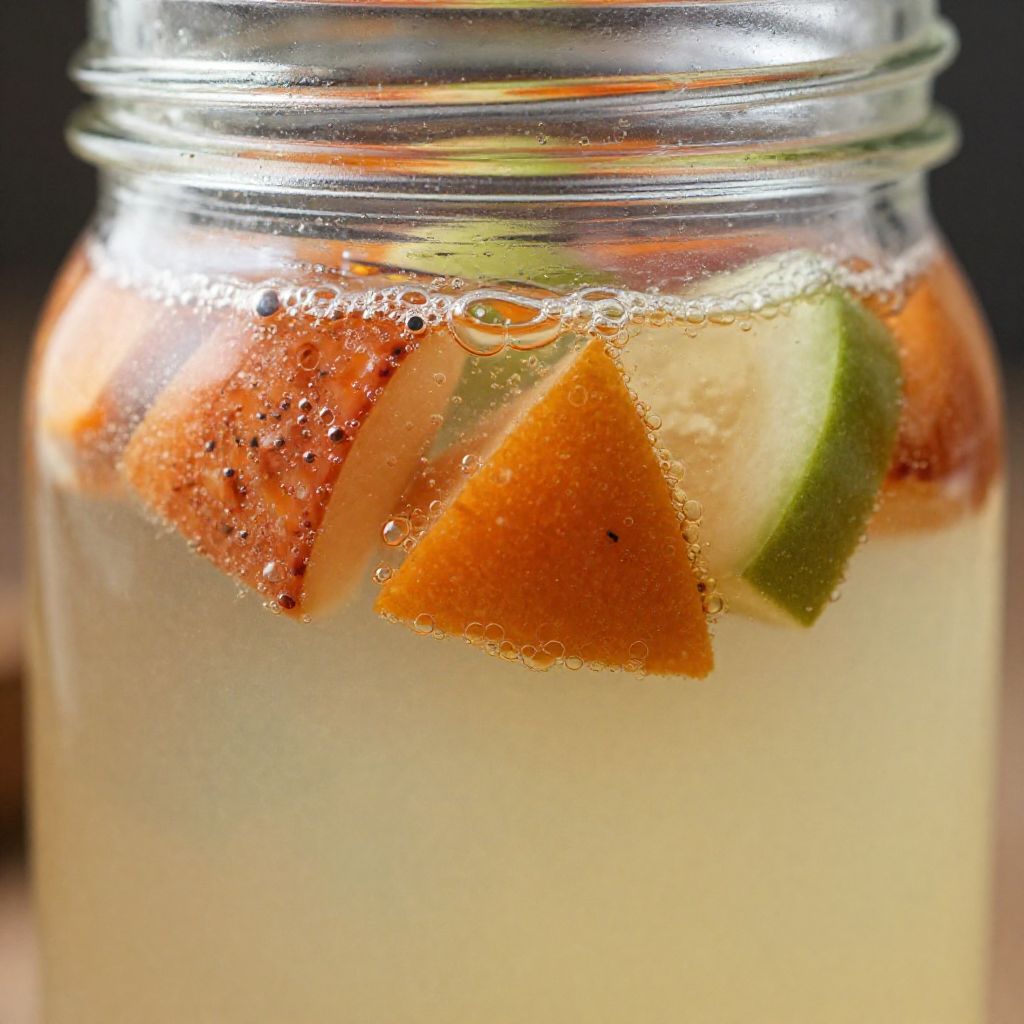
Step 1: Prepare the Tea
Boil 8 cups of water and steep 4-6 tea bags for about 10 minutes. This creates a strong base for your kombucha.
Step 2: Dissolve the Sugar
Remove the tea bags and stir in 1 cup of sugar until dissolved. This sugar will feed the SCOBY during fermentation.
Step 3: Cool the Mixture
Let the sweet tea cool to room temperature. Hot tea can harm the SCOBY and affect fermentation.
Step 4: Combine Ingredients
Pour the cooled tea into your fermentation vessel. Add 1 cup of starter kombucha and gently place the SCOBY on top.
Step 5: Cover the Vessel
Cover the jar with cheesecloth or a coffee filter, securing it with a rubber band. This allows airflow while keeping out contaminants.
Step 6: Ferment
Store the jar in a warm, dark place for 7-14 days. Taste it periodically until it reaches your desired balance of sweetness and tartness.
Step 7: Flavor the Kombucha
Once fermented, remove the SCOBY and reserve it for your next batch. Add your chosen flavorings, like fruits or herbs, and stir gently.
Step 8: Bottle and Carbonate
Using a funnel, pour the kombucha into bottles, leaving some space at the top. Seal the bottles and let them sit at room temperature for another 3-5 days to carbonate.
Pro Tip: Always keep a little kombucha from your last batch to use as a starter for the next one!
Tips for the Best Hard Kombucha
- Use high-quality tea for better flavor; the type of tea significantly impacts your brew.
- Monitor fermentation closely; taste it regularly to find your preferred flavor profile.
- Be mindful of temperature; kombucha ferments best between 68-85°F (20-29°C).
- Experiment with flavorings after the first batch; fresh fruits and herbs add delightful complexity.
- Always sanitize your equipment to prevent any unwanted bacteria from spoiling your kombucha.
Common Mistakes to Avoid
- Using hot water when adding the SCOBY; this can kill the beneficial bacteria and yeast.
- Skipping the starter kombucha; it introduces necessary bacteria for fermentation.
- Not tasting during fermentation; flavors can develop quickly, and you don’t want it too sour.
- Forgetting to leave headspace in bottles; too much carbonation can lead to exploding bottles.
Serving Suggestions
Hard kombucha is versatile and pairs well with various foods. Here are some suggestions to elevate your beverage experience:
- Spicy tacos
- Grilled chicken skewers
- Fresh summer salads
- Charcuterie boards
- Light desserts like sorbet
Variations to Try
- Add ginger for a zesty kick and digestive benefits.
- Infuse with berries for a fruity and colorful drink.
- Experiment with herbs like mint or basil for a refreshing twist.
- Try different teas like hibiscus or chai for unique flavor profiles.
Dietary Adaptations
- Gluten-free: This recipe is naturally gluten-free, as it contains no grains.
- Dairy-free: Kombucha is dairy-free, making it suitable for lactose-intolerant individuals.
- Vegan: All ingredients are plant-based; enjoy without concern.
- Low-carb/keto: Keep an eye on sugar levels, especially if adding sweet fruits.
Storage and Reheating
Refrigerator
Store unopened bottles in the fridge for up to 3 months. This slows fermentation and keeps flavors fresh.
- Keep bottles upright to prevent leaks.
- Label with the date brewed for reference.
Freezer
Freezing is not recommended for hard kombucha, as it can alter texture and flavor. It is best enjoyed fresh.
- Consider making smaller batches if you worry about waste.
Reheating
Reheating is unnecessary; serve chilled for the best experience. Kombucha is meant to be enjoyed cold and refreshing.
- Allow it to warm slightly if serving with warm food.
Nutrition Information
| Nutrient | Amount |
|---|---|
| Calories | 30 |
| Total Fat | 0g |
| Saturated Fat | 0g |
| Carbohydrates | 8g |
| Fiber | 0g |
| Sugar | 6g |
| Protein | 0g |
| Sodium | 5mg |
| Cholesterol | 0mg |
This information is approximate and can vary based on the ingredients used and any additional flavorings.
Frequently Asked Questions
Can I use flavored tea for brewing?
Yes, flavored tea can add unique taste, but ensure it is free from oils or additives that can harm the SCOBY.
How long does hard kombucha last?
When stored properly in the fridge, hard kombucha can last up to three months, though it’s best enjoyed fresh.
What if my kombucha is too sour?
If it becomes too sour, try shortening the fermentation time next batch. You can also add sweetness during the flavoring step.
Can I make this recipe without a SCOBY?
No, the SCOBY is essential for fermentation. You can grow one or purchase it from a reliable source.
How do I know when my kombucha is ready?
Taste it during fermentation. It’s ready when it has a balanced sweet and tangy flavor that you enjoy.
Final Thoughts
Making your own hard kombucha is a rewarding experience that brings unique flavors to your table. With each batch, you’ll learn and refine your technique, resulting in a beverage that perfectly suits your taste.
So, gather your equipment, get brewing, and enjoy the creativity of home fermentation. For more delicious beverages, check out this ginger beer recipe or this fermented ginger beer recipe.
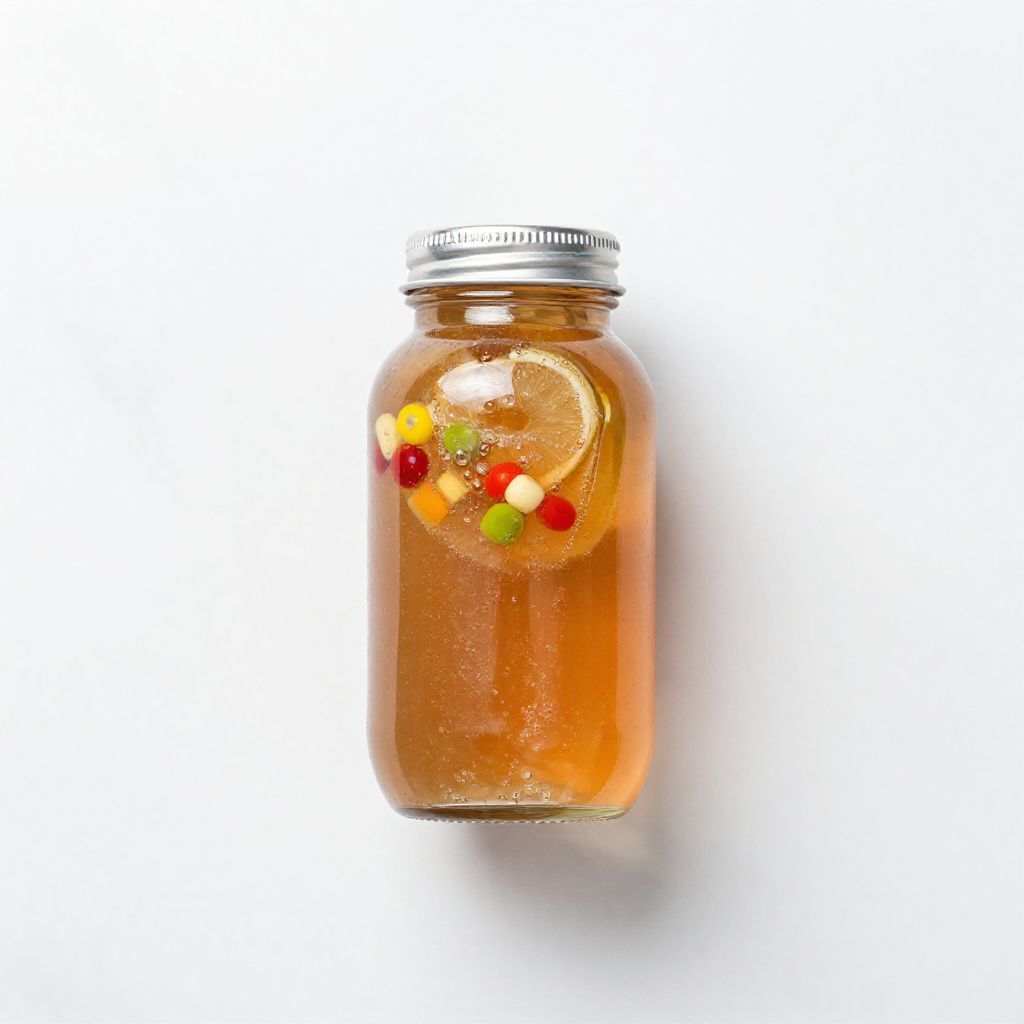
Hard Kombucha
Ingredients
Equipment
Method
- Boil 8 cups of water and steep 4-6 tea bags for about 10 minutes.
- Remove the tea bags and stir in 1 cup of sugar until dissolved.
- Let the sweet tea cool to room temperature.
- Pour the cooled tea into your fermentation vessel, add 1 cup of starter kombucha and gently place the SCOBY on top.
- Cover the jar with cheesecloth or a coffee filter, securing it with a rubber band.
- Store the jar in a warm, dark place for 7-14 days, tasting periodically until it reaches your desired balance of sweetness and tartness.
- Remove the SCOBY and reserve it for your next batch, then add flavorings such as fruits or herbs and stir gently.
- Using a funnel, pour the kombucha into bottles, leaving some space at the top; seal the bottles and let them sit at room temperature for another 3-5 days to carbonate.