
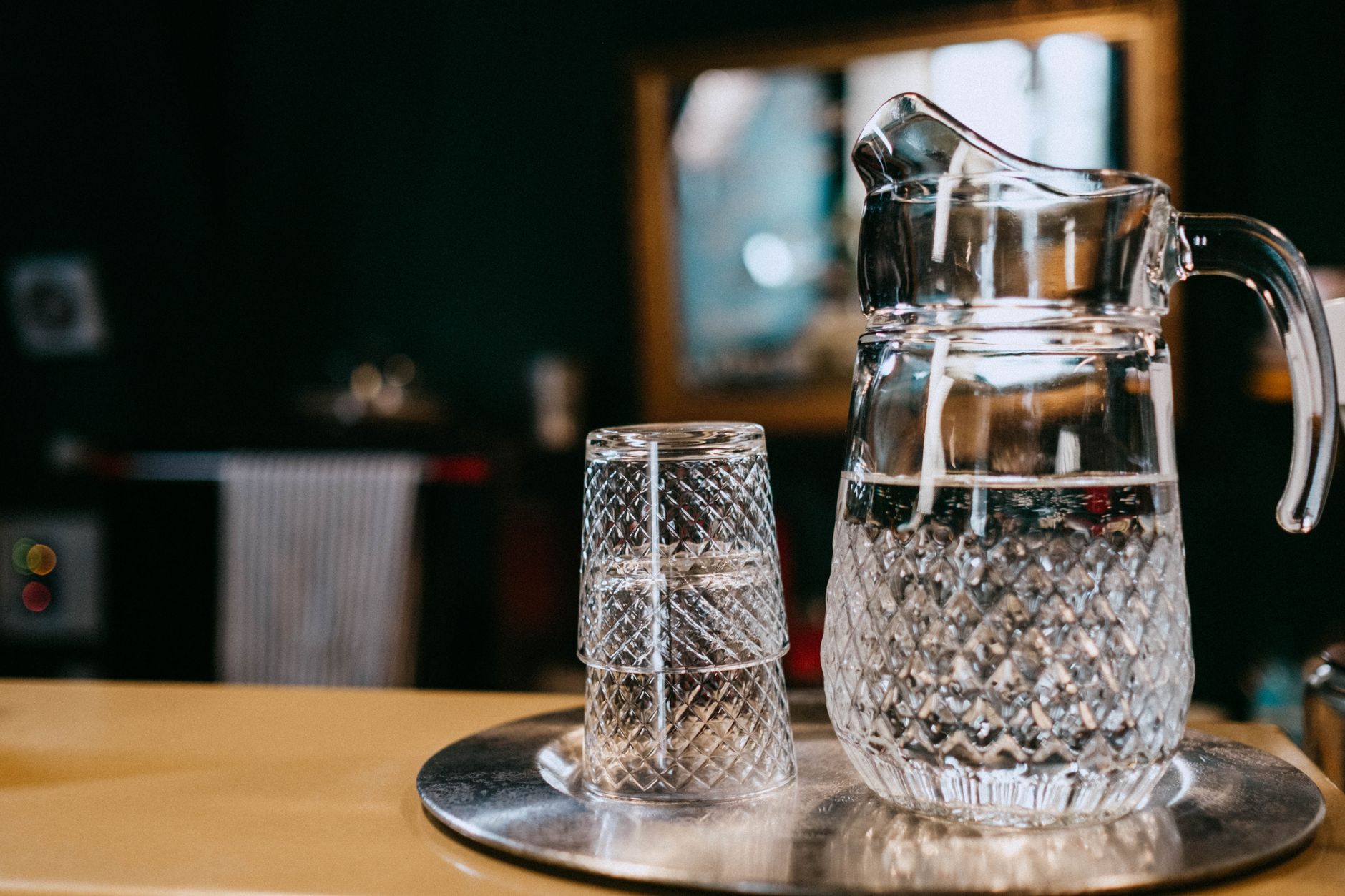
Staying hydrated is essential for maintaining overall health and well-being. But how much water should you drink in a day? While the answer can vary based on activity level, climate, and individual needs, understanding the factors that influence hydration is crucial. This guide will delve into the determinants of proper hydration and provide practical tips for ensuring you drink enough water daily.
Incorporating water into your daily routine can be as simple as making adjustments in your diet and understanding your body’s needs. Let’s explore the guidelines for hydration, the signs of dehydration, and different strategies to meet your hydration goals.
How Much Water Should You Drink In A Day?
The general recommendation for daily water intake is about 2.7 liters (91 ounces) for women and 3.7 liters (125 ounces) for men. This includes all beverages and food moisture. Individual needs can vary significantly based on factors like age, activity level, and climate, but these figures serve as a foundational guideline.
Factors Influencing Water Requirements
Understanding individual hydration needs can help you determine the right amount of water for your body.
1. Activity Level
Your level of physical activity greatly impacts your water needs. If you exercise regularly, you’ll lose water through sweat and will require additional fluids to stay hydrated. During intense workouts, aim to drink about 500-750 ml (17-25 ounces) of water for every hour of exercise.
2. Climate and Environment
Living in a hot or humid climate significantly increases your water requirements. You may sweat more in high temperatures and need to replenish fluids more frequently. On the other hand, dry conditions also necessitate increased water intake to combat moisture loss through respiration and skin.
3. Diet
Your dietary choices can affect hydration levels as well. Foods with high water content, such as fruits (like watermelons and cucumbers) and vegetables, contribute to overall fluid intake. Conversely, high-sodium and high-sugar foods can lead to dehydration and require additional water intake to mitigate their effects.
4. Age and Gender
Age and gender also play a role in determining water requirements. Generally, men have a higher water content than women and may need more fluid. Older adults may also have a reduced sense of thirst and may need reminders to drink water throughout the day.
5. Health Status
Certain medical conditions can affect hydration levels. Diuretics, fever, vomiting, or diarrhea can increase the need for fluids. Conversely, some conditions may limit fluid intake, so it’s important to consult a healthcare professional for personalized advice.
Signs of Dehydration
Recognizing the symptoms of dehydration is essential for maintaining hydration. Here are some common signs to watch for:
- Thirst
- Dark yellow urine
- Dry mouth and throat
- Fatigue or dizziness
- Headaches
If you experience any of these symptoms, it’s a sign that your body is in need of fluids. Taking immediate action by drinking water, electrolyte drinks, or hydrating foods is essential to restore balance.
Strategies for Meeting Hydration Goals
Staying hydrated doesn’t have to be a chore. Here are practical strategies to help you reach your daily hydration goals:
1. Carry a Water Bottle
Having a reusable water bottle on hand encourages frequent sipping throughout the day. Choose a bottle with markers to track your intake or utilize one that holds enough water to meet a significant portion of your daily requirement.
2. Set Reminders
Utilizing smartphone alarms or apps can help you remember to drink water at regular intervals. Aim for smaller amounts regularly rather than consuming large quantities at once.
3. Flavor Your Water
If plain water doesn’t appeal to you, add natural flavorings such as lemon, lime, cucumber, or mint. Infused waters enhance taste without adding significant calories or sugars.
4. Incorporate Hydrating Foods
Include fruits and vegetables with high water content in your diet. Some great options include:
- Watermelon
- Cucumber
- Strawberries
- Celery
- Spinach
These foods boost hydration while providing essential vitamins and minerals.
5. Monitor Your Urine Color
Keeping an eye on the color of your urine is a practical indicator of hydration levels. Pale yellow urine signifies adequate hydration, while dark urine indicates the need for more fluids.
6. Replace Fluids Lost During Exercise
It’s crucial to replace fluids lost during exercise. Consider rehydrating with water or sports drinks containing electrolytes. A general recommendation is to drink about 2 cups (16 ounces) of water for every pound lost during physical activity.
Water Intake Goals for Different Lifestyles
Let’s break down hydration needs further based on different lifestyles and situations.
1. Sedentary Lifestyle
For those who are less active, sticking to the general daily intake of about 2.7 liters (91 ounces) for women and 3.7 liters (125 ounces) for men is usually sufficient.
2. Active Lifestyle
If you engage in regular physical activity, increase your intake based on the duration and intensity of your workouts. Monitor your hydration closely, particularly on hot days when you sweat more.
3. Pregnant or Breastfeeding Women
Pregnant women are recommended to increase their daily water intake to around 2.3 liters (77 ounces), while breastfeeding mothers should aim for about 3.1 liters (104 ounces) to support milk production.
4. Seniors
Older adults tend to be at higher risk for dehydration due to reduced thirst response. Encourage a healthy habit of fluid intake by setting regular drinking times throughout the day, even in the absence of thirst.
Hydration Alternatives
Water isn’t the only way to stay hydrated; consider the following alternatives:
- Herbal Teas: These can hydrate and provide additional health benefits.
- Electrolyte Drinks: Suitable for athletes or those engaging in intense workouts, but be mindful of added sugars.
- Broths: Bone or vegetable broths can hydrate while providing nutrients.
- Infused Waters: Experiment with various fruits, herbs, and spices to create flavorful alternatives to plain water.
Common Hydration Mistakes
Avoiding common pitfalls in hydration can enhance your well-being. Here are mistakes to watch out for:
1. Waiting Until You’re Thirsty
Don’t wait for thirst to remind you to drink water. Thirst is often a late indicator of dehydration. Instead, preemptively hydrate throughout the day.
2. Relying Only on Beverages
While beverages play a significant role in hydration, solid foods also contribute. Prioritize a balanced diet rich in fruits and vegetables for additional hydration support.
3. Consuming Excessive Caffeinated or Alcoholic Beverages
Caffeinated and alcoholic drinks can act as diuretics, potentially leading to increased fluid loss. Aim to drink water alongside these beverages to maintain hydration levels.
Conclusion and Next Steps
Understanding your hydration needs is essential for maintaining optimal health and energy levels. With guidelines tailored to individual circumstances and lifestyle, you can easily meet your daily water intake goals. Monitor your hydration status, stay proactive about fluid consumption, and experiment with different beverages and foods to keep hydration interesting.
For refreshing drink recipes, don’t miss our delightful lemonade recipe or try the tropical twist of our pineapple lemonade recipe. Exploring creative hydration options can make it easier to meet your daily water needs.