
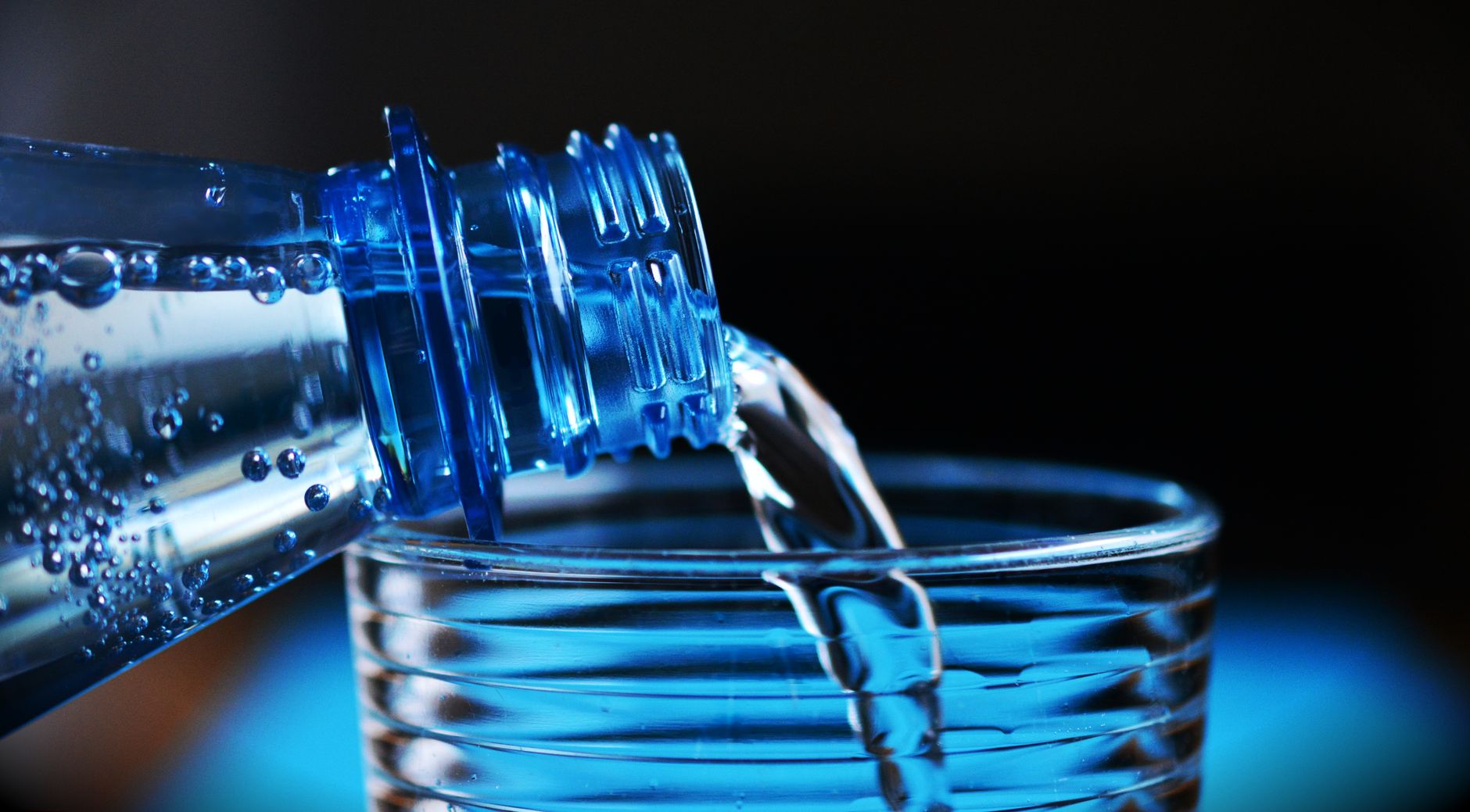
Sparkling ice water, a refreshing beverage that has gained popularity among health-conscious individuals, is a sparkling variant of water that often includes carbonated water and flavorings, with many variations available in grocery stores. But is sparkling ice water bad for you? In this guide, we will explore its ingredients, health effects, and potential benefits to help you make an informed decision.
This article will cover essential aspects of sparkling ice water, including its ingredients and nutrition, how it compares to regular water, any possible health concerns, and whether it’s suitable for everyday consumption. Understanding what you’re drinking is crucial for maintaining a balanced diet and overall health.
Is Sparkling Ice Water Bad For You?
Generally, sparkling ice water can be a healthy alternative to sugary drinks, as it is calorie-free and can contribute to hydration. However, depending on the brand and ingredients, it may contain artificial sweeteners, sodium, or citric acid, which could have adverse effects for some individuals. Understanding these components is essential to determine if it’s a good fit for your diet.
What Is Sparkling Ice Water?
Sparkling ice water is typically made from carbonated water infused with natural or artificial flavors. This fizzy drink provides a bubbly experience similar to soda but without the calories and added sugars. Various brands of sparkling ice water are available, and they often come in an assortment of flavors like lemon, lime, berry, and more.
Ingredients and Nutrition
The primary components of sparkling ice water include:
- Carbonated Water: This is the base of the drink and provides the bubbly texture.
- Flavorings: Many beverages utilize both natural and artificial flavoring agents to provide taste; common ones include fruit extracts and essential oils.
- Sweeteners: Some brands use artificial sweeteners like sucralose or acesulfame potassium to enhance flavor without adding calories.
- Citric Acid: Often used for flavor and to act as a preservative.
- Sodium: Can be present to enhance flavor, particularly in sparkling waters marketed as “enhanced.”
Always check the nutritional label, as the ingredient list can vary widely across brands. Some varieties are sweetened with stevia or other natural compounds, while others may contain only natural flavors without any sweeteners.
Benefits of Sparkling Ice Water
While some people might wonder if sparkling ice water is bad for you, it can also offer several benefits:
- No Calories: Unlike sodas or juices, sparkling ice water is typically calorie-free, allowing you to enjoy a flavorful drink without adding to your daily caloric intake.
- Hydration: Many people prefer the fizzy sensation of sparkling water over still water, potentially encouraging them to drink more and stay hydrated.
- Variety: With numerous flavors available, sparkling ice water can add variety to your beverage options, making it easier to cut out sugary drinks without feeling deprived.
- No Added Sugars: Many brands do not contain added sugars, reducing the risk of weight gain and health issues associated with excessive sugar consumption.
Are There Any Risks Involved?
Even with its benefits, there are some concerns regarding sparkling ice water:
1. Possible Impact on Dental Health
The carbonation in sparkling water can create an acidic environment that may affect tooth enamel over time. Regularly consuming highly acidic beverages could lead to dental erosion. It’s advisable to drink sparkling water in moderation and maintain good dental hygiene.
2. Gastrointestinal Discomfort
For some individuals, carbonation can cause bloating or a feeling of fullness. If you have a sensitive stomach or digestive issues, it might be wise to limit your intake or choose still water on occasion.
3. Artificial Sweeteners
Many flavored sparkling waters contain artificial sweeteners. While generally recognized as safe, some studies suggest that high consumption may lead to various health concerns, including metabolic syndrome and digestive issues in certain individuals. If you’re wary of artificial ingredients, consider opting for naturally flavored varieties.
4. Sodium Content
Some brands add sodium for flavor enhancement. Consuming too much sodium can lead to high blood pressure and increased risk of cardiovascular issues. If you’re watching your salt intake, be cautious and read labels diligently.
How Sparkling Ice Water Compares to Other Beverages
When evaluating whether or not sparkling ice water is bad for you, it’s helpful to compare it with other popular beverages:
| Beverage | Calories | Sugars | Healthier Option? |
|---|---|---|---|
| Soda | 150+ per 12 oz | 39g | No |
| Fruit Juice | 100+ per 8 oz | 24g | No |
| Coffee (without added sugar) | 0-5 per 8 oz | 0 | Yes |
| Regular Water | 0 | 0 | Yes |
| Sparkling Ice Water | 0 | 0 | Yes |
Compared to sodas and juices, which are often packed with sugars and calories, sparkling ice water offers a much healthier option. However, regular water remains the best choice, as it has no acidity, sweeteners, or carbonation.
Practical Tips for Enjoying Sparkling Ice Water
To make the most out of sparkling ice water while minimizing any potential downsides, consider the following practical tips:
- Limit Intake: Moderation is key. Enjoy sparkling ice water as an occasional treat rather than your main beverage.
- Drink with Meals: Consider pairing it with food to minimize the risk of gastrointestinal discomfort.
- Rinse Your Mouth: To protect teeth, rinse your mouth with plain water after consuming sparkling drinks.
- Choose Wisely: Opt for brands with natural flavorings and without artificial sweeteners when possible.
- Monitor Your Sodium: If you’re sensitive to sodium, choose brands low in or free from added salt.
Who Should Avoid Sparkling Ice Water?
Certain groups may benefit from avoiding sparkling ice water:
- Individuals with Gastrointestinal Issues: Those with IBS or other digestive disorders may find carbonated drinks exacerbate their symptoms.
- People with Dental Concerns: If you have sensitive teeth or are prone to dental erosion, limiting acidic beverages, including sparkling ice water, is advisable.
- Individuals Watching Sodium Intake: If you have high blood pressure, check sodium levels carefully before consuming flavored sparkling waters.
Alternatives to Sparkling Ice Water
If after evaluating the pros and cons you decide that sparkling ice water is not ideal for you, consider these alternatives:
- Infused Water: Create your own flavored water by adding fruits, herbs, or even vegetables to plain water.
- Herbal Teas: Unsweetened herbal and fruit teas can provide flavor without extra sugar or calories.
- Coconut Water: A naturally sweet beverage packed with electrolytes, though higher in calories than plain water.
- Homemade Soda Alternatives: Mix sparkling water with a splash of fruit juice for a healthier homemade soda. You can even try this tonic water recipe for more variety.
Conclusion
Sparkling ice water can be a refreshing and low-calorie alternative to sugary drinks, making it a suitable option for many people. However, it’s important to stay mindful of potential concerns such as dental health, digestive comfort, and sodium intake. By understanding what you’re drinking and considering your personal health and preferences, you can make an informed choice about incorporating sparkling ice water into your diet.
For more delicious options, explore different agua fresca recipes or enhance your knowledge of beverages that can elevate your hydration game. You may find a perfect drink to complement your meals while enjoying a unique taste experience.