
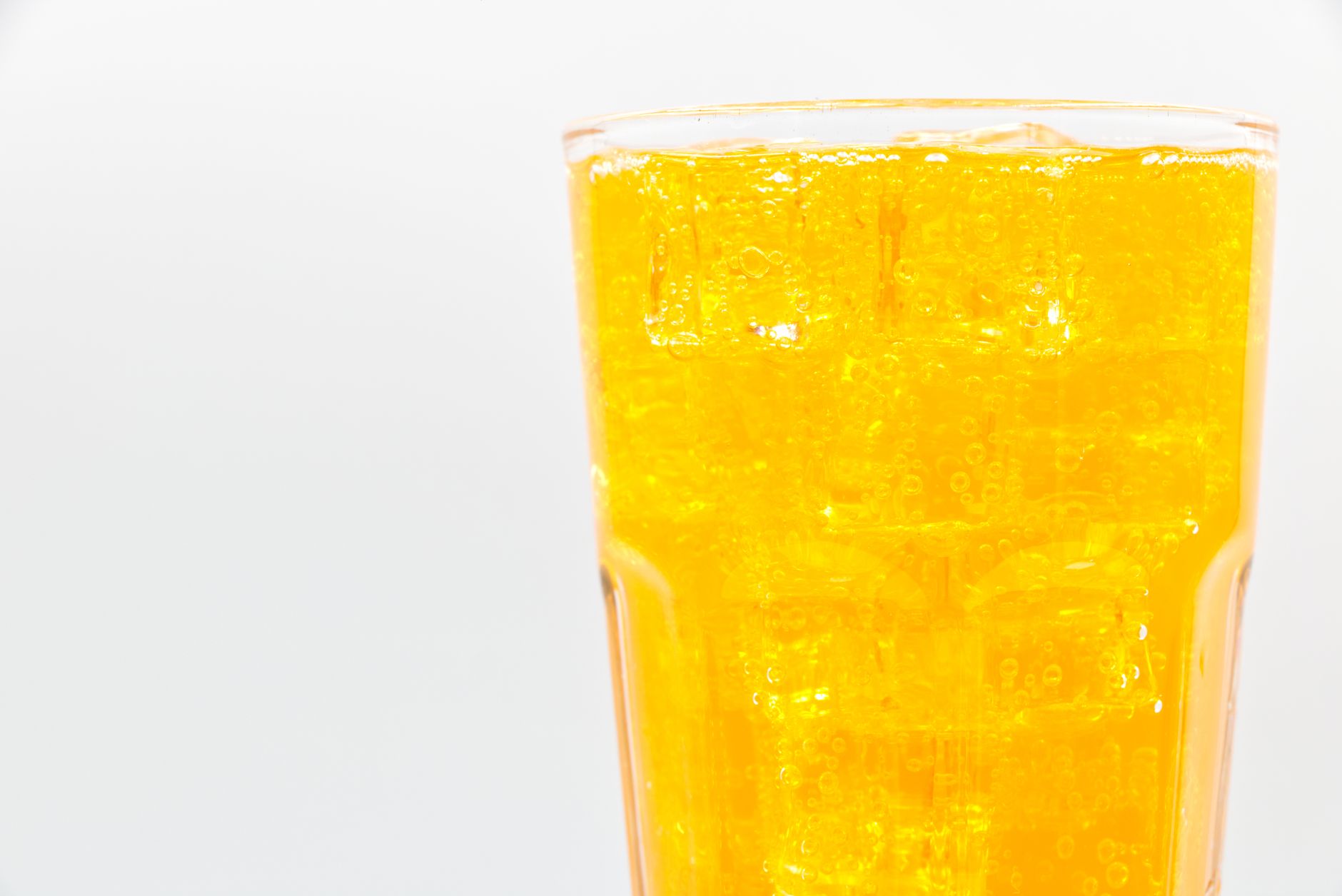
Soda, a fizzy and sweet delight, has captured the hearts and taste buds of many. One key characteristic that defines soda is its carbonation, which mainly comes from carbon dioxide. This article delves into the details of what carbon dioxide is, how it interacts with soda, and why it matters to consumers.
Understanding the role of carbon dioxide in soda helps in appreciating this popular beverage. We will explore the science behind carbonation, differentiate between types of carbonated drinks, discuss potential substitutes, and even cover tips for making your own sodas at home.
Does Soda Have Carbon Dioxide?
Yes, soda does have carbon dioxide! It is the gas responsible for the bubbles we see and feel when consuming carbonated beverages. This carbonation is introduced during the manufacturing process, giving soda its characteristic fizzy sensation and a refreshing quality.
What is Carbon Dioxide?
Carbon dioxide (CO2) is a colorless, odorless gas composed of one carbon atom and two oxygen atoms. It occurs naturally in our atmosphere and is produced by living organisms during respiration. In the context of beverages, CO2 is dissolved in the liquid under pressure, forming carbonic acid when it comes into contact with water. This reaction creates the tart flavor associated with sodas, enhancing the overall taste experience.
The Role of Carbon Dioxide in Soda
Carbon dioxide plays a crucial role in sodas for several reasons:
- Fizz and Refreshment: The bubbles generated by carbon dioxide provide a tingling sensation on the palate, which many find refreshing and enjoyable.
- Preservation: Carbonation can act as a preservative by creating an inhospitable environment for microorganisms, which helps to extend the shelf life of sodas.
- Flavor Enhancement: The acidity from carbonic acid contributes subtle flavors that complement the sweetness of sodas.
- Mixing Agent: Carbonation can affect how other ingredients, like flavors and sweeteners, interact within the beverage.
Types of Carbonated Beverages
While all sodas contain carbonation, the types of carbonated beverages can vary widely. Here are a few categories to consider:
1. Soft Drinks
Soft drinks are sweet, carbonated beverages that usually contain flavorings, sweeteners, and often caffeine. Popular examples include cola, root beer, and lemon-lime sodas. The sugar content can be high, but there are also low-calorie or diet versions available that use artificial sweeteners.
2. Sparkling Water
This bubbly alternative is simply water that has been carbonated. It can be enjoyed plain or flavored with natural essences. Sparkling water has gained popularity as a healthier alternative to sugary sodas.
3. Tonic Water
Tonic water is a carbonated beverage flavored with quinine and often sweetened. It is famous as a mixer in cocktails, particularly in gin and tonic drinks. However, be mindful of its sugar content, especially in commercially produced brands.
4. Seltzer
Seltzer is essentially plain carbonated water, making it a great alternative for those looking to decrease sugar intake while still enjoying the fizz.
How is Carbonation Achieved?
Carbonation occurs during the bottling or canning process through several methods:
1. Natural Fermentation
Some sodas, especially craft or artisanal varieties, may use natural fermentation. Yeast ferments sugars, producing carbon dioxide as a byproduct, which carbonates the drink naturally.
2. Forced Carbonation
In commercial production, forced carbonation involves introducing CO2 into the liquid under high pressure. This method allows for precise control of carbonation levels, ensuring consistency across batches.
3. Carbonation Machines
At home, there are carbonation machines that enable users to carbonate their beverages using CO2 cartridges. This is a great way to create personalized carbonated drinks without added sugars or preservatives.
Can You Make Soda at Home?
Making soda at home is a fun and rewarding process. Carbonated beverages can be crafted using various methods, including natural fermentation or carbonation machines. Here’s a basic guideline for making homemade soda:
- Ingredients: You will need water, sugar, flavorings of choice (like fruit juices or extracts), and yeast (if you’re fermenting).
- Equipment: Ensure you have bottles that can withstand pressure, a funnel, and a measuring cup.
Basic Recipe for Homemade Soda
- Start with a base of 2 cups of water.
- Add 1 cup of sugar and stir until dissolved.
- Mix in your chosen flavorings (e.g., lemon juice, ginger extract, or berry purée).
- For fermentation, add a pinch of yeast and mix lightly. Skip this step if you are using a carbonation machine.
- Pour the mixture into bottles, leaving some space at the top.
- Seal tightly and leave at room temperature for 1-2 days for fermentation. If using a carbonation machine, follow the manufacturer’s instructions.
- Once carbonated, chill in the refrigerator and serve!
Common Mistakes When Making Homemade Soda
While crafting your carbonated beverages, be aware of the following common pitfalls:
- Overcarbonation: If the fermentation period is too long, the soda can become overly carbonated, leading to excessive fizz or even bottle explosions.
- Dishwashing Scent: Ensure all equipment is thoroughly cleaned to avoid imparting any unwanted flavors to the soda.
- Ignoring Temperatures: Warm temperatures speed up fermentation; keep bottles in a cooler area to control the process.
Substituting Carbonated Ingredients
If you prefer to avoid carbonated beverages, or if you are looking for alternatives, several substitutes can provide a similar sensation without traditional soda. Here is a list of options:
- Fresh Juice with Sparkling Water: Mix your favorite fruit juice with sparkling water for a fizzy alternative.
- Coconut Water: This provides natural electrolytes along with a refreshing taste, though it lacks carbonation.
- Infused Water: Experiment by infusing still water with fruits, herbs, or spices for added flavor without bubbles.
- Ginger Ale or Ginger Beer: Natural fermentation methods make these drinks a healthier option for those craving spice and fizz.
The Health Perspective on Carbonated Beverages
While carbonated drinks can be enjoyable, moderation is key. Here are a few considerations when consuming sodas:
- Caloric Intake: Traditional sodas are high in sugar, which can contribute to weight gain if consumed excessively.
- Dental Health: The acidity from carbonated beverages can weaken enamel, so it’s crucial to maintain a good oral hygiene routine.
- Choosing Wisely: Opt for drinks with natural sweeteners or no added sugar for a healthier alternative.
Flavor Pairings and Serving Suggestions
One popular way to enjoy soda is by pairing it with food. Here are some recommendations:
- Spicy Dishes: A sweet soda can counterbalance the heat of spicier cuisines like Indian or Mexican.
- Barbecue: Soda complements grilled meats well, cutting through the richness of fatty cuts.
- Desserts: Enjoy sodas with cakes or ice cream to enhance the overall flavor experience.
Storage and Shelf Life
Once purchased or homemade, the way you store soda significantly affects its quality. Here are some tips:
- Store in a Cool, Dark Place: Ideally, keep soda in a cool environment away from direct sunlight to preserve carbonation.
- Seal Tightly: For homemade sodas, ensure bottles are sealed properly to avoid loss of fizz.
- Check Expiration Dates: For purchased sodas, always check the manufacturer’s expiration date for best quality.
Learn how to impress your guests with refreshing beverages by making your very own French soda recipe or explore a more natural option with a natural soda recipe.