
There’s something undeniably refreshing about a glass of tonic water, particularly when you realize you can make it at home. This tonic water recipe is not just a beverage; it’s a delightful mix of bitter and sweet, infused with zesty flavors that elevate any cocktail or simply shine on their own.
With its unique balance of flavors and simple ingredients, this tonic water stands out for its crispness and versatility. Whether enjoyed in a classic gin and tonic or as a standalone refreshment, you’ll find yourself reaching for this homemade tonic time and time again.
Why You’ll Love This Recipe
This tonic water recipe is a delight for several reasons.
- Easy to make with just a few ingredients.
- Customizable to fit your taste preferences.
- Healthier than many store-bought options.
- Perfect for mixing with your favorite spirits.
- Unique flavors that impress your guests.
My Experience Making This Recipe
When I first tried making my own tonic water, I was amazed at how straightforward it was. The aroma of the botanicals simmering on the stove filled my kitchen, making the whole process feel like a mini spa day.
Once I mixed it with some gin and a squeeze of lime, I couldn’t believe how refreshing it tasted. Friends who sampled it declared it better than any store-bought tonic they had ever tried.
Recipe Overview
- Recipe Name: Tonic Water
- Servings: 4 cups
- Prep Time: 10 minutes
- Cook Time: 30 minutes
- Total Time: 40 minutes
- Course: Beverage
- Cuisine: Various
- Calories per Serving: 35
Equipment You Will Need
- Medium saucepan
- Fine mesh strainer
- Glass jar or bottle for storage
- Measuring cups and spoons
- Wooden spoon for stirring
Ingredients for Tonic Water
- 2 cups of water
- 1 cup of sugar (or honey for a healthier alternative)
- 1/4 cup of quinine powder
- 1 tablespoon of citric acid
- 1 lime, zested and juiced
- 1 lemon, zested and juiced
Ingredient Notes and Substitutions
- Quinine Powder: Used for its bitter flavor; it gives tonic water its distinctive taste. You can use cinchona bark as a more natural substitute.
- Citric Acid: Adds acidity and balances sweetness. Lemon juice can work in a pinch but will change flavor slightly.
- Sugar: Sweetness balances the bitterness; honey can be a great natural substitute for a different flavor profile.
How to Make Tonic Water
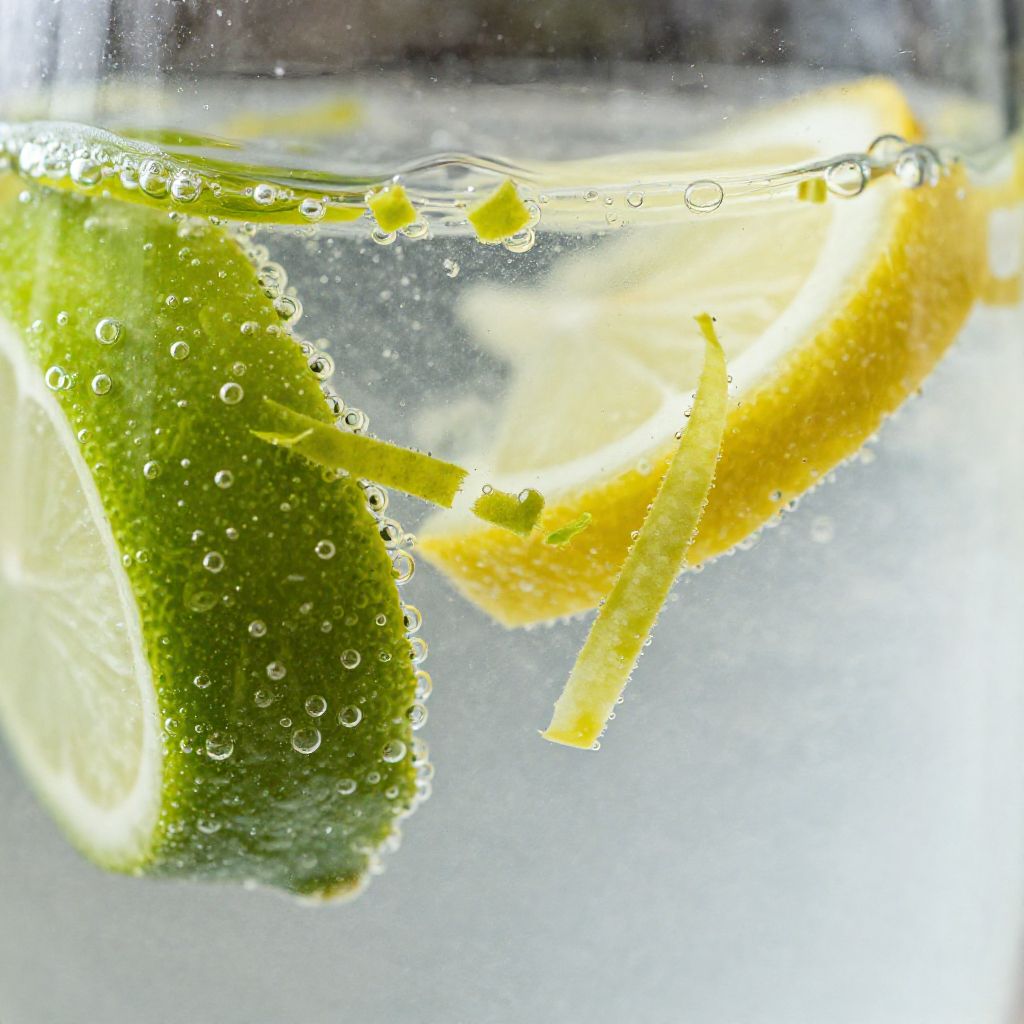
Step 1: Combine Water and Sugar
In a medium saucepan, combine the water and sugar. This mixture creates a base syrup that sweetens the tonic.
Step 2: Heat the Mixture
Place the saucepan over medium heat and stir until the sugar dissolves. This step is crucial to ensure your tonic water has a smooth texture.
Step 3: Add Quinine Powder
Once the sugar is dissolved, add the quinine powder and stir well. This will give the tonic its signature bitter flavor.
Step 4: Incorporate Citric Acid
Add the citric acid to the mixture and stir thoroughly. This ingredient adds a tangy kick that brightens the overall flavor.
Step 5: Add Citrus Zest and Juice
Stir in the lime and lemon zest along with their juices. This step infuses your tonic with refreshing citrus notes.
Step 6: Simmer the Mixture
Bring the mixture to a gentle simmer and let it cook for about 30 minutes. This prolonged cooking extracts flavors and allows the tonic to thicken slightly.
Step 7: Strain the Tonic
Once cooled, strain the tonic through a fine mesh strainer into a glass jar or bottle. This removes any solid bits, ensuring a clear beverage.
Step 8: Store the Tonic Water
Seal the jar or bottle and refrigerate. Homemade tonic water can last up to two weeks, if it lasts that long!
Pro Tip: Make sure to taste your tonic before storing; you can always adjust sweetness or acidity to your liking.
Tips for the Best Tonic Water
- Use fresh citrus for maximum flavor; it really makes a difference!
- Experiment with additional botanicals like rosemary or mint for a unique twist.
- Let the tonic cool completely before storing to avoid condensation in the jar.
- When serving, pair with plenty of ice to keep it refreshing.
- Consider carbonating your tonic for an extra fizzy experience!
Common Mistakes to Avoid
- Skipping the simmering step can result in weak flavor. Take the time to extract those flavors properly.
- Not straining well can lead to a gritty texture. Make sure to strain thoroughly for that smooth drink.
- Using too much sugar can overpower the bitter notes. Balance is key for a well-rounded tonic.
- Forgetting to taste as you go can lead to an unbalanced end product. Adjusting flavors during the process is important.
Serving Suggestions
This tonic water pairs beautifully with a variety of spirits and mixers. Here are some great pairing ideas:
- Classic gin for a refreshing gin and tonic.
- Vodka for a simple, crisp drink.
- Mix with fresh fruit for a fun mocktail.
- Pair with whiskey for a unique twist on a highball.
Variations to Try
- Add fresh herbs like basil or mint for a garden-fresh flavor.
- Incorporate berries like raspberries or blackberries for a fruity touch.
- Include spices like ginger or cardamom for warmth.
- Try adding a splash of your favorite fruit juice for a personalized twist.
Dietary Adaptations
- Gluten-Free: This recipe is naturally gluten-free; no adjustments needed.
- Dairy-Free: It contains no dairy, making it suitable for all diets.
- Vegan/Vegetarian: All ingredients are plant-based and suitable for vegans.
- Low-Carb/Keto: Substitute sugar with a keto-friendly sweetener like erythritol.
Storage and Reheating
Refrigerator
Store your tonic water in the fridge for freshness.
- Keep it in a sealed jar or bottle.
- Use within two weeks for the best flavor.
Freezer
Freezing is not recommended due to the sugar content which can alter the texture.
- Consider making smaller batches if you worry about wastage.
Reheating
This tonic water is served cold and does not require reheating.
- Simply mix with ice for the best experience.
Nutrition Information
| Nutrient | Amount |
|---|---|
| Calories | 35 |
| Total Fat | 0g |
| Saturated Fat | 0g |
| Carbohydrates | 9g |
| Fiber | 0g |
| Sugar | 9g |
| Protein | 0g |
| Sodium | 0mg |
| Cholesterol | 0mg |
This information is an estimate and may vary based on specific ingredients used.
Frequently Asked Questions
Can I substitute the sugar with something else?
Yes, you can use honey or a sugar substitute like stevia or erythritol for a different flavor and fewer calories.
Can I make this tonic water ahead of time?
Absolutely! It can be made a few days in advance and stored in the fridge.
How should I store leftover tonic water?
Keep it in a sealed jar or bottle in the refrigerator for up to two weeks.
What if my tonic water is too bitter?
You can adjust the sweetness by adding more sugar or honey to balance the bitterness.
Can I carbonate this tonic water?
Yes, you can mix it with carbonated water for a fizzy tonic that adds a fun twist.
Final Thoughts
Making your own tonic water is a rewarding experience that brings fresh flavors to your drinks. With this recipe in hand, you’ll impress your friends and enjoy a delicious beverage that you crafted yourself.
So, what are you waiting for? Give this tonic water recipe a try and explore more refreshing beverages like a port tonic or maybe even a homemade ginger beer.
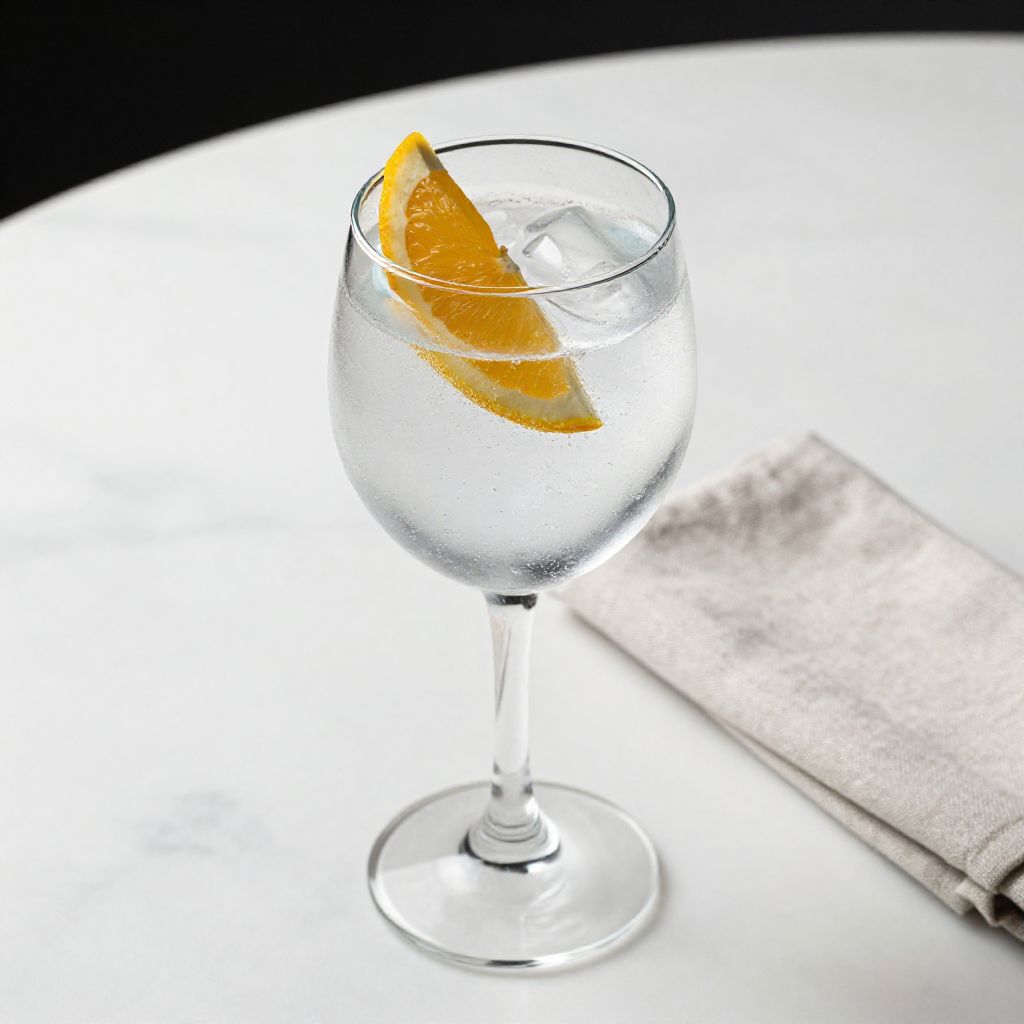
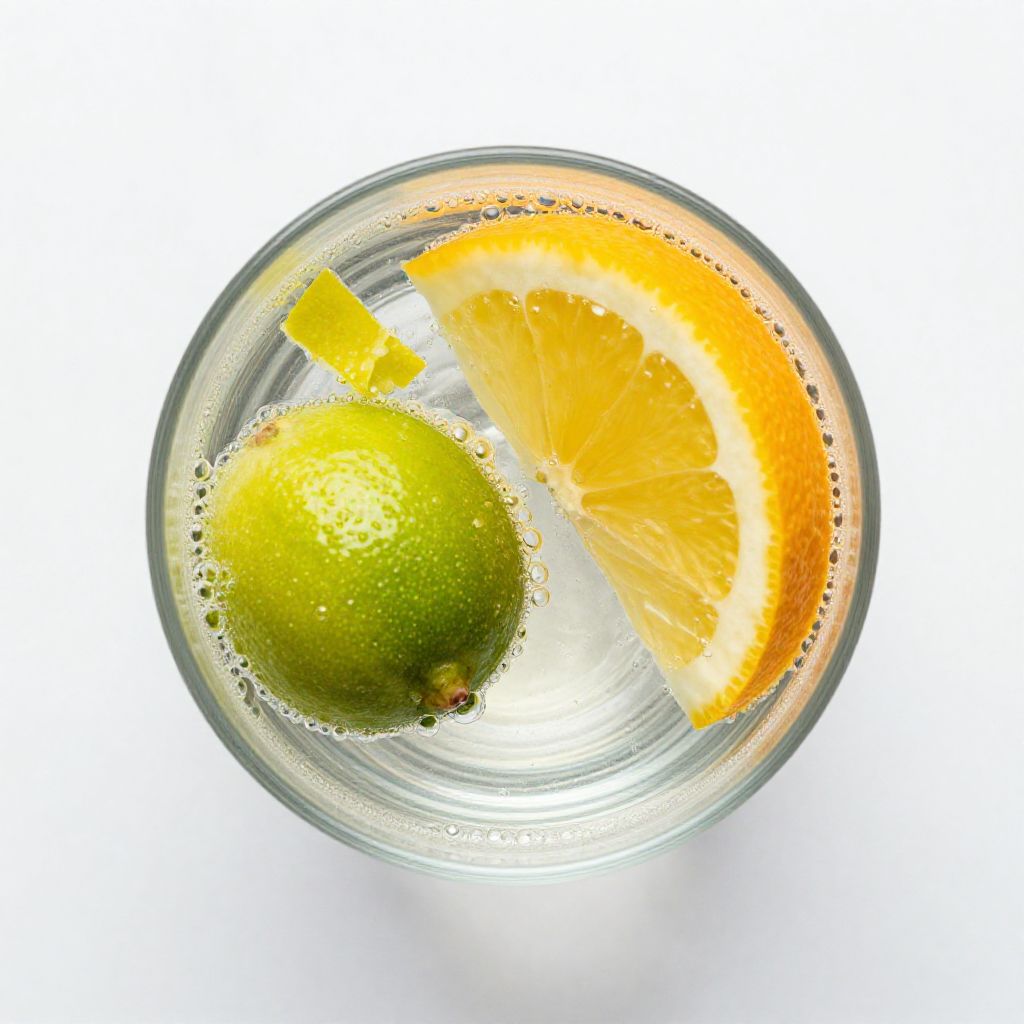
Tonic Water
Ingredients
Equipment
Method
- In a medium saucepan, combine 2 cups of water and 1 cup of sugar to create a base syrup.
- Place the saucepan over medium heat and stir until the sugar dissolves, about 5 minutes.
- Add 1/4 cup of quinine powder to the mixture and stir thoroughly to distribute the bitter flavor.
- Stir in 1 tablespoon of citric acid to add a tangy kick.
- Add the zest and juice of 1 lime and 1 lemon, stirring to infuse the citrus oils and flavors.
- Bring the mixture to a gentle simmer and cook, uncovered, for 30 minutes to extract botanicals and slightly thicken the tonic.
- Allow the syrup to cool, then strain it through a fine mesh strainer into a clean glass jar or bottle to remove solids.
- Seal the jar or bottle and refrigerate. Homemade tonic water can be stored for up to two weeks.