
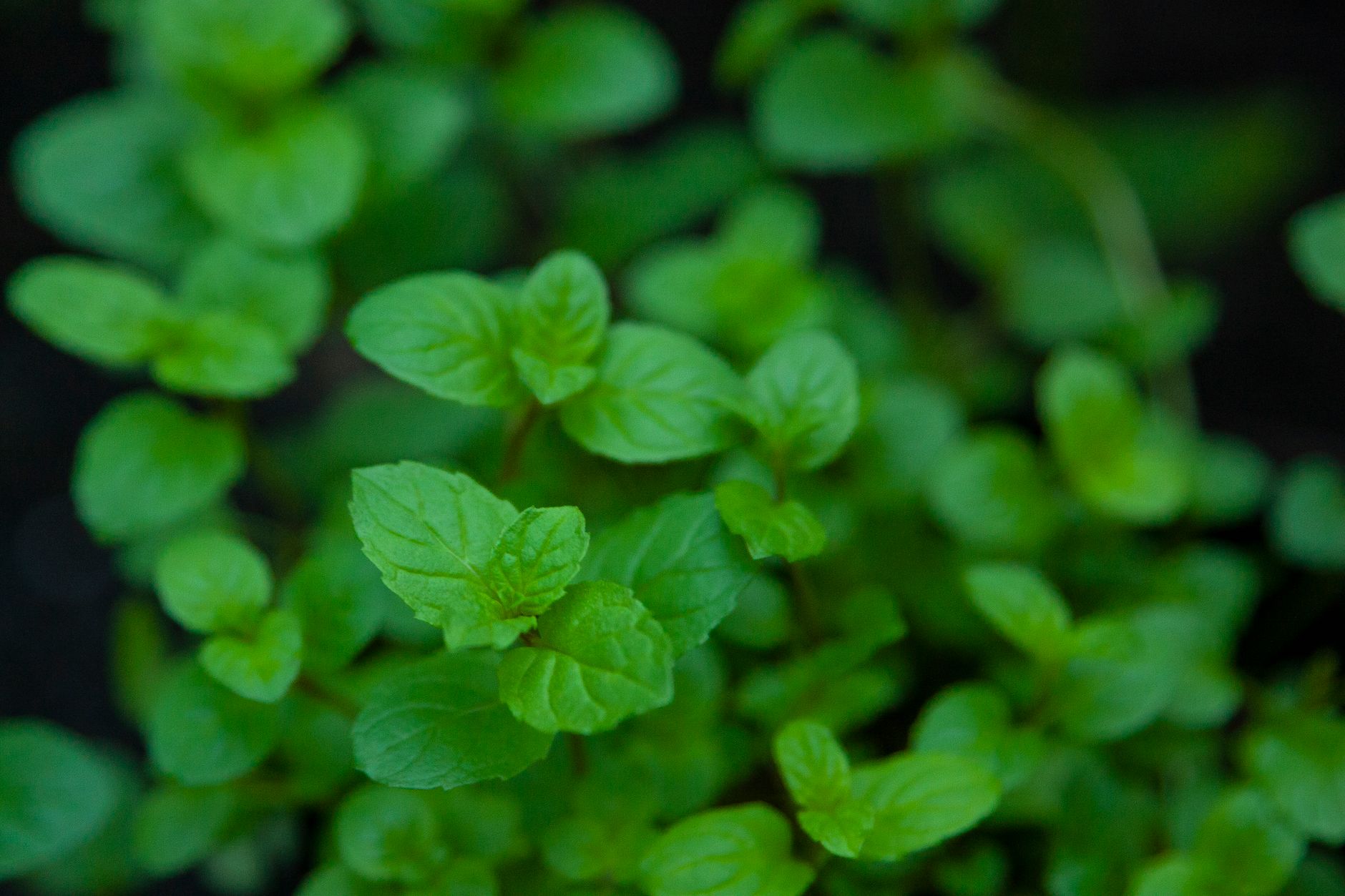
Peppermint’s invigorating aroma and crisp flavor have made it a popular herb in various culinary applications, from desserts to beverages. However, many wonder about its effects on milk supply, particularly for those who are breastfeeding. Understanding this connection is essential for nursing mothers who might be considering peppermint consumption while aiming to maintain or enhance their milk production.
This article delves into the relationship between peppermint and milk supply, exploring scientific research, potential health implications, and practical advice for breastfeeding mothers. Whether you’re a fan of peppermint tea or looking for ways to incorporate the herb into your diet, this guide provides helpful insights on balancing flavor with breastfeeding needs.
Does Peppermint Affect Milk Supply?
Contrary to some common beliefs, there is limited scientific evidence to suggest that peppermint consumption directly impacts milk supply in breastfeeding mothers. While certain herbs are known to either promote or inhibit lactation, peppermint does not have a significant role in influencing the volume of milk produced.
The Science Behind Peppermint
Peppermint (Mentha × piperita) is a hybrid plant that combines watermint and spearmint. It is celebrated not only for its digestive benefits but also for its refreshing taste, often used in teas, candies, and essential oils. The active compounds in peppermint, such as menthol, are thought to contribute to its flavor and potential health benefits.
Effects on the Body
When consumed, peppermint can have a relaxing effect on the muscles of the gastrointestinal tract, which can help reduce symptoms of gas and bloating. For nursing mothers, this property may be beneficial, as digestive discomfort can sometimes coincide with breastfeeding routines.
Though soothing, peppermint lacks conclusive evidence to support its role in increasing or decreasing milk supply. Anecdotal reports exist, but these are not sufficient to warrant a definitive conclusion. Instead, research on specific lactogenic (milk-producing) herbs provides a more reliable understanding of herbs that may affect milk production.
Understanding Lactogenic Herbs
Lactogenic herbs are substances thought to promote milk production in breastfeeding mothers. Some of the most commonly recognized lactogenic herbs include:
- Fenugreek
- Fennel
- Blessed thistle
- Milk thistle
- Alfalfa
These herbs share properties that may stimulate hormonal responses related to lactation. In contrast, peppermint is not traditionally included in this category due to its complex interactions in the body.
Common Misconceptions
There are many myths surrounding the consumption of peppermint and its link to milk supply. Some cultures believe that consuming peppermint may inadvertently inhibit lactation due to its soothing effects. However, without substantial scientific backing, these claims remain speculative.
Another common misunderstanding is that peppermint tea is universally beneficial or harmful for nursing mothers. While individual reactions to foods and herbs may differ, it is crucial to consult healthcare professionals regarding personal dietary choices during breastfeeding.
Expert Opinions on Peppermint and Breastfeeding
Healthcare professionals often encourage breastfeeding mothers to maintain a balanced diet rich in diverse nutrients. While peppermint-infused beverages like tea can be enjoyed in moderation, it’s best to listen to your body and observe how it responds to different ingredients.
Consulting with a lactation consultant or healthcare provider can provide personalized recommendations. They may suggest monitoring milk supply closely when integrating peppermint into your diet, especially in higher amounts.
How to Incorporate Peppermint in Your Diet
If you’re interested in enjoying peppermint without concerns regarding milk supply, there are numerous ways to incorporate it into your diet. Here are some practical tips:
- Peppermint Tea: Brew herbal peppermint tea for a refreshing beverage that aids digestion. Limit consumption to moderate amounts, especially if you notice any adverse effects.
- Peppermint in Cooking: Use fresh or dried peppermint leaves in salads, dressings, or marinades to add flavor without the need for large quantities.
- Minty Smoothies: Blend fresh peppermint leaves into smoothies for a cooling effect. Balance the flavor with other fruits to create a delicious treat.
- Peppermint in Desserts: Incorporate peppermint extract in cookies, brownies, or ice creams. Use sparingly to achieve the desired flavor without overwhelming other ingredients.
Practical Considerations
While peppermint can be part of a balanced diet for breastfeeding mothers, moderation is key. Pay attention to individual tolerance, and if you experience changes in milk supply or discomfort, make adjustments. Tracking dietary changes through a food diary might help identify any potential triggers.
Other Considerations for Milk Supply
In addition to herbs, various factors can influence milk supply for breastfeeding mothers. Here are essential considerations:
- Hydration: Staying well-hydrated is crucial for milk production. Aim to drink plenty of water throughout the day.
- Nutrition: A well-rounded diet rich in whole grains, fruits, vegetables, lean proteins, and healthy fats supports lactation. Nutrient-dense foods can make a difference in milk supply.
- Frequent Feeding: The more frequently you breastfeed or pump, the more stimulation your body receives to produce milk. Responsive feeding helps establish and maintain supply.
- Stress Management: High levels of stress may negatively affect milk supply. Incorporating relaxation techniques such as yoga or meditation can be beneficial.
Consultation with Healthcare Providers
Every breastfeeding journey is unique, so working closely with healthcare professionals can help determine effective strategies for maintaining milk supply. Lactation consultants can offer specialized advice tailored to individual needs.
Conclusion
While peppermint is a delightful herb with many culinary uses, its effects on milk supply remain largely inconclusive. Moderate consumption can be part of a healthy diet for breastfeeding mothers, but it is essential to monitor individual reactions and consult healthcare providers for personalized guidance. If you’re seeking to enhance your lactation journey, focusing on hydration, nutrition, and stress management will provide you with the best support.
Given the nuanced relationship between food and milk supply, exploring various recipes and cooking techniques can help you create tasty, nutritious meals. Check out our peppermint mocha coffee recipe or enjoy a festive candy cane martini recipe to bring some peppermint flavor into your routine! Explore these delicious options and nurture your taste buds.