
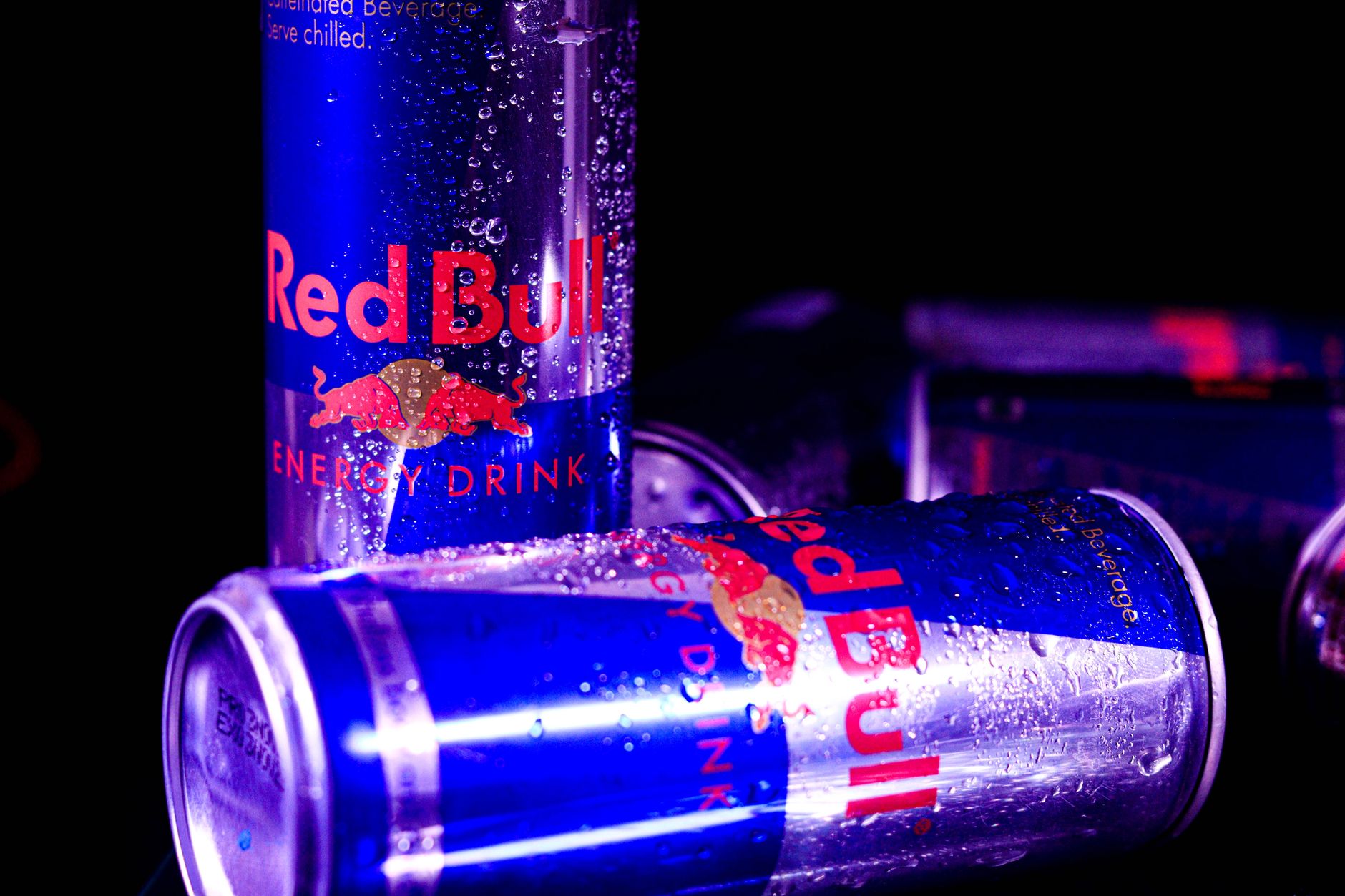
Caffeine consumption during pregnancy raises important questions about what is safe for both the expecting mother and the developing fetus. A common concern is whether energy drinks, which often contain high levels of caffeine and other stimulants, are safe to consume during these months.
This article will explore the effects of energy drinks, the recommended caffeine limits during pregnancy, and provide alternatives that are safer and still invigorating.
Can You Drink Energy Drinks When Pregnant?
While there is no definitive answer that fits everyone, it is generally advised to limit caffeine intake during pregnancy. Health experts recommend that pregnant women should consume no more than 200 mg of caffeine per day, which can be easily exceeded with just one energy drink.
The Ingredients of Energy Drinks
Energy drinks come with an array of ingredients, many of which can have concerning effects during pregnancy. The primary components include:
- Caffeine: Found in coffee, tea, and many sodas, caffeine is a central nervous system stimulant.
- Taurine: Often included for its supposed energy-boosting properties, its effects during pregnancy aren’t well studied.
- Ginseng: Sometimes included for its potential to enhance mental performance, it’s not recommended during pregnancy.
- Guarana: A plant extract high in caffeine, guarana can contribute to overall caffeine intake.
- Vitamins and Sugars: Many energy drinks contain added sugars and various vitamins, which can lead to other health concerns such as gestational diabetes.
The Caffeine Content in Energy Drinks
The caffeine content in energy drinks can vary widely. While a typical cup of coffee contains approximately 95 mg of caffeine, energy drinks can range from 50 mg to over 500 mg per serving. It is crucial to check the label for specific caffeine content.
Recommendations from Health Organizations
Health organizations, including the American College of Obstetricians and Gynecologists (ACOG), suggest that pregnant individuals limit their caffeine intake. A daily limit of 200 mg is commonly recommended to reduce the risk of miscarriage, preterm birth, and low birth weight.
Potential Risks of Consuming Energy Drinks During Pregnancy
Consuming energy drinks while pregnant poses several potential risks:
- Increased Heart Rate: Caffeine acts as a stimulant, which can lead to a higher heart rate for both the mother and fetus.
- Dehydration: Caffeine can contribute to dehydration, especially if not counterbalanced with sufficient water intake.
- Increased Stress Hormones: High caffeine intake may elevate cortisol levels, potentially affecting fetal development.
- Gestational Diabetes: Sugary energy drinks increase the risk of developing gestational diabetes due to their high sugar content.
What Happens If You Consume Too Much Caffeine?
Exceeding the recommended caffeine intake may lead to various complications including:
- Increased risk of miscarriage.
- Potential for developmental delays in children.
- Low birth weight babies, which can lead to various health issues.
Safer Alternatives to Energy Drinks During Pregnancy
If you’re looking for a boost of energy without the risks associated with energy drinks, consider these alternatives:
- Herbal Teas: Non-caffeinated herbal teas like ginger or peppermint can help with nausea and increase hydration.
- Fruit Smoothies: Blending fruits with yogurt or almond milk can provide a nutritional energy boost without excess sugar.
- Decaffeinated Coffee or Tea: These options can satisfy your craving without exceeding caffeine limits.
- Protein-Rich Snacks: Foods like nuts or yogurt can offer sustained energy levels.
- Hydration with Electrolytes: Coconut water or electrolyte drinks that are caffeine-free can help maintain energy and hydration.
How to Choose the Right Drinks During Pregnancy
When selecting beverages during pregnancy, consider the following:
- Read Labels: Always check the caffeine content and other ingredients on the label.
- Seek Natural Options: Choose beverages that are less processed and contain whole ingredients.
- Limit Sugar: Select options that are lower in sugars to reduce the risks of gestational diabetes.
Common Misconceptions About Energy Drinks
There are several common misconceptions surrounding energy drinks that warrant clarification:
- Energy drinks are not equivalent to coffee; they often contain additional stimulants and large amounts of sugar.
- Pregnancy cravings can lead some women to think that energy drinks are safe; however, their adverse effects remain.
- Some believe that consuming only one energy drink is harmless, but it often exceeds the recommended caffeine limit.
What to Do if You Consumed Energy Drinks Before Knowing You Were Pregnant
If you have consumed energy drinks prior to realizing you were pregnant, it’s crucial not to panic. The best approach is to:
- Consult Your Healthcare Provider: Discuss your intake with your doctor or midwife.
- Focus on Healthy Choices: Switch to safer beverage options moving forward.
- Monitor Your Health: Be alert to any changes in your health or fetal development.
Getting Your Energy from Food
Making smart food choices can significantly impact your energy levels during pregnancy. Here are some beneficial foods to consider:
- Oatmeal: Slow-releasing carbohydrates that provide lasting energy throughout the morning.
- Leafy Greens: Spinach and kale are packed with iron and can combat fatigue.
- Lean Protein: Incorporating chicken, fish, or beans can provide much-needed protein and energy.
- Whole Grains: Choose whole grain bread, rice, and pasta for sustained energy release.
Creating Your Own Energizing Beverage
For those who miss the boost of energy drinks, consider crafting your own healthier alternatives. Here’s a simple recipe to create a refreshing and energizing smoothie:
Homemade Mango-Banana Energy Smoothie
This smoothie is rich in vitamins and minerals while providing natural energy without the caffeine rush.
- Ingredients:
- 1 ripe banana
- 1 cup frozen mango chunks
- 1 cup spinach (optional)
- 1 cup almond milk or yogurt
- 1 tablespoon of honey (if desired for sweetness)
- Ice cubes
Instructions:
- Place all the ingredients into a blender.
- Blend until smooth, adding ice for a thicker texture if desired.
- Taste and adjust sweetness with honey if necessary.
- Pour into a glass and enjoy immediately.
Conclusion
While the tempting variety of energy drinks is widely available, it is generally advisable for pregnant women to refrain from consuming them due to the potential risks associated with high caffeine and sugar intake. There are healthier, safer alternatives that can provide the necessary energy without compromising the health of mother and baby.
For a refreshing take, try creating your own energy-boosting smoothie, or explore nutritious, whole foods to maintain energy levels throughout your pregnancy. Remember to consult your healthcare provider for personalized advice that pertains to your situation.
Explore more tips on healthy beverages with our date smoothie recipe during pregnancy or whip up a lactation smoothie recipe to keep energized after your baby arrives!