
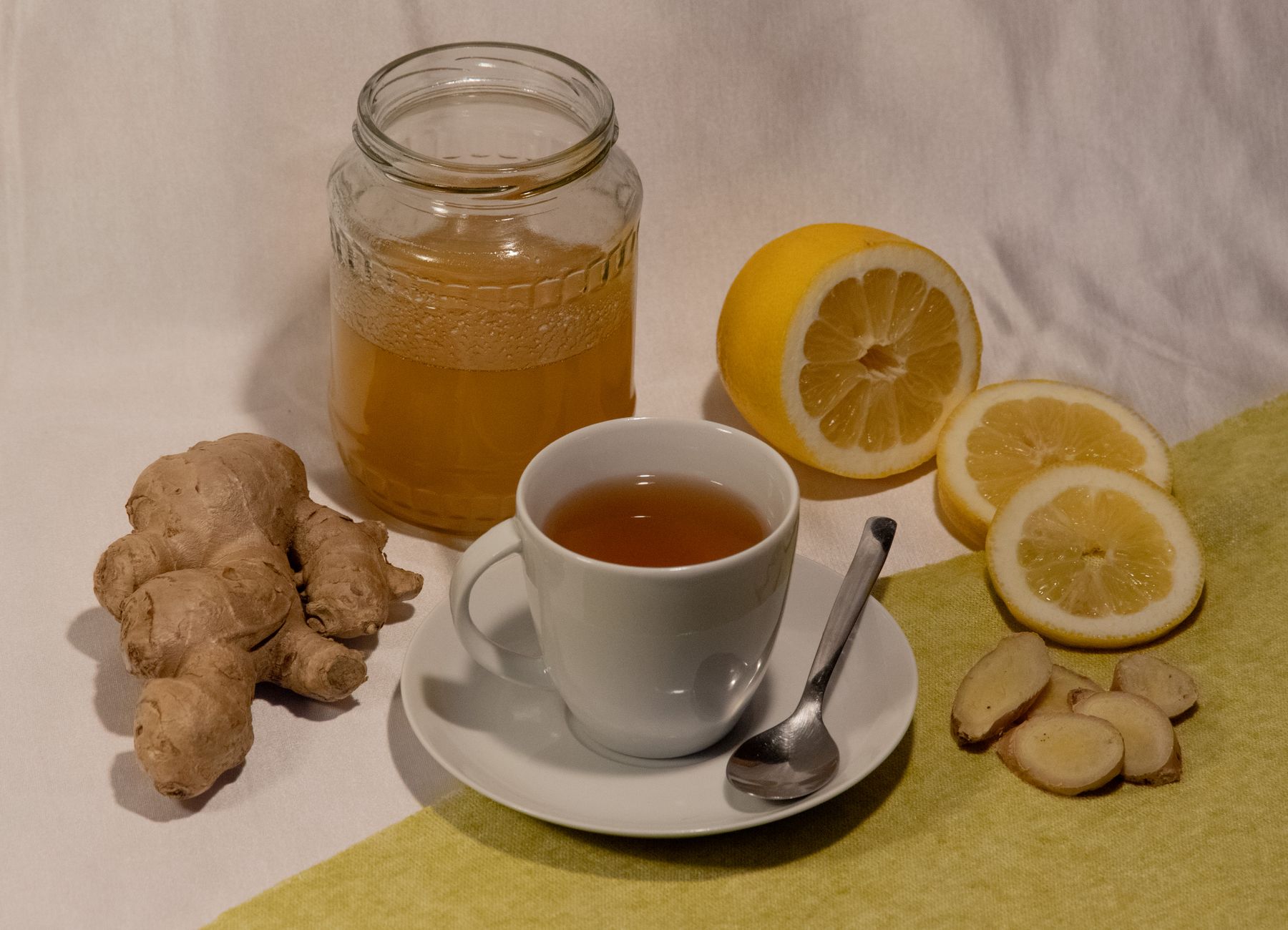
Ginger lemon tea is a popular beverage enjoyed by many around the world, celebrated for its unique flavor and potential health benefits. This delightful combination comes from steeping fresh ginger root and lemons, offering a refreshing drink that can be enjoyed hot or cold.
In this article, we will explore the nutritional aspects of ginger lemon tea, its potential health benefits, and considerations to keep in mind when incorporating it into your diet. Whether you are new to this drink or looking to reinforce your love for it, let’s dive into why ginger lemon tea could be a beneficial addition to your daily routine.
Is Ginger Lemon Tea Good For You?
Yes, ginger lemon tea is generally considered good for you. It combines the anti-inflammatory properties of ginger with the vitamin C and antioxidants found in lemons, offering numerous health benefits, including digestive support and immune system enhancement.
What Are the Benefits of Ginger Lemon Tea?
Ginger lemon tea is known for its range of potential health benefits. Here are some of the primary reasons why you might want to make this aromatic drink a staple in your diet:
1. Boosts Immunity
The high vitamin C content found in lemons is well known for its role in strengthening the immune system. Ginger also contains antioxidants that can help protect your body against infections, making this tea a great choice, especially during cold and flu season.
2. Aids Digestion
Both ginger and lemon have been traditionally used to alleviate digestive issues. Ginger helps stimulate saliva, bile, and gastric juices, while lemon can help balance stomach acidity and promote digestion.
3. Anti-inflammatory Properties
Ginger is recognized for its anti-inflammatory effects, which may reduce pain and discomfort in conditions such as arthritis or muscle soreness. The combination with lemon can enhance these effects, contributing to overall well-being.
4. Supports Weight Management
Drinking ginger lemon tea may support weight management efforts, as both ginger and lemon are believed to have metabolism-boosting properties. This tea can also serve as a low-calorie alternative to sugary drinks.
5. Promotes Hydration
Staying hydrated is essential for overall health. Ginger lemon tea can be a delicious way to increase your fluid intake, particularly if you find plain water the same monotonous taste.
How to Make Ginger Lemon Tea
Making ginger lemon tea at home is straightforward and requires minimal ingredients. Below, we outline a simple method to prepare this refreshing beverage.
Ingredients
- 1 inch fresh ginger root, peeled and sliced thinly
- 1 medium lemon
- 2 cups water
- Honey or sweetener (optional, to taste)
Essential Equipment
- Small pot
- Knife and cutting board
- Measuring cups
- Strainer (optional)
- Cup or mug for serving
Instructions
- Start by boiling 2 cups of water in a small pot over medium heat.
- While the water is heating, peel and slice the ginger into thin pieces.
- Once the water has reached a rolling boil, add the sliced ginger to the pot.
- Reduce the heat to low and let the ginger simmer for about 10 minutes. This allows the flavors to infuse into the water.
- After 10 minutes, remove the pot from heat and allow it to cool slightly.
- Meanwhile, cut the lemon in half. Squeeze the juice from one half of the lemon into the tea, adjusting the amount to taste.
- If desired, add honey or a sweetener to the tea at this stage.
- Strain the tea (optional) into a cup or mug and garnish with a lemon slice for presentation.
- Enjoy hot or chill it in the refrigerator for a refreshing iced tea variation!
Nutrition Facts of Ginger Lemon Tea
The nutritional content of ginger lemon tea can vary based on the quantities used and any added sweeteners. However, it is generally low in calories and high in beneficial nutrients.
A cup of ginger lemon tea without added sweetener typically contains:
- Calories: 10
- Vitamin C: 40% of the Daily Value (DV) from lemon
- Magnesium: 1.5% of the DV from ginger
- Antioxidants from both ginger and lemon
Common Mistakes and Troubleshooting
While preparing ginger lemon tea is simple, a few common mistakes can alter the taste or effectiveness of the drink:
1. Over-boiling Ginger
Allowing the ginger to boil for too long can lead to a bitter taste. Aim for about 10 minutes of simmering for optimal flavor.
2. Not Straining Properly
If you skip straining the tea, you may end up with clumps of ginger that can be unappetizing. Use a fine mesh strainer when pouring the tea into your cup.
3. Using Bottled Lemon Juice
Fresh lemon juice significantly enhances the flavor, while bottled lemon juice can have added preservatives and artificial flavors that detract from the drink.
Variations and Substitutions
Ginger lemon tea can be easily customized. Here are a few variations and substitutions to consider:
1. Adding Herbal Ingredients
Consider adding herbs like mint or basil for a refreshing twist. Both herbs bring additional flavor and health benefits, including aiding digestion.
2. Infusing Other Fruits
Fruits like pineapple, oranges, or berries can add depth and sweetness to your tea. Try experimenting by adding slices or muddling the fruit directly into the tea.
3. Splenda or Stevia
If you wish to keep the tea calorie-free, consider using stevia or Splenda as a sweetener instead of honey.
4. Turmeric: Adding a pinch of turmeric can enhance health benefits even further, particularly its anti-inflammatory properties.
Serving Suggestions
Ginger lemon tea can stand alone as a revitalizing beverage or accompany meals and snacks. Here are some suggestions:
- Serve it alongside light lunches, such as salads or sandwiches, to cleanse the palate.
- Pair it with breakfast items like oatmeal, granola, or yogurt for a refreshing start to the day.
- Drink it during afternoon tea with healthy snacks like scones, fruit, or crackers.
Storage and Reheating
While ginger lemon tea is best enjoyed fresh, it can be stored for later use. Here are some tips:
Storage
Store leftover ginger lemon tea in an airtight container in the refrigerator for up to 3 days. Be sure to strain out the ginger pieces to maintain flavor and freshness.
Reheating
When reheating, do so gently on the stove or in the microwave. Avoid boiling it again to prevent bitterness from the ginger.
Considerations and Final Thoughts
While ginger lemon tea is beneficial for many, some individuals should be cautious. People taking certain medications, especially blood thinners, should consult a healthcare provider before consuming ginger in significant amounts.
Pregnant women should also limit ginger intake to moderate levels due to its potential effects. It is always advisable to consult with a healthcare professional if unsure.
Incorporating ginger lemon tea into your daily regimen can promote overall health and hydration. With its wide range of benefits, great taste, and easy preparation, it is a beverage worth making a regular practice.
Now that you know the potential benefits and how to prepare ginger lemon tea, why not give it a try? It’s not just a drink; it’s a simple step towards better health.
Explore more delightful recipes and helpful cooking tips, such as ginger lemon honey tea and lemon ginger water.