
There’s something magical about steeping fresh ginger, bright lemon, and golden honey together on a chilly morning. This ginger lemon honey tea tastes like a warm hug from someone who genuinely cares about your wellbeing.
This recipe shines because it takes five minutes to make, uses ingredients you probably have on hand, and delivers real comfort without any fuss. The combination of spicy ginger, tangy lemon, and soothing honey creates a flavor profile that works equally well when you’re fighting a cold, managing stress, or simply craving something nourishing.
Why You’ll Love This Recipe
This tea hits a sweet spot between simplicity and sophistication. You get a naturally energizing drink that tastes indulgent without any processed ingredients or complicated techniques.
- Ready in under 10 minutes from start to finish
- Naturally anti-inflammatory thanks to fresh ginger and lemon
- Customizable to your taste preferences and spice tolerance
- Perfect for sipping throughout the day or sharing with guests
- Budget-friendly when using ingredients you already stock
My Experience Making This Recipe
I first made this tea during a particularly stressful week when I needed something to anchor my mornings. The warm mug in my hands and that bright, spicy aroma made me slow down instantly.
What surprised me most was how satisfied I felt after drinking it. My throat felt soothed, my energy lifted, and I genuinely looked forward to making it again the next day. Now I keep fresh ginger and lemons stocked specifically so I can whip this up whenever the mood strikes.
I’ve served it to friends dealing with sore throats and to family members who just wanted something warming on rainy afternoons. Everyone asks for the recipe, and everyone is shocked at how few ingredients go into something this delicious and restorative.
Recipe Overview
- Recipe Name: Ginger Lemon Honey Tea
- Servings: 2
- Prep Time: 5 minutes
- Cook Time: 5 minutes
- Total Time: 10 minutes
- Course: Beverage
- Cuisine: Herbal/International
- Calories per Serving: 85
Equipment You Will Need
- Small saucepan or kettle
- Knife and cutting board
- Microplane grater or box grater
- Spoon for stirring
- Strainer or fine mesh sieve
- Two mugs or tea cups
- Measuring spoons
Ingredients for Ginger Lemon Honey Tea
- Water: 2 cups
- Fresh ginger: 1 tablespoon (grated or thin slices)
- Fresh lemon: 1/2 lemon, juiced
- Raw honey: 1 to 2 tablespoons (adjust to taste)
- Sea salt: Pinch (optional, enhances flavor)
Ingredient Notes and Substitutions
- Fresh ginger: Ginger contains gingerol, a natural compound that soothes inflammation and aids digestion. If you only have ground ginger, use 1/4 teaspoon instead, though fresh delivers more depth and complexity.
- Fresh lemon: Lemon juice provides vitamin C and brightness that masks any sharpness in raw ginger. Bottled lemon juice works in a pinch but tastes noticeably flatter and less vibrant.
- Raw honey: Honey adds natural sweetness and carries antimicrobial properties that heat can diminish. Maple syrup or agave provide similar sweetness, but honey’s unique floral notes complement ginger and lemon best.
- Sea salt: A tiny pinch brings out the tea’s natural flavors and rounds out sharp edges. You won’t taste salt directly, but it deepens the overall profile beautifully.
How to Make Ginger Lemon Honey Tea
Step 1: Measure and Prepare Your Water
Pour 2 cups of fresh, cold water into your saucepan or kettle. Using filtered water prevents mineral buildup and allows the delicate ginger and lemon flavors to shine without interference.
Step 2: Bring Water to a Boil
Place the saucepan over high heat and bring the water to a rolling boil. You’ll know it’s ready when you see consistent bubbles breaking the surface rapidly.
Step 3: Prepare the Fresh Ginger
While the water heats, peel a 1-inch section of fresh ginger root with the back of a spoon or a vegetable peeler. Grate it finely using a microplane grater, or slice it thinly if you prefer larger pieces that infuse more gradually.
Step 4: Juice Your Lemon
Cut your half lemon into smaller pieces and juice it into a small bowl or directly into your mug. Rolling the lemon on the counter with firm pressure before cutting helps release more juice from the flesh.
Step 5: Add Ginger to Boiling Water
Once the water reaches a boil, add your grated or sliced ginger and remove from heat immediately. Boiling ginger actually mellows its spicy bite slightly and releases its warming compounds into the water, but you don’t want it simmering so long that the flavor becomes one-dimensional.
Step 6: Steep the Ginger
Let the ginger steep in the hot water for 3 to 4 minutes, depending on how spicy you want your tea. Longer steeping creates a stronger, more assertive ginger flavor, while shorter steeping gives you something more delicate.
Step 7: Strain the Tea
Pour the tea through a fine mesh strainer into your prepared mug with the lemon juice, leaving the ginger pieces behind. If you like a less intense ginger flavor, strain after 2 minutes; if you want maximum warmth and spice, strain after 5 minutes.
Step 8: Add Honey and Salt
Stir in 1 to 2 tablespoons of raw honey and a pinch of sea salt while the tea is still steaming hot. The heat allows the honey to dissolve completely and distribute evenly, creating a smooth, unified sweetness rather than pockets of undissolved honey at the bottom.
Pro Tip: Never add honey to boiling water or extremely hot tea, or you’ll destroy its delicate enzymes and health benefits. Wait until the tea cools to around 140 degrees Fahrenheit (roughly 60 degrees Celsius) before stirring in your honey.
Tips for the Best Ginger Lemon Honey Tea
- Use the freshest ginger you can find, with tight, unblemished skin and no soft spots. Older ginger becomes fibrous and less flavorful, diluting your tea’s impact.
- Store ginger in the freezer and grate it from frozen for easier handling and longer shelf life. Frozen ginger actually grates more smoothly and remains fresh for months.
- Squeeze your lemon just before making tea rather than ahead of time, since lemon juice oxidizes and loses brightness when exposed to air. Fresh-squeezed juice makes a noticeable difference in flavor clarity.
- Taste your tea after adding one tablespoon of honey, then add more if needed rather than dumping in two tablespoons at once. Everyone’s sweetness preference differs, and it’s easier to add than to dilute.
- Serve this tea immediately while it’s still steaming for maximum aromatics and warmth. The smell is half the experience, and it fades as the tea cools.
Common Mistakes to Avoid
- Steeping ginger for too long turns the tea bitter and overly spicy, making it harsh rather than comforting. Stick to 3 to 5 minutes maximum unless you specifically want an intense flavor.
- Using pre-bottled lemon juice instead of fresh robs the tea of its bright, clean flavor and adds a stale chemical taste that overpowers the ginger’s natural warmth.
- Adding honey to actively boiling water destroys its beneficial enzymes and creates a thin, separated texture rather than a smooth sweetness. Wait for the tea to cool slightly.
- Skipping the salt entirely means missing out on the ingredient that rounds out and amplifies the other flavors without adding saltiness you can taste. A tiny pinch makes all the difference.
- Forgetting to peel the ginger means bits of bitter skin floating in your cup and a less refined texture overall. Peel generously.
Serving Suggestions
Serve this tea hot and fresh, ideally in a warm mug that keeps your hands comfortable while you sip. You can also chill it overnight and serve it over ice for a refreshing cold version during warmer months.
- Pair with buttered toast or simple shortbread cookies for an afternoon pick-me-up
- Serve alongside chicken broth or a light soup for a complete wellness meal
- Offer to guests with fresh fruit, honey cakes, or almond biscuits
- Enjoy before bed if your ginger is mild, as it aids digestion without the caffeine jolt
- Gift homemade ginger slices and honey to friends who can steep their own version
Variations to Try
- Spiced Ginger Tea: Add a cinnamon stick, 2 whole cloves, and 1 star anise pod during steeping for warmth and complexity that transforms the tea into something more like mulled cider.
- Turmeric Wellness Tea: Mix in 1/4 teaspoon of turmeric along with the ginger for anti-inflammatory boost and an earthy undertone that deepens the flavor profile.
- Herbal Infusion: Add a chamomile or green tea bag during steeping to create a hybrid that’s both soothing and gently energizing, depending on which tea you choose.
- Spicy Kick Version: Stir in a pinch of cayenne pepper after steeping for a throat-warming heat that lingers pleasantly on your palate.
- Coconut Cream Latte: Whisk in 2 tablespoons of coconut milk or cream for richness that softens the ginger’s sharp edges and creates a dessert-like quality.
Dietary Adaptations
- Gluten-Free: This recipe is naturally gluten-free as written, since ginger, lemon, and honey contain no gluten. Serve with gluten-free biscuits or bread if desired.
- Dairy-Free: The base recipe contains no dairy, so it’s already dairy-free and vegan-friendly as written.
- Vegan: Substitute maple syrup or agave nectar for honey in equal amounts to keep the tea fully plant-based. The flavor shifts slightly toward a more mineral sweetness, but the warmth remains.
- Low-Carb/Keto: Use stevia or monk fruit sweetener instead of honey to keep carbs under 1 gram per serving. The flavor profile changes slightly, but the soothing effect remains intact.
Storage and Reheating
Refrigerator
Store leftover brewed tea in an airtight glass container for up to 3 days. The ginger flavor intensifies as it sits, creating a stronger brew on day two or three.
- Reheat gently on the stovetop over low heat rather than microwaving to preserve delicate flavors
- Add fresh lemon juice and honey again if the flavors taste muted after storage
Freezer
You can freeze brewed ginger tea in ice cube trays for up to 3 months, then thaw and reheat as needed. This works especially well if you make big batches.
- Thaw overnight in the refrigerator, then reheat gently
- Use frozen cubes to cool hot tea quickly or to add to cold water for instant iced tea
Reheating
Reheat chilled or room-temperature tea over low to medium heat on the stovetop, stirring occasionally until steaming. Avoid microwaving, which can create uneven heat spots and diminish the aromatic qualities.
- Reheat only the amount you plan to drink immediately
- Never bring previously brewed tea back to a rolling boil, as this damages delicate flavors
Nutrition Information
| Nutrient | Amount |
|---|---|
| Calories | 85 |
| Total Fat | 0g |
| Saturated Fat | 0g |
| Carbohydrates | 22g |
| Fiber | 0g |
| Sugar | 20g |
| Protein | 0g |
| Sodium | 20mg |
| Cholesterol | 0mg |
Nutrition values are estimates based on standard ingredients and assume 1.5 tablespoons of honey per serving. Actual values vary depending on your specific honey brand and how much ginger you use.
Frequently Asked Questions
Can I use powdered ginger instead of fresh ginger?
You can, but the result tastes noticeably flatter and less vibrant. Use 1/4 teaspoon of powdered ginger for every tablespoon of fresh, since powdered versions concentrate during drying.
How long can I store fresh ginger before using it?
Fresh ginger keeps for 2 to 3 weeks in the refrigerator’s vegetable drawer, or up to 3 months in the freezer. Frozen ginger actually grates more smoothly and stays fresher longer than refrigerated ginger.
Is this tea safe to drink daily?
Yes, this tea is safe for daily consumption for most people. If you have a bleeding disorder or take blood thinners, consult your doctor before consuming large amounts of fresh ginger regularly.
Can I make a big batch and reheat it throughout the week?
You can make a batch and store it in the refrigerator for 3 days maximum, then reheat individual portions gently on the stovetop. The ginger flavor intensifies over time, so day three tastes quite different from day one.
What’s the difference between using honey at the end versus during steeping?
Adding honey at the end preserves its enzymes and creates a cleaner sweetness. Adding it during steeping dissolves it fully but loses some delicate properties that make raw honey special.
Can I add other citrus like lime or orange instead of lemon?
Lime creates a tropical, sharper version that’s equally delicious but shifts the flavor profile significantly. Orange makes the tea sweeter and rounder, losing some of the brightness that makes lemon perfect here.
Final Thoughts
This ginger lemon honey tea deserves a spot in your regular rotation because it’s genuinely nourishing without feeling like medicine. You spend five minutes making something that tastes far more complicated and intentional than the effort requires.
Give this recipe a try next time you need comfort in a mug, whether that’s during cold season, stressful days, or simply because the weather calls for something warm. Once you taste how good homemade tea can be, you’ll never reach for an instant packet again.
Explore More Tea Recipes
If you enjoyed this warming tea, you might also love exploring other herbal infusions that support your wellness routine and bring joy to your daily rituals.
Try making chaga tea for a completely different earthy experience, or check out this sore throat tea recipe when you need targeted throat support. Both offer similar comfort in different flavor directions.
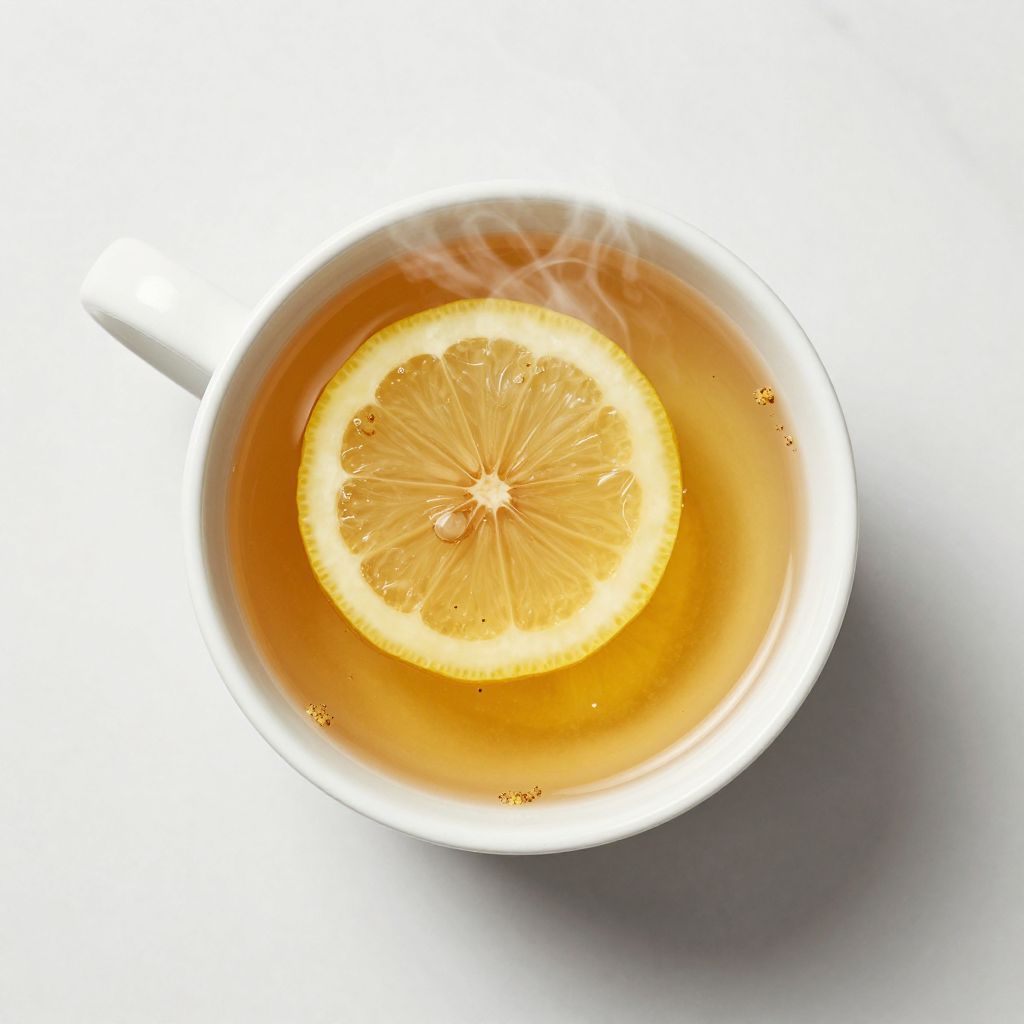
Ginger Lemon Honey Tea
Ingredients
Equipment
Method
- Pour 2 cups of cold water into a small saucepan or kettle.
- Bring the water to a rolling boil over high heat, about 5 minutes.
- While the water heats, peel and grate 1 tablespoon of fresh ginger.
- Cut half a lemon, juice it, and set aside.
- Once boiling, remove the pan from heat and add the grated or sliced ginger.
- Cover and let the ginger steep for 3 to 4 minutes, depending on desired spiciness.
- Strain the tea through a fine mesh sieve into two mugs, discarding the ginger solids.
- When the tea has cooled slightly to about 60°C, stir in 1 to 2 tablespoons of raw honey and a pinch of sea salt to taste.