
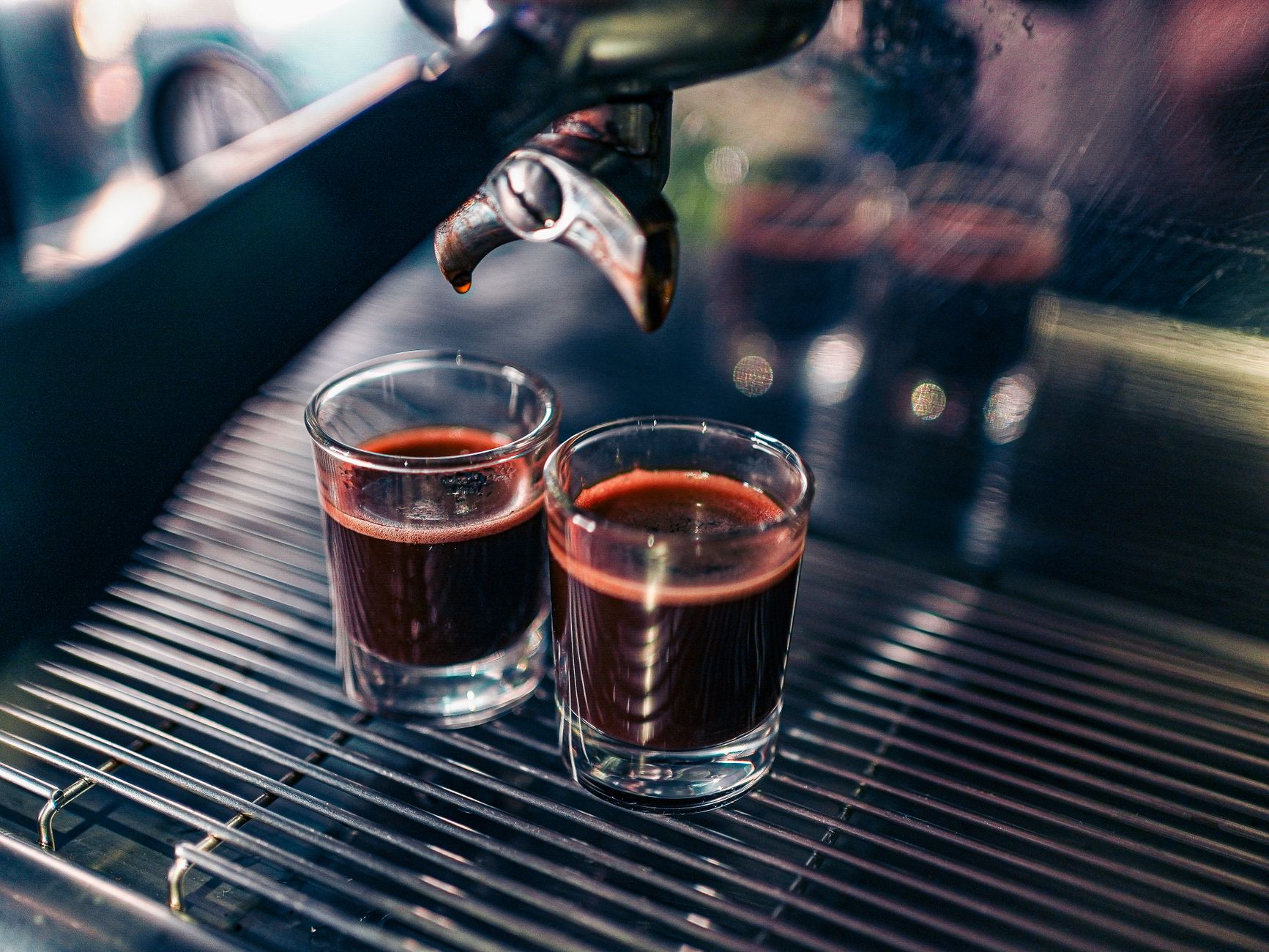
Espresso is more than just a beverage; it’s a staple in many coffee menus around the world. Often associated with rich flavors and a strong kick, it beckons those seeking a quick energy boost or a sophisticated addition to their coffee drinks. But how much caffeine is actually in a couple of shots of espresso? This article delves into the caffeine content of espresso, specifics of serving sizes, and more.
Understanding the caffeine content in espresso is essential for both coffee enthusiasts and those who are mindful of their caffeine intake. This guide will not only clarify how much caffeine you can expect in two shots of espresso but also examine factors that could affect this number, preparation methods, and tips for enjoying your espresso experience.
How Much Caffeine Is In 2 Shots Espresso?
Two shots of espresso typically contain about 80 to 100 milligrams of caffeine. This range can vary based on several factors including the type of coffee beans used, the brewing method, and even the serving size of the shots being served.
Understanding Espresso
Espresso, steeped in Italian coffee culture, is a concentrated form of coffee brewed by forcing hot water through finely-ground coffee beans. This process extracts not only the coffee’s caffeine but also its rich flavor and aromatic compounds. The result is a small, but potent shot of coffee, typically served in 1-ounce (30 mL) servings.
Caffeine Content Breakdown
- Single Shot of Espresso: Approximately 40-50 mg of caffeine.
- Double Shot of Espresso (2 shots): Approximately 80-100 mg of caffeine.
- Variations: Some specialty coffees may contain even more caffeine due to different brewing techniques or coffee blends.
Factors That Influence Caffeine Levels in Espresso
Several factors can affect the caffeine content in espresso, including:
- Type of Coffee Beans: Arabica beans generally contain less caffeine than Robusta beans. If you prefer a stronger espresso, look for blends that contain Robusta.
- Grind Size: Finer grounds can lead to a stronger extraction, potentially increasing caffeine levels in the final brew.
- Brew Time: The longer the water is in contact with the coffee, the more caffeine is extracted. However, espresso is brewed quickly, limiting this effect.
- Serving Size: While one shot is typically measured as 1 ounce, actual serving sizes can vary in many coffee shops.
How Espresso Compares to Other Coffee Types
When analyzing caffeine content, espresso is often considered more potent compared to other brewing methods due to its concentrated nature. However, it’s important to note that serving sizes play a crucial role in the overall caffeine consumption. Here’s how espresso stacks up against other popular coffee types:
| Coffee Type | Caffeine Content (per 8 oz serving) |
|---|---|
| Espresso (double shot) | 80-100 mg |
| Drip Coffee | 95-200 mg |
| Cold Brew | 100-200 mg |
| Instant Coffee | 30-90 mg |
How to Prepare Excellent Espresso
Now that you understand the caffeine content and factors, let’s delve into preparing a perfect shot of espresso. Here’s a straightforward method along with essential tips.
Essential Equipment
- Espresso machine
- Freshly roasted coffee beans (preferably a blend with medium to dark roast)
- Grinder (burr grinder recommended for consistent grind size)
- Tamper
- Scale (optional for precise measurements)
- Milk frother (if you plan to create drinks like cappuccinos or lattes)
Steps to Prepare Espresso
- Grind the Coffee: Grind your freshly roasted coffee beans to a fine consistency. Aim for about 18-20 grams of coffee for a double shot.
- Tamp the Coffee: Place the ground coffee in the portafilter and tamp it evenly and firmly. This helps create resistance for the water to flow through the coffee.
- Preheat the Espresso Machine: Ensure your espresso machine is properly heated to about 190 to 205 degrees Fahrenheit.
- Extract the Espresso: Lock the portafilter into the machine and start the extraction. Ideally, you should aim for about 25-30 seconds for a double shot to brew.
- Serve Immediately: Espresso is best enjoyed fresh. Pour into a small cup and appreciate the aroma before savoring it.
Common Mistakes to Avoid When Brewing Espresso
Creating the perfect espresso can be challenging, especially for beginners. Here are common pitfalls to avoid:
- Using Stale Coffee Beans: Freshness is key. Always use freshly roasted beans and store them correctly to maintain their quality.
- Incorrect Grind Size: Too coarse may lead to under-extraction, resulting in sour flavors, while too fine may cause over-extraction, leading to bitterness.
- Poor Water Temperature: Ensure the water remains within the ideal temperature range for optimal extraction.
- Inconsistency in Tamping: Uneven tamping can lead to channeling where water passes through the path of least resistance, resulting in an uneven extraction.
Enjoying Your Espresso: Serving Suggestions
Espresso can be enjoyed in various ways beyond the traditional shot. Consider trying these variations to enhance your experience:
- Americano: Combine your espresso shot with hot water for a milder flavor.
- Macchiato: Add a small amount of steamed milk or milk foam to your espresso.
- Latte: Incorporate steamed milk and a milk foam topping for a creamier texture.
- Cappuccino: Similar to a latte but with equal parts espresso, steamed milk, and frothed milk.
- Affogato: A scoop of vanilla ice cream “drowned” in a shot of hot espresso.
Storing Espresso Beans
To ensure your espresso maintains its rich flavors and aromas, proper storage is essential. Here are some tips:
- Airtight Container: Store coffee beans in an airtight container to prevent exposure to oxygen.
- Cool, Dark Place: Keep the beans away from sunlight and heat sources to prolong their freshness.
- Do Not Refrigerate: The moisture in the fridge can affect the quality of the beans.
Health Considerations of Caffeine Intake
While caffeine can provide a temporary boost in energy and focus, it’s crucial to be mindful of your caffeine consumption. The FDA suggests that up to 400 mg of caffeine per day is generally considered safe for most adults. However, this number may vary based on individual tolerance and health factors.
People with specific health conditions or sensitivities may need to limit their caffeine intake. It’s always best to consult with a healthcare professional if you’re unsure about your consumption levels.
Final Thoughts on Espresso and Caffeine
Espresso is not just a drink; it’s an experience. With approximately 80 to 100 mg of caffeine in two shots, it can invigorate your day. Understanding the nuances that affect caffeine levels, preparing it correctly, and exploring variations enrich your coffee adventures.
If you’re a coffee lover, consider making espresso a part of your daily routine, whether enjoyed alone or in various preparations. Don’t forget to explore the recipes for Hazelnut Shaken Espresso or Espresso Con Panna to add some flair to your coffee experience.