
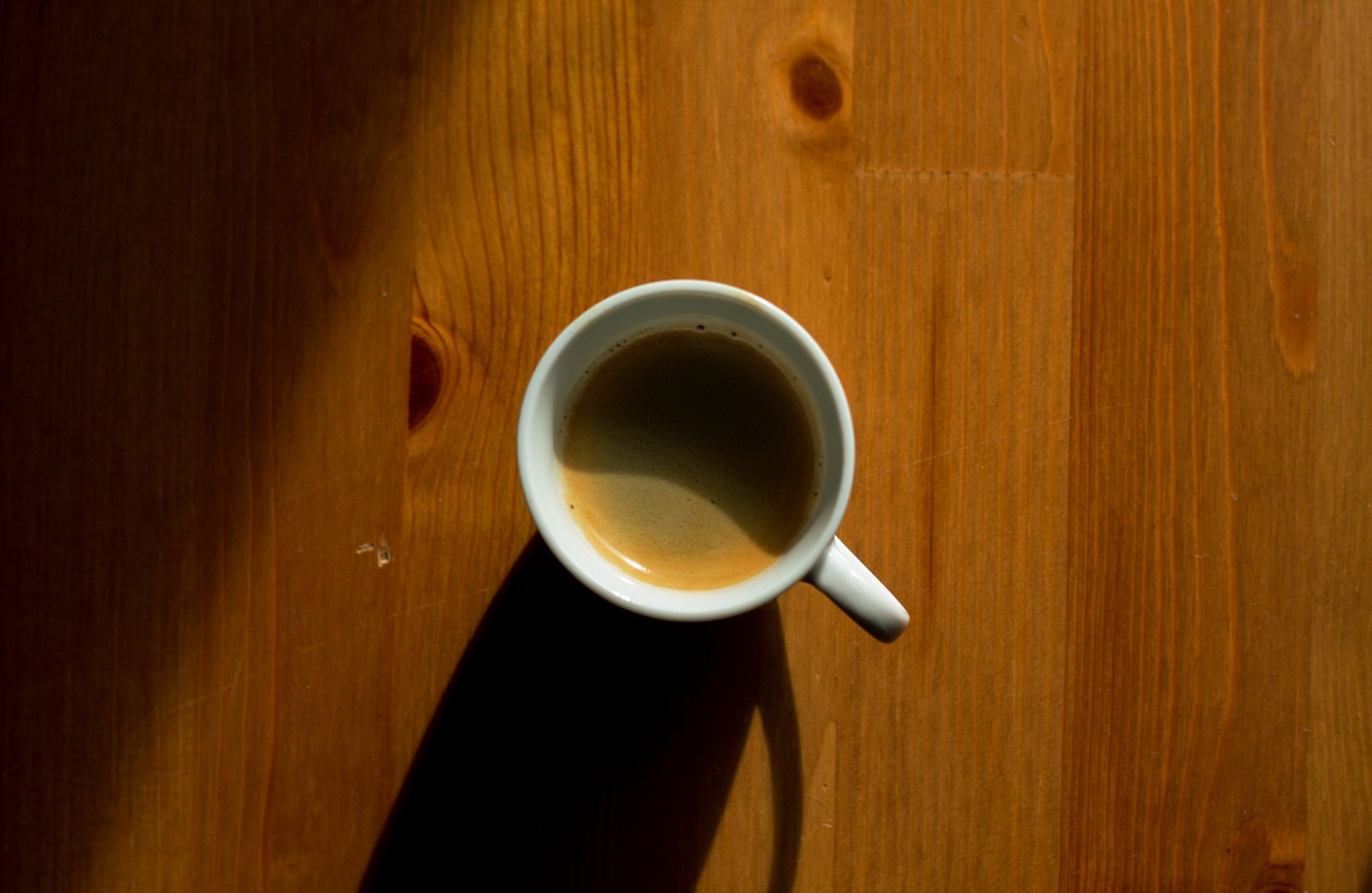
Espresso is a beloved coffee drink known for its rich, bold flavor and small serving size. As coffee enthusiasts increasingly pay attention to their caffeine intake, understanding how many milligrams of caffeine are in a shot of espresso has become vital. This article explores the caffeine content and various aspects related to espresso, making it an essential read for anyone invested in their coffee experience.
Not only will we dive into the specifics of caffeine dosage in espresso, but also its preparation methods, variations, and how it compares to other coffee drinks. Whether you’re a connoisseur or a casual coffee drinker, this guide will equip you with the knowledge needed to enjoy espresso to the fullest.
How Many mg In A Shot Of Espresso?
A standard shot of espresso typically contains about 63 milligrams of caffeine. However, the exact amount can vary depending on various factors such as the coffee bean type, roast level, and extraction time. This caffeine concentration makes espresso a potent source of caffeine, even in small servings.
The Science Behind Espresso and Caffeine Content
Understanding how espresso produces its caffeine content involves a bit of chemistry. The caffeine in coffee beans acts as a natural pesticide, protecting the plant from pests. This property also influences the concentration of caffeine in the finished product.
Various factors can influence the caffeine content in espresso:
- Type of Coffee Bean: Different varieties of coffee beans contain varying levels of caffeine. For instance, Arabica beans typically have less caffeine than Robusta beans.
- Roast Level: The roast level can also impact caffeine levels. Darker roasts tend to have slightly less caffeine due to the roasting process, which can break down caffeine content.
- Extraction Time: The duration of the brewing process (extraction) matters. A longer extraction can lead to higher caffeine content, but the flavor profile may also change.
How Espresso is Made
The process of making espresso is essential to understanding its unique characteristics. Here’s a brief overview of how espresso is prepared:
- Grinding the Beans: Start with fresh coffee beans and grind them to a fine consistency. The grind size is crucial for proper extraction.
- Tamping: After grinding, the coffee is placed in a portafilter and tamped down firmly to ensure even extraction.
- Brewing: The portafilter is locked into the espresso machine, which forces hot water through the coffee at high pressure. The brewing time typically lasts between 25 to 30 seconds, producing a small but concentrated shot.
Common Mistakes When Making Espresso
Espresso preparation is an art that requires attention to detail. Here are some common mistakes to avoid:
- Using stale coffee beans, which can lead to a flat flavor profile.
- Inconsistent grind size, affecting the extraction process.
- Insufficient tamping pressure, causing uneven water flow.
Espresso vs. Other Coffee Drinks
Espresso often gets compared to other coffee beverages, such as brewed coffee or Americano. It’s useful to explore how the caffeine content of espresso stands against these alternatives:
| Coffee Type | Caffeine Content (mg per serving) |
|---|---|
| Single Shot Espresso | 63 mg |
| Brewed Coffee (8 oz) | 95 mg |
| Americano (8 oz) | 63 mg + 63 mg = 126 mg |
| Cold Brew Coffee (8 oz) | 100-200 mg |
How to Enjoy Espresso
Espresso can be enjoyed in several ways, and its versatility allows it to be a foundation for many popular coffee drinks:
- Solo Shot: Appreciate the concentrated flavor and aroma by enjoying it neat.
- Macchiato: A shot of espresso topped with a dollop of frothy milk.
- Latte: Combining espresso with steamed milk for a creamy drink.
- Cappuccino: A shot of espresso mixed with equal parts steamed milk and foam.
- Flat White: Similar to a latte but with less milk to maintain a stronger coffee flavor.
Variations of Espresso Drinks
There are numerous variations of espresso drinks, each boasting its unique flavor characteristics. Here are some popular choices:
Affogato
This delightful treat combines a shot of hot espresso poured over a scoop of vanilla ice cream, creating a delicious contrast of hot and cold.
Espresso Con Panna
A shot of espresso is topped with a generous dollop of whipped cream, providing a rich and creamy sweet treat.
Espresso Tonic
A refreshing modern drink, espresso tonic combines espresso with tonic water and ice for a refreshing, slightly bitter beverage.
You can explore the hazelnut shaken espresso recipe or try an espresso tonic recipe for a twist on traditional espresso.
Best Practices for Storing Espresso Beans
The way you store your espresso beans affects their freshness and flavor profile. Follow these tips to maintain optimal quality:
- Seal the Beans: Store beans in an airtight container to prevent exposure to air.
- Avoid Sunlight: Keep the container in a dark, cool place to reduce light exposure that can degrade quality.
- Buy in Smaller Batches: Only buy what you’ll use in a week or two to ensure freshness.
Health Considerations
While caffeine has various physiological effects, moderation is key. Here are a few considerations:
- A moderate intake of espresso can enhance alertness and focus.
- Some people may experience jitters or increased heart rate if they consume too much caffeine.
- Pregnant individuals or those with certain medical conditions should consult their healthcare provider regarding caffeine intake.
Conclusion and Next Steps
Understanding how many milligrams of caffeine are in a shot of espresso is just the tip of the iceberg. Comprehensive knowledge about espresso—from preparation to variations—empowers coffee lovers to make informed choices that enhance their coffee-drinking experience. Whether enjoying a classic espresso or experimenting with innovative recipes, the versatility of this coffee drink is bound to delight.
For more insights into coffee recipes, adjustments, or exploring various strength levels of coffee, consider checking related topics on cooking tips or food guides to expand your culinary knowledge.