
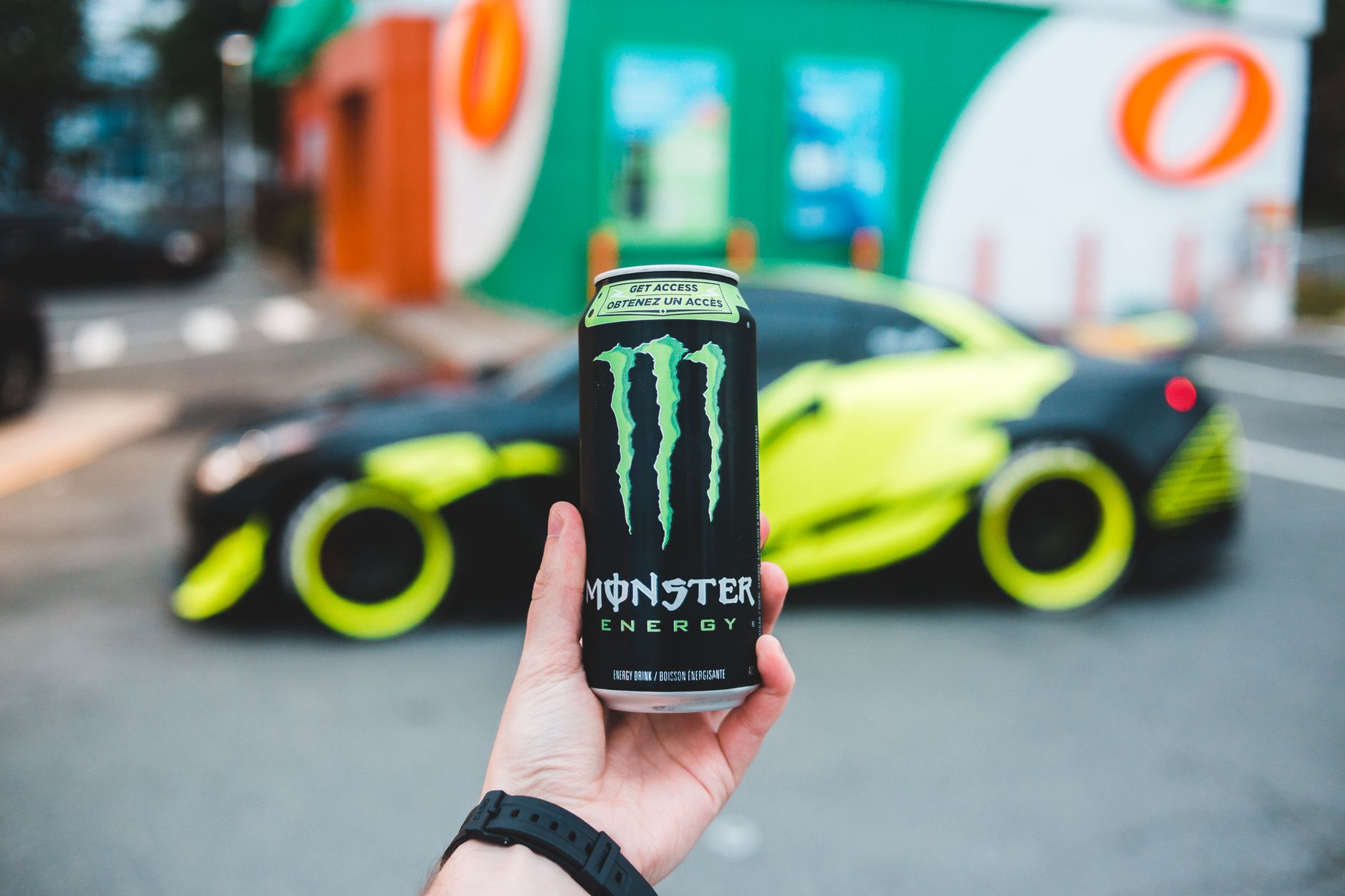
The question of how much caffeine is in a Monster Energy Drink is one that many consumers ponder, especially those sensitive to caffeine or seeking to manage their daily intake. Understanding the caffeine content is crucial for making informed choices about energy drinks and ensuring you stay within your dietary limits.
This article will delve into the caffeine content of various Monster Energy Drink flavors, explore the effects of caffeine on the body, and provide tips on how to enjoy these beverages responsibly.
How Many mg Of Caffeine In A Monster Energy Drink?
A typical 16 oz can of Monster Energy Drink contains approximately 160 mg of caffeine. This caffeine content may vary slightly depending on the specific flavor or variety of the drink.
Overview of Monster Energy Drink Flavors
Monster Energy Drink comes in an extensive line of flavors, each providing a unique taste experience. Here, we will explore the caffeine content for several popular varieties:
- Original Monster Energy: 160 mg of caffeine per 16 oz can
- Monster Ultra (various flavors): 150 mg of caffeine per 16 oz can
- Monster Zero Ultra: 140 mg of caffeine per 16 oz can
- Monster Rehab (Iced Tea and Lemonade flavors): 160 mg of caffeine per 16 oz can
- Monster Java (Coffee Energy Drink): 200 mg of caffeine per 16 oz can
- Monster Energy Nitro: 150 mg of caffeine per 16 oz can
Understanding Caffeine
Caffeine is a natural stimulant found in various plants and is often consumed to enhance alertness and reduce fatigue. It works by blocking adenosine, a neurotransmitter that promotes sleep, ultimately resulting in increased dopamine production in the brain. The effects of caffeine can vary among individuals based on several factors, including body weight, tolerance, and overall health.
Here are some common effects associated with caffeine consumption:
- Increased alertness and concentration
- Enhanced physical performance
- Temporary relief from headaches and migraines
- Potentially increased heart rate
- Risk of insomnia if consumed late in the day
How Caffeine Affects the Body
While moderate caffeine consumption is generally considered safe for most adults, it’s essential to be aware of how much you are consuming to avoid adverse effects. Consuming high doses of caffeine can lead to side effects such as:
- Anxiety and nervousness
- Insomnia or disturbed sleep patterns
- Increased heart rate and blood pressure
- Digestive issues, including upset stomach
Recommended Daily Caffeine Intake
The Food and Drug Administration (FDA) suggests that a daily intake of up to 400 mg of caffeine is safe for most adults. This amount translates to about four 8 oz cups of brewed coffee or ten 12 oz cans of cola. Keep in mind, though, that individuals may react differently to caffeine, so personal tolerance levels vary significantly.
Tips for Enjoying Monster Energy Drinks
Here are some tips for enjoying Monster Energy Drinks while keeping your caffeine intake in check:
- Moderation: Be mindful of your overall caffeine consumption throughout the day, including sources like coffee, tea, and chocolate.
- Time your intake: Avoid consuming energy drinks later in the day to prevent sleep disturbances.
- Stay hydrated: Remember to drink water alongside energy drinks, as caffeine can be dehydrating.
- Read labels: Check the nutrition label to understand the caffeine content in different flavors and sizes.
- Consider alternatives: If you’re sensitive to caffeine, explore low-caffeine alternatives or caffeine-free energy drinks.
Potential Health Risks
While moderate caffeine intake is generally safe, consuming excessive amounts can lead to health issues. Some potential risks associated with excessive caffeine consumption include:
- Dependency and withdrawal symptoms like headache, fatigue, and irritability
- Increased risk of heart arrhythmias in sensitive individuals
- Pregnant women or those trying to conceive should limit caffeine intake to less than 200 mg per day.
Alternative Energy Sources
If you’re looking for alternatives to Monster Energy Drinks for an energy boost, consider the following options:
- Coffee: A classic source of caffeine, with about 95 mg per 8 oz cup.
- Green Tea: Offers caffeine alongside antioxidants, with around 30 mg per 8 oz cup.
- Yerba Mate: A South American herbal drink that contains about 30-50 mg of caffeine per cup.
- Matcha: A concentrated form of green tea with about 60 mg of caffeine per 8 oz serving.
Conclusion
Understanding the caffeine content of Monster Energy Drinks can help you make informed decisions about your beverage choices. With 160 mg of caffeine in a standard 16 oz can, it is essential to consider your overall caffeine intake throughout the day. By approaching energy drinks with mindfulness, moderation, and awareness of alternatives, you can maintain your energy levels and well-being.
For anyone curious about managing caffeine consumption while still enjoying a flavorful drink, consider exploring recipes for different coffee beverages or alternative energy drinks like the long black coffee or the delicious pumpkin spice cold brew for seasonal flavor without excessive caffeine.