
There’s something almost magical about watching honey swirl into steaming hot water, transforming a simple cup into liquid comfort.
Honey tea is one of those rare beverages that feels both indulgent and nourishing, sweet without being cloying, and endlessly adaptable to whatever you need in that moment.
Whether you’re nursing a scratchy throat, seeking a calming evening ritual, or just craving warmth with minimal fuss, this recipe delivers on every front. The beauty lies in its simplicity: quality honey, hot water, and a few optional additions that let you customize each cup to match your mood.
I’ve made this countless times, and it never gets old. Let’s get started.
Why You’ll Love This Recipe
Honey tea wins because it’s genuinely simple, deeply satisfying, and works as a healing elixir or a cozy treat. You probably have everything you need already.
- Comes together in under 5 minutes with zero cooking required.
- Naturally sweetened, so you control the sugar level completely.
- Soothing on the throat and warming to the core on cold days.
- Infinite customization options with citrus, spices, herbs, or nothing at all.
- Works as a bedtime ritual, sick day comfort, or afternoon pick-me-up.
My Experience Making This Recipe
I first made honey tea properly during a particularly rough winter when I was fighting a nasty cold. I’d always assumed it was something people just made on autopilot, but I realized I’d been skipping the real magic: using good honey and letting it steep properly.
The difference was immediately obvious. The honey bloomed in the hot water, releasing floral notes I’d never noticed before, and each sip felt like it was actually doing something for my throat.
Now I make it year-round, and I’ve gotten my friends hooked too. The ritual of it has become as valuable as the tea itself.
Recipe Overview
- Recipe Name: Honey Tea
- Servings: 1
- Prep Time: 2 minutes
- Cook Time: 0 minutes (steeping only)
- Total Time: 5 minutes
- Course: Beverage
- Cuisine: Universal
- Calories per Serving: 60
Equipment You Will Need
- Kettle or pot for boiling water
- Mug or tea cup
- Spoon for stirring
- Thermometer (optional, for precise water temperature)
- Fine mesh strainer (if adding loose herbs or tea leaves)
Ingredients for Honey Tea
- 8 ounces hot water (just below boiling, around 160-180°F if you want to be precise)
- 1 to 2 tablespoons raw honey (depending on how sweet you like it)
- 1 pinch sea salt (optional, but it brightens the honey’s flavor)
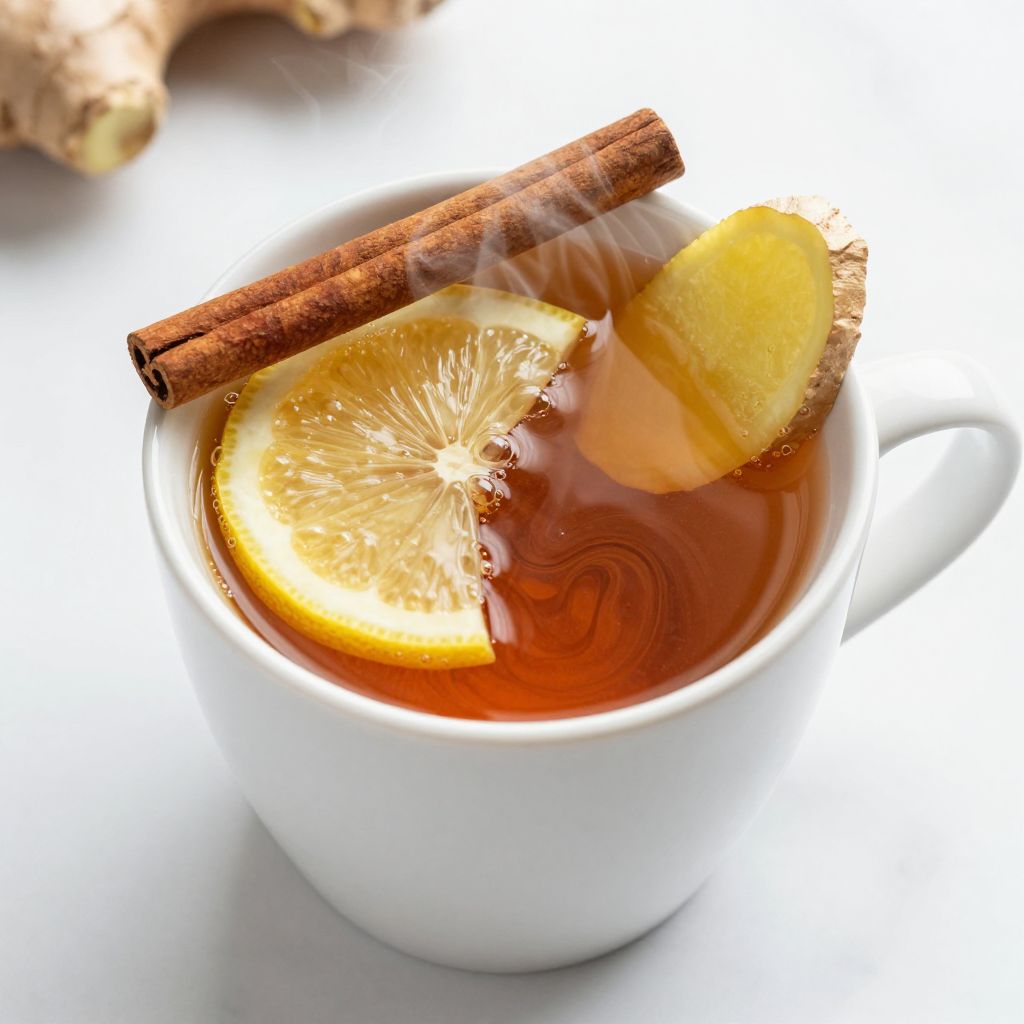
- Fresh lemon juice, squeeze of one lemon (optional)
- 1 small piece fresh ginger (optional, about 1 inch sliced thin)
- 1 whole cinnamon stick (optional, for warmth)
- 1 small pinch cayenne pepper (optional, for a spicy kick)
Ingredient Notes and Substitutions
- Raw honey: Raw honey retains enzymes and compounds that pasteurized honey loses, making it more soothing for throats. If you only have pasteurized honey, it works fine but won’t have quite the same complexity.
- Hot water: Water that’s too hot (above 185°F) can kill some of honey’s beneficial compounds and mute its flavor. If you don’t have a thermometer, just let boiled water cool for 2 minutes.
- Lemon juice: Lemon adds brightness and vitamin C, which pairs perfectly with honey’s floral notes. Lime or apple cider vinegar will give you similar tartness but a different flavor profile.
- Fresh ginger: Ginger adds spice and aids digestion, making the tea feel more therapeutic. Powdered ginger works but use only 1/4 teaspoon since it’s much more concentrated.
- Cinnamon: Cinnamon adds warmth and depth without sweetness. A splash of vanilla extract can replace it if you want something sweeter instead.
How to Make Honey Tea
Step 1: Heat Your Water
Boil water in a kettle or small pot. Once it’s boiling, remove it from heat and let it cool for about 2 minutes so it’s hot enough to extract honey’s properties but not so hot that it damages them.
Step 2: Pour Water Into Your Mug
Carefully pour the hot water into your favorite mug. The mug warms up as you do this, which keeps your tea at the perfect temperature for longer.
Step 3: Add Your Honey
Pour 1 to 2 tablespoons of raw honey directly into the hot water. The exact amount depends on how sweet you like your tea and which honey you’re using, since different varieties have different sweetness levels.
Step 4: Stir Well
Stir the honey into the water for about 30 seconds, making sure it dissolves completely. You want no honey sitting at the bottom of your mug.
Step 5: Add Sea Salt
Drop in a tiny pinch of sea salt and stir again. This tiny amount won’t make the tea taste salty; it will actually amplify the honey’s natural sweetness and floral complexity.
Step 6: Add Lemon Juice
If you’re using lemon, squeeze fresh juice directly into the tea now. Fresh lemon juice brightens everything and makes the honey taste even more floral.
Step 7: Add Any Spices or Aromatics
If you want ginger, cinnamon, or cayenne, add them now. Fresh ginger slices should steep for a few minutes to release their oils, while powdered spices blend in immediately.
Step 8: Steep and Taste
Let everything sit for 3 to 5 minutes if you’ve added ginger or other dried herbs. Taste the tea, and adjust the honey or lemon level if needed by adding more hot water.
Pro Tip: Never stir honey into water that’s actively boiling or above 185°F, since intense heat destroys the delicate enzymes and compounds that make raw honey therapeutic in the first place.
Tips for the Best Honey Tea
- Use raw, unfiltered honey if possible. The cloudiness you see is pollen and propolis, which contain most of the healing compounds.
- If your honey has crystallized, gently warm the jar in hot water until it liquefies, then proceed normally.
- Lemon and honey are a classic pairing for a reason: the acid cuts through the sweetness and makes everything taste brighter.
- If you’re making this for a sore throat specifically, add ginger and cayenne for extra anti-inflammatory power.
- Drink honey tea slowly and let it coat your throat rather than gulping it down.
- Store honey at room temperature in a sealed container; refrigeration will cause it to crystallize faster.
Common Mistakes to Avoid
- Adding honey to boiling water destroys its beneficial enzymes and mutes the flavor. Wait 2 minutes after boiling before adding honey.
- Forgetting the pinch of salt makes the tea taste flat and one-dimensional. This tiny addition is what separates good honey tea from great honey tea.
- Using old, low-quality honey defeats the whole purpose. Cheap honey has been heavily processed and won’t have the same soothing or flavorful qualities.
- Skipping the fresh lemon means you miss out on brightness and vitamin C. Lemon transforms honey tea from simple to sophisticated.
- Overstuffing the mug with too many add-ins muddles the flavor. Pick 2 or 3 complementary ingredients and stop there.
Serving Suggestions
Honey tea shines on its own, but a few thoughtful pairings elevate the experience. Serve it as part of your morning routine, bedtime ritual, or whenever you need comfort.
- Pair with buttered toast or a soft pastry for a cozy breakfast moment.
- Serve with fresh fruit, especially pears or apples, for a naturally sweet complement.
- Drink alongside honey cookies or shortbread for a simple treat.
- Combine with a quiet moment and a good book for the ultimate wind-down ritual.
- Offer to a friend with a cold alongside chicken soup for double the comfort.
Variations to Try
- Ginger Honey Tea: Add 2 or 3 thin slices of fresh ginger and let it steep for 5 minutes. The spice makes this version feel more therapeutic and adds a gentle kick.
- Honey Turmeric Tea: Stir in 1/4 teaspoon turmeric, a tiny pinch of black pepper, and a splash of milk. This ancient anti-inflammatory combination tastes warm and slightly earthy.
- Honey Lavender Tea: Add 1 teaspoon of culinary lavender buds and let them steep for 4 minutes. This version is more floral and calming, perfect for bedtime.
- Apple Cinnamon Honey Tea: Use 4 ounces hot water, 4 ounces unsweetened apple juice, one cinnamon stick, and honey to taste. This tastes like a hug from autumn.
- Honey Green Tea: Brew 1 green tea bag in hot water for 2 minutes, remove it, then add honey and lemon. Green tea adds antioxidants and a subtle vegetal note that plays beautifully with honey.
Dietary Adaptations
- Gluten-free: Honey tea is naturally gluten-free as long as you use pure honey and don’t add any grain-based additions. No adaptation needed.
- Dairy-free: This recipe contains no dairy at all, but if you want to add milk, use coconut, almond, or oat milk instead. The trade-off is slightly less creaminess, but the flavor stays clean.
- Vegan: Honey is not vegan, so use pure maple syrup or agave nectar instead. Both dissolve similarly and add their own subtle flavors.
- Low-carb or keto: Honey is high in carbs, so substitute with a keto-friendly sweetener like erythritol or monk fruit if you’re tracking macros. The flavor will be slightly different but still satisfying.
Storage and Reheating
Refrigerator
You can refrigerate leftover honey tea in a sealed glass container for up to 3 days. Honey tea is best fresh, but cold honey tea over ice makes a nice summer drink.
- Strain out any solids like ginger pieces before storing.
- Let it come to room temperature or add ice when serving cold.
Freezer
Freezing honey tea isn’t practical since you’ll want it hot most of the time, but you can freeze honey itself indefinitely. Honey naturally resists spoilage and will last years at room temperature.
Reheating
If you have leftover refrigerated honey tea, gently warm it on the stove or in the microwave for 1 to 2 minutes. Don’t boil it again, since that damages honey’s compounds.
Nutrition Information
| Nutrient | Amount |
|---|---|
| Calories | 60 |
| Total Fat | 0g |
| Saturated Fat | 0g |
| Carbohydrates | 16g |
| Fiber | 0g |
| Sugar | 15g |
| Protein | 0g |
| Sodium | 5mg |
| Cholesterol | 0mg |
This nutrition information is based on 1 tablespoon of honey in 8 ounces of water with no additional ingredients. Actual values vary depending on which optional add-ins you choose and how much honey you use.
Frequently Asked Questions
Can I make honey tea ahead of time?
Yes, but it’s best consumed fresh. You can make a batch in the morning and reheat individual servings throughout the day, but the flavor and aromatic qualities fade over time.
What’s the difference between raw and pasteurized honey?
Raw honey hasn’t been heated above 118°F, so it retains enzymes, pollen, and propolis that many people believe offer health benefits. Pasteurized honey has been heated to kill any potential pathogens, making it shelf-stable longer but potentially less therapeutic.
Is honey safe for babies?
Raw honey should not be given to babies under 12 months old because of the risk of botulism. After 12 months, honey is perfectly safe and has been used for centuries to soothe children’s coughs.
Can I use bottled lemon juice instead of fresh?
Fresh lemon juice is better because it has more brightness and vitamin C, but bottled works in a pinch. Use about half the amount since bottled juice is more concentrated.
Why does my honey taste different every time?
Raw honey’s flavor depends on which flowers the bees visited. Clover honey tastes milder, while wildflower honey is more complex and floral, so your tea will taste different depending on the honey’s origin.
Can I add this to regular tea instead of plain hot water?
Absolutely. Honey works beautifully in black tea, green tea, herbal tea, or white tea. Add honey after the tea has steeped and cooled slightly to preserve its properties.
How much honey is too much?
More than 3 tablespoons per 8 ounces becomes cloyingly sweet and overpowers the other flavors. Start with 1 tablespoon and add more to taste.
Final Thoughts
Honey tea proves that the simplest recipes are often the most powerful. There’s no fancy technique, no special equipment, just quality ingredients and a few minutes of your time.
Make this tonight, take it slowly, and notice how it makes you feel. Once you understand how good it can be, you’ll find yourself reaching for it again and again.
If you love this recipe, you might also enjoy exploring other warming beverages. Try this ginger lemon honey tea recipe for a more complex flavor profile, or check out this elderberry tea recipe for a fruity alternative that works beautifully with honey.
Honey Tea
Ingredients
Equipment
Method
- Boil 8 ounces of water in a kettle or pot until it reaches 212°F, then remove from heat and let it cool for 2 minutes to reach 160-180°F.
- Pour the hot water into a mug or tea cup.
- Add 1 to 2 tablespoons of raw honey to the water and stir for about 30 seconds until fully dissolved.
- Add a pinch of sea salt and stir to enhance the honey’s flavor.
- If using, squeeze the juice of 1 lemon into the tea and stir well.
- Add any optional aromatics such as sliced ginger, a cinnamon stick, or a pinch of cayenne pepper.
- Allow the tea to steep for 3 to 5 minutes to infuse flavors from any added spices or herbs.
- Taste the tea and adjust sweetness or lemon juice as desired by adding more honey or hot water.