
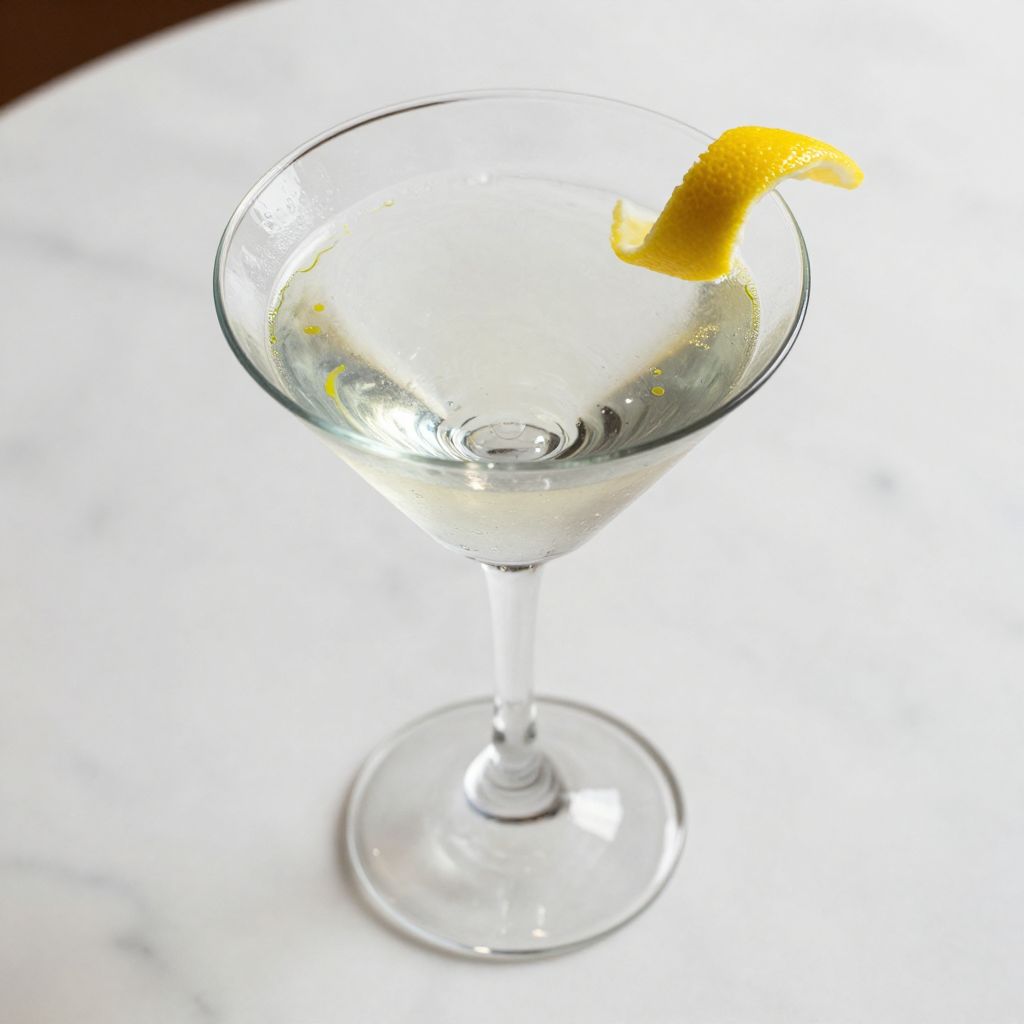
There’s a moment when you pour that first sip of a properly made martini, and the gin hits your lips with a whisper of vermouth and a cool, silky finish. The extra dry martini is the gold standard of classic cocktails, stripped down to its essence and made for those who understand that less is more. This isn’t a drink you muddle or shake apologetically; it’s a cocktail that demands respect and precision.
What makes this recipe special is its elegant simplicity and the way quality gin takes center stage. When you make it right, every element matters, and the result tastes nothing like the overly sweet, poorly balanced martinis you might have tried before. Let’s build you a martini that tastes like it came from a proper bar, the kind where bartenders know what they’re doing.
Why You’ll Love This Recipe
An extra dry martini rewards you with pure, uncluttered flavor and a drinking experience that feels sophisticated without pretension. This is a cocktail that works for any occasion, from a quiet evening at home to a dinner party that needs a polished opener.
- Minimal ingredients mean maximum control over flavor and quality.
- Takes under five minutes to make once you have everything chilled.
- Feels and tastes like you know exactly what you’re doing behind the bar.
- Works beautifully with premium gin or a more affordable bottle you like.
- Pairs perfectly with appetizers, olives, or a quiet moment to yourself.
My Experience Making This Recipe
I learned to make martinis properly after one too many disappointing bar versions, and the difference between doing it right and doing it lazy became immediately obvious. The first time I chilled my glass, stirred gin with just a whisper of vermouth, and strained it into that cold glass, something clicked. That one small step of properly chilling the glass changed everything about the drink’s texture and temperature.
My friends noticed the difference right away, not because I was using anything fancy, but because I treated the process with care and didn’t overthink it. The martini doesn’t need you to complicate it; it just needs you to respect its simplicity. Now when people ask me how I make mine so smooth, I tell them the same thing: chill your glass, measure your vermouth carefully, and don’t apologize for wanting it dry.
Recipe Overview
- Recipe Name: Extra Dry Martini
- Servings: 1
- Prep Time: 5 minutes
- Cook Time: 0 minutes
- Total Time: 5 minutes
- Course: Cocktail
- Cuisine: American Classic
- Calories per Serving: 180
Equipment You Will Need
- Cocktail shaker or mixing glass
- Bar spoon or long-handled spoon
- Cocktail strainer (julep strainer or Hawthorne strainer)
- Jigger for measuring
- Martini glass or coupe glass
- Cutting board and paring knife (for lemon twist or olive)
Ingredients for Extra Dry Martini
- 2.5 ounces premium gin (the base of your martini)
- 0.5 ounce dry vermouth (for complexity and botanical notes)
- Ice (plenty of it, for proper chilling)
- Lemon twist or cocktail olive (for garnish and flavor)
Ingredient Notes and Substitutions
- Premium gin is used because it forms the heart of the drink and you taste every note of it. If you prefer vodka martinis, use the same amount of premium vodka, though you’ll lose the botanical complexity that makes gin martinis special.
- Dry vermouth adds herbal depth and prevents the martini from tasting like cold, straight gin. Skip it entirely if you want an ultra-minimal version, though you lose the subtle flavor layers that make the drink interesting.
- Ice quality matters more than you’d think; use large cubes or crushed ice that won’t melt too quickly and dilute your drink. Regular small ice cubes work fine if that’s what you have, just don’t overwork your stirring.
- A lemon twist adds brightness and aromatic oils that wake up your senses as you sip. Swap for an olive if you prefer savory notes and a more savory drinking experience.
How to Make Extra Dry Martini
Step 1: Chill Your Glass
Place your martini glass in the freezer for at least five minutes before you start mixing. A cold glass keeps your drink cold longer and prevents dilution from happening too quickly.
Step 2: Fill Your Mixing Glass With Ice
Add plenty of fresh ice to your mixing glass or cocktail shaker. You need enough ice to properly chill the entire mixture without running out halfway through.
Step 3: Pour the Gin
Measure out 2.5 ounces of gin using your jigger and pour it over the ice. This is where your gin’s quality shines, so choose something you genuinely enjoy drinking.
Step 4: Add the Dry Vermouth
Measure 0.5 ounce of dry vermouth and add it to the gin. This small amount of vermouth gives the martini its complexity without making it sweet or overpowering the gin.
Step 5: Stir for 30 Seconds
Using a bar spoon, stir the mixture smoothly and steadily for about 30 seconds. Stirring is the correct method for martinis; shaking aerates the drink and makes it cloudy, which you don’t want here.
Step 6: Strain Into Your Chilled Glass
Using your cocktail strainer, slowly pour the mixture into your pre-chilled martini glass. The cold glass and proper straining keep everything smooth and prevent ice chips from ending up in your drink.
Step 7: Prepare Your Garnish
If using a lemon twist, run the peel over the surface of the drink to express the oils, then drop it in or set it on the rim. If using an olive, simply drop it into the center of your glass.
Step 8: Serve Immediately
Drink your martini right away while it’s properly cold and hasn’t started diluting. There’s no point in all this precision if you let it sit and warm up.
Pro Tip: The difference between a good martini and a great one comes down to temperature and patience. Chill everything, don’t rush the stirring, and measure your vermouth carefully. Most bad martinis taste bad because someone skipped a step or got lazy with the vermouth measurement.
Tips for the Best Extra Dry Martini
- Use a gin you actually enjoy drinking straight, because you’re going to taste it clearly in this cocktail. Don’t buy expensive gin just for the label; find one that speaks to your palate.
- Keep your vermouth in the fridge after opening because it oxidizes and goes bad much faster than gin. Old vermouth tastes flat and bitter, which ruins the whole drink.
- Stir, don’t shake. Shaking over-aerates the drink and creates that cloudy look that screams “I don’t know what I’m doing.” Stirring keeps it silky smooth.
- Freeze your glass for at least five minutes. This single step makes more difference than you’d expect in how cold and smooth your final drink tastes.
- Use a light hand with the vermouth; extra dry means barely-there vermouth, not zero vermouth. Too little and you lose the botanical balance; too much and it’s not extra dry anymore.
- Fresh ice matters. Old ice that’s been sitting in your freezer picking up flavors will taint your martini. Use new ice that hasn’t absorbed your freezer’s smells.
Common Mistakes to Avoid
- Shaking your martini makes it cloudy and over-aerates it, which destroys the silky texture you’re after. Stirring for the proper time achieves perfect chilling without the cloudiness.
- Measuring vermouth carelessly by eyeballing or just splashing some in throws off the entire balance. Use your jigger every single time, even when you think you know how much to use.
- Using warm or room-temperature glasses means your martini starts warming up the moment it goes in, and you lose that crisp, cold sensation that makes the drink special. Freezing your glass is non-negotiable.
- Letting your martini sit before drinking it allows dilution to happen and warmth to creep in. Pour and drink immediately while everything is properly chilled.
- Using low-quality gin saves you money in the short term but makes every martini taste harsh and thin. You don’t need premium gin, but you need gin you actually like.
Serving Suggestions
Serve your extra dry martini as an elegant aperitif before dinner or as a contemplative solo drink that stands beautifully on its own. The cocktail works with almost any food pairing because its dryness and subtle botanical notes complement rather than compete.
- With a charcuterie board featuring cured meats, hard cheeses, and good bread.
- Alongside oysters or other raw seafood for a classic pairing that feels special.
- With roasted almonds or marcona almonds as a simple, elegant snack.
- Before a formal dinner as the opening act that sets a sophisticated tone.
- On its own during a quiet evening as an unhurried, meditative drink.
Variations to Try
- The Dirty Martini adds olive brine to the mix, creating a briny, savory drink that tastes completely different but equally satisfying. Use 0.5 ounce of olive brine with your vermouth for a rich, umami-forward version.
- The Lemon Drop variation swaps the vermouth for fresh lemon juice and adds a touch of simple syrup for brightness and tartness. This version leans fruity instead of herbal and feels lighter on the palate.
- The Limoncello Martini introduces Italian flavor by using limoncello instead of vermouth for a sweeter, more citrus-forward drink. This version works beautifully as a post-dinner sipper instead of an aperitif.
- The Dry Martini with a twist adds a small amount of orange liqueur like Cointreau for subtle sweetness and complexity. Use just 0.25 ounce to keep it balanced and dry.
Dietary Adaptations
- Gluten-Free: Most gin and vermouth are naturally gluten-free, but always check your specific bottles for any additives or shared processing equipment.
- Dairy-Free: The extra dry martini contains no dairy ingredients, making it naturally suitable for dairy-free diets.
- Vegan: Both gin and vermouth are plant-based, so the martini is vegan as made. Some garnishes like olive brine are also vegan-friendly.
- Low-Carb/Keto: The martini contains minimal carbohydrates and fits perfectly into low-carb and keto diets, though drink responsibly since alcohol affects ketosis.
Storage and Reheating
Refrigerator
You cannot really store a mixed martini because it dilutes and warms quickly. Store your gin and vermouth separately in the fridge or cabinet to keep them cold and fresh for future cocktails.
- Store vermouth in the refrigerator after opening to preserve its flavor.
- Keep gin at room temperature or chilled, depending on your preference.
- Use opened vermouth within 2 to 3 weeks for best flavor.
Freezer
Freezing a finished martini destroys its texture and turns it into a slushy mess. Instead, keep your martini glass in the freezer so it’s always ready for mixing.
- Chill your martini glass in the freezer at least five minutes before use.
- Never freeze a finished martini for later; make fresh drinks instead.
Reheating
Martinis are served cold and never reheated. If your martini warms up, finish what you’ve got and make a fresh one using the same process from the beginning.
- Drink immediately after preparing for the best temperature and texture.
- Never attempt to reheat a warm martini; make a fresh batch instead.
Nutrition Information
| Nutrient | Amount |
|---|---|
| Calories | 180 |
| Total Fat | 0g |
| Saturated Fat | 0g |
| Carbohydrates | 0g |
| Fiber | 0g |
| Sugar | 0g |
| Protein | 0g |
| Sodium | 2mg |
| Cholesterol | 0mg |
These values are based on standard gin and dry vermouth with no added ingredients beyond the garnish. Individual nutrition may vary slightly depending on your specific brands and any garnish choices you make.
Frequently Asked Questions
Should I shake or stir my martini?
Always stir your martini for about 30 seconds over ice. Shaking aerates the drink and creates tiny ice chips that cloud your martini and destroy the silky texture you’re after.
What’s the difference between extra dry and regular dry?
Extra dry means you use significantly less vermouth than a regular dry martini. A regular dry martini uses 0.5 to 1 ounce of vermouth, while extra dry uses 0.25 to 0.5 ounces of vermouth for a more gin-forward drink.
Can I make a martini ahead of time?
You cannot make a martini more than a few minutes ahead because it dilutes as the ice melts and warms up quickly. Mix each martini fresh right before you plan to drink it.
What type of gin works best for martinis?
Any gin you genuinely enjoy drinking works well in a martini. You taste the gin clearly, so choose something with botanical flavors you like, whether that’s a classic London dry style or something more contemporary.
Why does my martini taste watery?
Watery martinis result from too much ice melt during stirring or from using warm ingredients. Chill everything beforehand, stir efficiently for exactly 30 seconds, and strain immediately into your pre-chilled glass.
Can I use any vermouth?
Use only dry vermouth for an extra dry martini. Sweet vermouth creates a completely different drink that tastes like a Manhattan. Dry vermouth gives you the herbal, subtle botanical notes the martini needs.
Should I add olive brine to an extra dry martini?
Adding olive brine creates a dirty martini, which is a different drink entirely. Extra dry martinis stay pure with just gin and vermouth, though you can garnish with an olive without brine.
Final Thoughts
Making an excellent extra dry martini comes down to respecting the cocktail’s simplicity and taking each step seriously. Once you nail the technique, you have a drink that feels elegant and tastes like you know exactly what you’re doing.
Go ahead and make one tonight. Chill your glass, measure your ingredients carefully, stir with intention, and pour into that cold glass. You’ve got this, and the result will taste like something special.
If you’re interested in exploring more sophisticated gin-based cocktails, check out our dirty martini recipe with gin for a savory twist on the classic. For something with a brighter, citrus-forward flavor profile, our limoncello martini recipe offers a delightful alternative that works beautifully as an after-dinner drink or special occasion sipper.
Extra Dry Martini
Ingredients
Equipment
Method
- Step 1: Place a martini glass in the freezer and chill for at least 5 minutes.
- Step 2: Fill your mixing glass or cocktail shaker with plenty of fresh ice.
- Step 3: Measure 2.5 ounces of premium gin with a jigger and pour it over the ice.
- Step 4: Add 0.5 ounce of dry vermouth to the gin in the mixing glass.
- Step 5: Stir the mixture smoothly with a bar spoon for 30 seconds.
- Step 6: Use a cocktail strainer to strain the chilled mixture into the pre-chilled martini glass.
- Step 7: Prepare your garnish by expressing a lemon twist over the drink or adding a cocktail olive.
- Step 8: Serve immediately and enjoy while properly chilled.