
There’s something about the clink of ice in a glass and the briny aroma of olives that signals the start of a proper evening.
A dirty martini made with gin is the kind of cocktail that feels effortless once you nail the technique, yet impressive enough to make you feel like a seasoned bartender in your own kitchen. Unlike its sweeter cousins, this drink celebrates the botanical bite of gin balanced against savory olive brine, creating a complex sipper that’s never boring.
Why You’ll Love This Recipe
This cocktail delivers maximum flavor with minimal fuss and transforms your home bar into something worth bragging about.
- Silky, ice-cold texture from proper chilling and technique
- Bold, savory profile that feels sophisticated without pretension
- Ready in under two minutes once you gather your ingredients
- Endlessly customizable based on your gin preference and olive brine intensity
- Scales easily for one drink or a batch for friends
My Experience Making This Recipe
I spent years ordering dirty martinis at bars before realizing how simple they are to make at home. The turning point came when a bartender friend showed me the importance of chilling your glassware and not skimping on the stirring time.
Now I make them regularly, and the difference between a lazy attempt and a proper one is genuinely night and day. My first batch was too warm and diluted; once I started using a chilled coupe glass and stirring for a full minute, everything changed.
The payoff is real: that velvety mouthfeel and the way the botanicals in good gin really shine through when you take your time. Friends always ask for my secret, and it’s never anything fancy, just respect for the process.
Recipe Overview
- Recipe Name: Dirty Martini with Gin
- Servings: 1
- Prep Time: 2 minutes
- Cook Time: 0 minutes
- Total Time: 2 minutes
- Course: Cocktail
- Cuisine: Classic Cocktail
- Calories per Serving: 150
Equipment You Will Need
- Mixing glass or cocktail pitcher
- Bar spoon or long-handled stirring spoon
- Jigger or measuring spoon
- Coupe glass or martini glass
- Cocktail strainer
- Ice (preferably large cubes or a block)
Ingredients for Dirty Martini with Gin
- 2 ounces premium gin
- 0.5 ounce dry vermouth
- 0.5 ounce olive brine (from a quality olive jar)
- 2 to 3 pitted olives (for serving)
- Ice (for stirring and chilling)
Ingredient Notes and Substitutions
- Gin: The backbone of this drink, delivering juniper and botanicals. If you prefer something lighter, try a London Dry style; for earthier notes, choose a botanical-forward gin.
- Dry vermouth: This adds subtle herbaceous balance without sweetness. If it’s old or oxidized, the drink tastes flat; swap for fresh vermouth from a bottle opened within the last few months.
- Olive brine: The “dirty” element that adds saltiness and depth. If your brine is too weak, use a splash more; if it’s aggressively salty, use slightly less.
- Olives: Green olives work best; they’re briny without being astringent. Castelvetrano olives are buttery and mild, while Cerignola olives are bold and briny.
How to Make Dirty Martini with Gin
Step 1: Chill Your Glass
Place your coupe or martini glass in the freezer for at least five minutes before you start mixing. A cold glass keeps your finished drink colder longer and improves the mouthfeel dramatically.
Step 2: Fill the Mixing Glass with Ice
Add a generous handful of ice to your mixing glass or pitcher. Large cubes or block ice melt more slowly than crushed ice, which means less dilution and a silkier final drink.
Step 3: Measure and Pour the Gin
Using your jigger, pour exactly 2 ounces of gin into the mixing glass. Gin is the star here, so use something you actually enjoy sipping straight; cheap gin makes a cheap-tasting martini.
Step 4: Add the Dry Vermouth
Measure 0.5 ounce of dry vermouth and add it to the mixing glass. Vermouth oxidizes quickly once opened, so make sure your bottle is fresh and always store it in a cool place or even the refrigerator.
Step 5: Pour in the Olive Brine
Add 0.5 ounce of olive brine from the jar. This is what makes the drink “dirty”; the brine adds that characteristic savory punch and cloudy appearance.
Step 6: Stir for One Full Minute
Using your bar spoon, stir the mixture steadily for 60 seconds without stopping. This might feel long, but proper stirring chills the drink thoroughly and integrates all the flavors while creating the silky texture that separates a great martini from a mediocre one.
Step 7: Strain into Your Chilled Glass
Using your cocktail strainer, pour the mixture into your waiting coupe or martini glass. The strainer keeps the ice out while the beautiful chilled liquid flows into the glass.
Step 8: Garnish with Olives
Thread 2 to 3 olives onto a cocktail pick or small skewer and rest it across the rim or place it in the drink. The olives serve as both garnish and a built-in snack, adding another layer of brine and flavor with each bite.
Pro Tip: Stir for a full minute in a glass packed with quality ice; this single step separates homemade martinis that taste flat from ones that taste like they came from a proper bar.
Tips for the Best Dirty Martini with Gin
- Use quality ice and lots of it; small or crushed ice melts too quickly and dilutes the drink. Freeze a large block or buy premium ice cubes.
- Keep your mixing glass and serving glass ice-cold throughout the process. A warm glass destroys all your careful work in seconds.
- Taste your olive brine before using it; some brands are aggressively salty while others are mild. Adjust the amount based on what you have.
- Never use old or opened vermouth; it oxidizes and tastes like cardboard. Buy small bottles and replace them every three months.
- Stir, never shake, a martini with gin. Shaking aerates the drink and makes it cloudy in an undesirable way; stirring creates a silky texture.
- Serve immediately; even a few seconds of delay lets the drink warm up. Have your glass waiting and ready before you start mixing.
Common Mistakes to Avoid
- Using warm or room-temperature ingredients and glassware; your drink will be tepid and sad within seconds of serving.
- Undersirring and thinking you’re done after 20 or 30 seconds; you need that full minute to properly chill and integrate flavors.
- Adding too much vermouth, which overpowers the gin and brine and turns the drink syrupy and unbalanced.
- Using excessive or poor-quality olive brine that tastes rancid or metallic; taste first and use restraint.
- Forgetting to chill your glass; a room-temperature glass will warm your drink instantly, negating all your careful technique.
Serving Suggestions
A dirty martini with gin is powerful and assertive, so it pairs beautifully with savory, umami-forward foods and elegant appetizers. Serve it as an aperitif before dinner or as a sophisticated sipper during casual entertaining.
- Salty nuts like marcona almonds or smoked almonds
- Charcuterie and aged cheeses like prosciutto and manchego
- Briny seafood appetizers like smoked salmon or shrimp cocktail
- Gourmet olives, cornichons, and marinated vegetables
- Warm white anchovies or tinned fish with crackers
Variations to Try
- Vodka Dirty Martini: Swap the gin for vodka if you prefer a cleaner, more neutral spirit; the drink loses botanical complexity but gains smoothness.
- Extra Dirty Martini: Increase the olive brine to 0.75 or 1 ounce for an intensely savory drink; reduce the vermouth slightly so the brine doesn’t overpower.
- Gin Martini with Cocktail Onion: Skip the brine and substitute a cocktail onion (also called a Gibson); you lose the savory saltiness but gain subtle sweetness and a different briny flavor.
- Anchovy-Washed Martini: Briefly rinse your mixing glass with anchovy oil or brine before adding ingredients for a deeper umami punch without cloudiness.
- Herb-Infused Martini: Add a small sprig of fresh rosemary or a basil leaf to the mixing glass while stirring; the herbs impart subtle flavor and aroma.
Dietary Adaptations
- Gluten-Free: Most gins are naturally gluten-free, but verify your specific brand and vermouth bottle; many are certified GF, though cross-contamination during production can occur.
- Dairy-Free: This cocktail contains no dairy, making it naturally suitable for dairy-free diets.
- Vegan: Check that your gin and vermouth are vegan certified; most are, but some use animal-derived fining agents.
- Low-Carb/Keto: A dirty martini with gin is naturally low in carbohydrates and fits keto lifestyles perfectly; the olives add minimal carbs.
Storage and Reheating
Refrigerator
You cannot store a finished martini in the refrigerator; it will separate and warm up quickly, becoming undrinkable. However, you can store individual ingredient components separately for up to one month.
- Keep gin and vermouth in sealed bottles in a cool, dark cabinet
- Store olive brine in its original jar in the refrigerator
- Keep olives in brine in a sealed container, refrigerated, for up to three weeks
Freezer
Freezing a finished martini is not recommended; the liquid separates upon thawing and the texture becomes grainy and unpleasant. However, you can store a bottle of gin in the freezer for quick chilling before mixing.
Reheating
There is no reheating involved with a martini; it must be consumed immediately after mixing while cold. If your drink warms up, simply discard it and make a fresh one.
Nutrition Information
| Nutrient | Amount |
|---|---|
| Calories | 150 |
| Total Fat | 0g |
| Saturated Fat | 0g |
| Carbohydrates | 2g |
| Fiber | 0g |
| Sugar | 0g |
| Protein | 0g |
| Sodium | 280mg |
| Cholesterol | 0mg |
Nutrition values are approximate and based on standard brand ingredients. The sodium content comes primarily from the olive brine; reducing the brine lowers the sodium significantly.
Frequently Asked Questions
Can I make a dirty martini ahead of time?
No, martinis are best made to order and consumed immediately. Prepare your ingredients and glassware in advance, but mix the cocktail only when you’re ready to drink it.
What’s the difference between a martini and a dirty martini?
A standard martini contains gin and dry vermouth with no brine, while a dirty martini adds olive brine for a savory, cloudy appearance. The brine fundamentally changes the flavor profile from clean and herbal to bold and briny.
Should I shake or stir a dirty martini?
Always stir a martini with gin; shaking aerates it and creates an undesirable cloudiness. Stirring for a full minute chills the drink properly and creates the silky texture bartenders aim for.
What if my olive brine is too salty?
Reduce the amount of brine you use, or find a new jar with milder brine. Some brands are aggressively salted; others are subtle. Taste your brine first and adjust quantities accordingly.
Can I make a batch of dirty martinis for a party?
You can pre-chill your ingredients and glasses, but mix each martini individually right before serving. If you must batch them, keep the mixed batch in a chilled pitcher and serve within five minutes, understanding that quality will decline slightly.
What’s the best gin for a dirty martini?
Choose a gin you enjoy drinking straight; good options include Bols Genever for a slightly sweet profile, Tanqueray for bold juniper, or Bombay Sapphire for a lighter botanical style. Avoid very cheap gin, which tastes thin and harsh in a martini.
Final Thoughts
A dirty martini made with gin is deceptively simple yet endlessly rewarding when you respect the fundamentals. The technique matters more than fancy ingredients, and spending 60 seconds properly stirring your drink pays dividends in smoothness and flavor balance.
Try this recipe tonight, and you’ll understand why this cocktail has remained a classic for nearly a century. Once you master the basic formula, you’re free to adjust the ratios and ingredients to match your personal taste, making it uniquely yours.
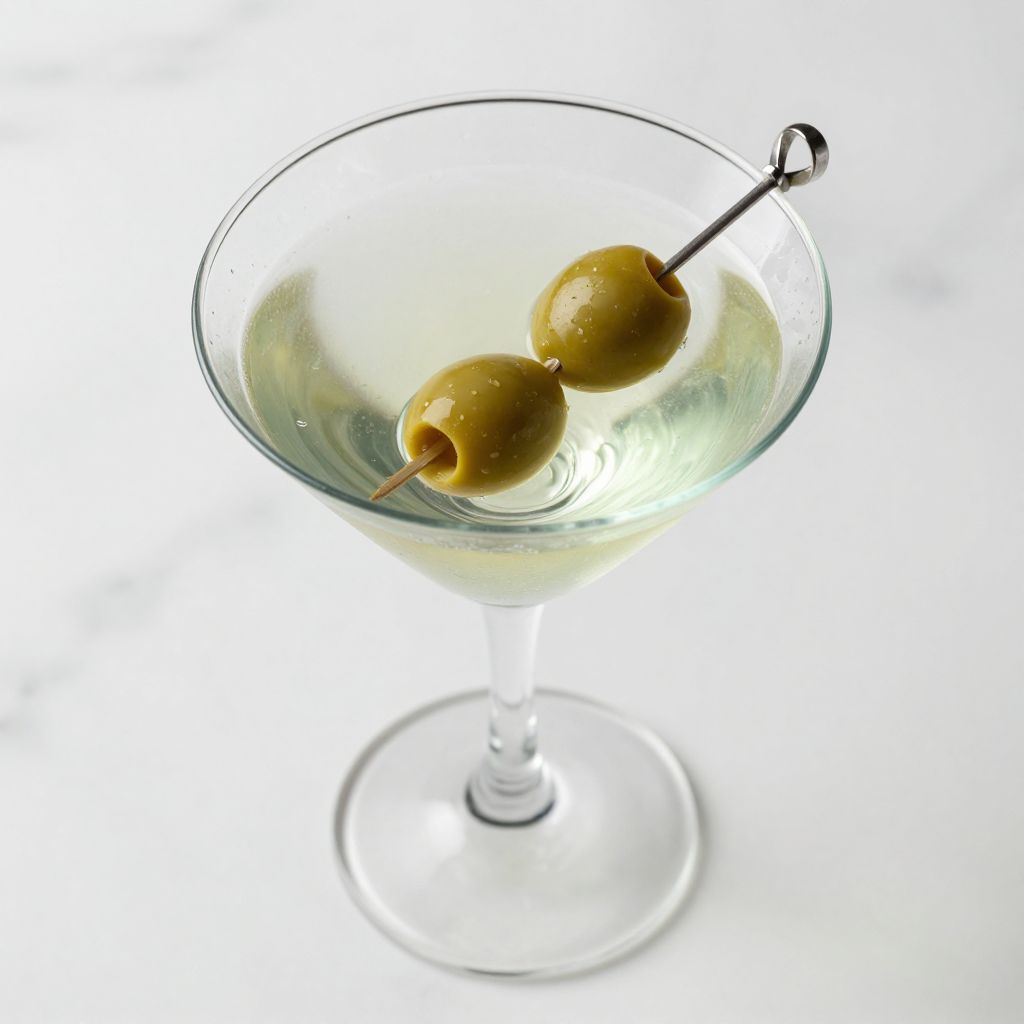
Dirty Martini with Gin
Ingredients
Equipment
Method
- Place your coupe or martini glass in the freezer for at least five minutes before you start mixing.
- Add a generous handful of ice to your mixing glass or pitcher. Large cubes or block ice melt more slowly than crushed ice.
- Using your jigger, pour exactly 2 ounces of gin into the mixing glass.
- Measure 0.5 ounce of dry vermouth and add it to the mixing glass.
- Add 0.5 ounce of olive brine from the jar.
- Using your bar spoon, stir the mixture steadily for 60 seconds without stopping.
- Using your cocktail strainer, pour the mixture into your waiting coupe or martini glass.
- Thread 2 to 3 olives onto a cocktail pick or small skewer and rest it across the rim or place it in the drink.