
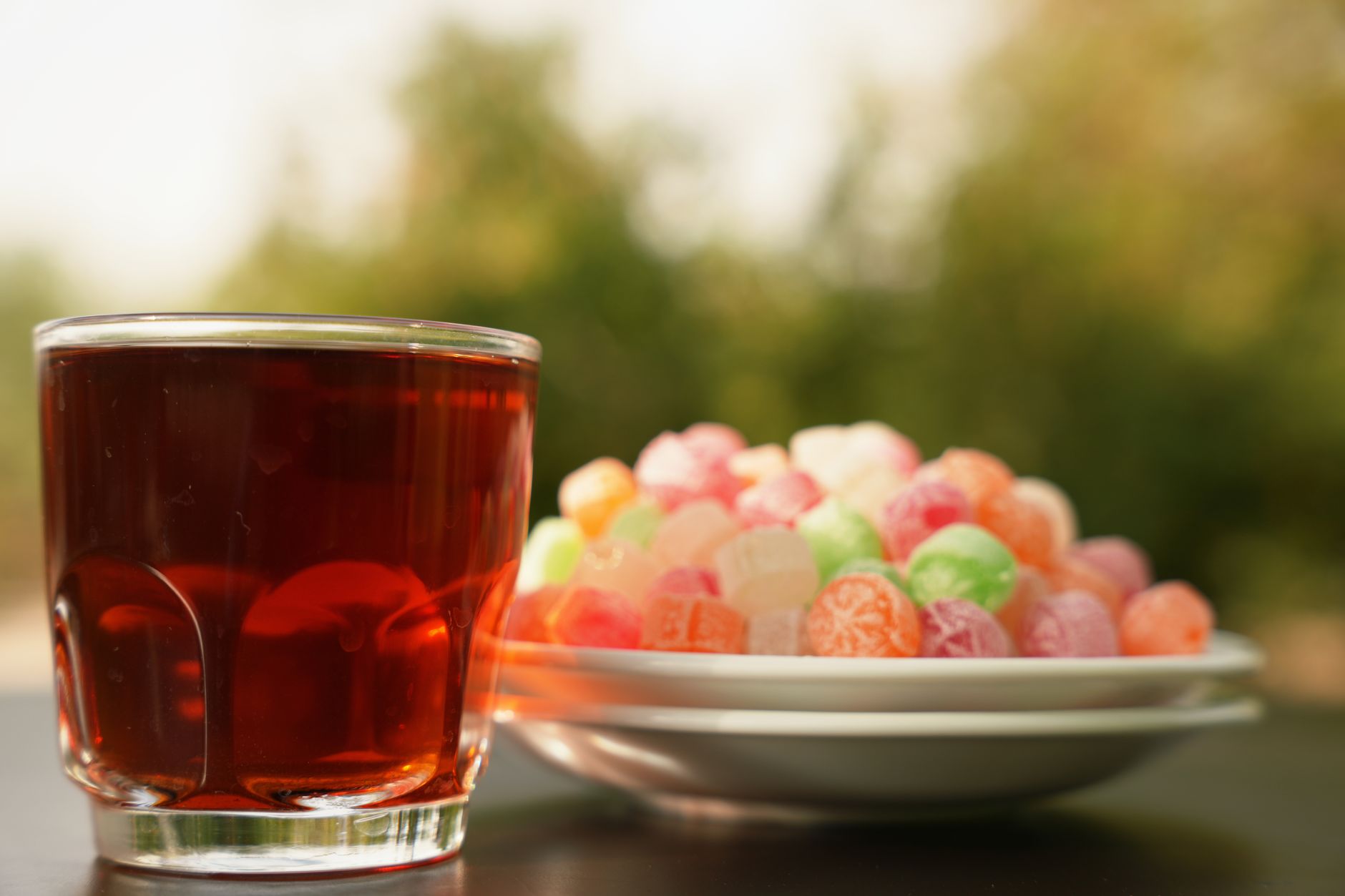
Sweet tea is a beloved beverage throughout the Southern United States, known for its refreshing, sugary flavor. But when enjoying a glass of this iced delight, many people wonder whether it contains caffeine. This article will delve into the caffeine content of sweet tea, how it compares to other drinks, and what to consider when enjoying this sweet treat.
The caffeine levels in sweet tea depend on several factors, including the type of tea used, brewing time, and whether additional ingredients are included. Understanding these elements can help you make informed choices about your sweet tea consumption, whether you’re looking to reduce caffeine intake or enjoy it in moderation.
Does Sweet Tea Have Caffeine In It?
Yes, sweet tea does contain caffeine. Typically, the caffeine content in sweet tea averages around 30–50 mg per 8-ounce serving, depending on the tea used and how it’s brewed. This is significantly lower than coffee but higher than many herbal teas.
Understanding the Basics of Caffeine
Caffeine is a natural stimulant found in various plants, and it affects the central nervous system, leading to increased alertness and energy levels. While many people enjoy caffeinated beverages for a morning boost, others may need to limit their caffeine intake due to health conditions or personal preference. Knowing what to expect in terms of caffeine content in sweet tea can aid in making dietary choices.
Sources of Caffeine in Sweet Tea
The primary source of caffeine in sweet tea is the tea leaves themselves. Black tea is most commonly used in sweet tea recipes, but green tea can also be a flavorful option. Each type of tea has a different caffeine content:
- Black Tea: Generally contains the most caffeine, about 40–70 mg per 8-ounce cup.
- Green Tea: Usually has less caffeine than black tea, averaging 20–45 mg per 8-ounce cup.
- Herbal Tea: Typically caffeine-free, making it a good alternative for those avoiding caffeine.
Caffeine Content Comparisons
To better understand sweet tea’s caffeine levels, comparing it to other common beverages is helpful:
| Beverage | Caffeine Content (per 8 oz) |
|---|---|
| Coffee (Brewed) | 95–200 mg |
| Black Tea | 40–70 mg |
| Green Tea | 20–45 mg |
| Espresso | 63 mg |
| Sweet Tea | 30–50 mg |
| Herbal Tea | 0 mg |
Factors Influencing Caffeine Levels in Sweet Tea
Several key factors influence how much caffeine ends up in your sweet tea. Understanding these can be beneficial for tailoring your drink to your preferences.
Type of Tea
The type of tea leaves used is perhaps the most significant factor affecting caffeine levels. As previously mentioned, black tea typically has the highest caffeine content, making it a common choice for sweet tea. If you’re looking for a lighter option, substituting black tea for green tea can reduce caffeine without sacrificing flavor.
Brewing Time
The duration of tea steeping plays a critical role in caffeine extraction. Generally, the longer the tea is steeped, the higher the caffeine content. For sweet tea:
- Steeping for 3–5 minutes yields more caffeine.
- Shorter steeping times (under 3 minutes) can result in a milder flavor and lower caffeine content.
Tea Strength and Concentration
Using more tea leaves or bags increases caffeine content in sweet tea. If you desire a caffeine boost, consider using more leaves while brewing. Conversely, for less caffeine, either use fewer leaves or choose a lighter tea.
Additional Ingredients
While sugar doesn’t affect caffeine content directly, other flavorings added to sweet tea may play a role. For example, some recipes call for fruit or herbs, which generally do not contribute caffeine but can enhance overall flavor.
Caffeine Sensitivity and its Effects
Understanding personal sensitivity to caffeine can greatly impact your enjoyment of sweet tea. Caffeine affects everyone differently, with some individuals experiencing jitteriness or an upset stomach even at low doses, while others can consume large quantities without issue. If you’re sensitive to caffeine, monitoring your consumption is wise.
Signs of Caffeine Sensitivity
- Increased heart rate
- Jitters or restlessness
- Difficulty sleeping
- Anxiety or nervousness
- Headaches
Alternatives for Caffeine-Free Beverages
If you find that sweet tea’s caffeine content is not suitable for your lifestyle, there are alternatives to enjoy. Here are some options:
- Caffeine-Free Herbal Teas: Varieties such as chamomile, peppermint, or rooibos can deliver delightful flavors without caffeine.
- Decaffeinated Black Tea: This option has most of its caffeine removed but retains the familiar black tea flavors.
- Fruit-Infused Water: Fresh or frozen fruits in water make a refreshing alternative to sweet tea.
- Iced Herbal Teas: Brew herbal teas and chill them for a refreshing iced drink.
Making Your Own Sweet Tea
Creating homemade sweet tea allows control over caffeine levels, sweetness, and flavor profile. Here’s a simple recipe to follow:
Homemade Sweet Tea Recipe
This recipe yields approximately 8 servings, with a prep time of 15 minutes and a chill time of 3 hours.
Ingredients
- 8 cups water
- 4–6 black tea bags (or to taste)
- 1–2 cups granulated sugar (adjust based on sweetness preference)
- Optional: lemon slices, mint leaves for garnish
Essential Equipment
- Large pot
- Measuring cups
- Stirring spoon
- Pitcher
Instructions
- Bring 8 cups of water to a boil in a large pot.
- Add tea bags once the water is boiling, then remove from heat. Allow the tea to steep for 5 minutes for stronger flavor or 3 minutes for lighter flavor.
- Remove the tea bags and stir in sugar until dissolved.
- Let the tea cool at room temperature for about 30 minutes, then transfer to the refrigerator for at least 1.5 hours to chill.
- Serve over ice and garnish with lemon slices or mint leaves if desired.
Common Mistakes to Avoid When Making Sweet Tea
There are some pitfalls to watch out for while making sweet tea:
- Oversteeping the Tea: This can lead to a bitter flavor. Stick to the recommended steeping time.
- Incorrect Sugar Ratios: Too much or too little sugar can impact sweetness. Adjust to personal preference.
- Not Cooling Properly: Sweet tea tastes best when cold. Be sure to chill it for an adequate time.
Storage and Serving Suggestions
Properly stored sweet tea can last for about three to five days in the refrigerator.
- Always keep it airtight to maintain freshness.
- Serve over ice for the best flavor, and consider adding lemon or fresh herbs for garnish.
Conclusion
Sweet tea is not only a refreshing treat but also contains caffeine, making it a popular beverage for many. Understanding its caffeine content, how it compares to other drinks, and how to craft your sweet tea can help you enjoy it wisely and deliciously. If you want a caffeine-free twist, explore various herbal teas and infusions. The next time you brew a batch of sweet tea, remember the factors that contribute to its unique flavor and caffeine kick, and enjoy this Southern classic.
For more delicious beverages and tea recipes, explore our Costa Rican tea recipe or try our refreshing peach tea recipe. Each of these drinks offers a unique flavor and can be enjoyed throughout the year!