
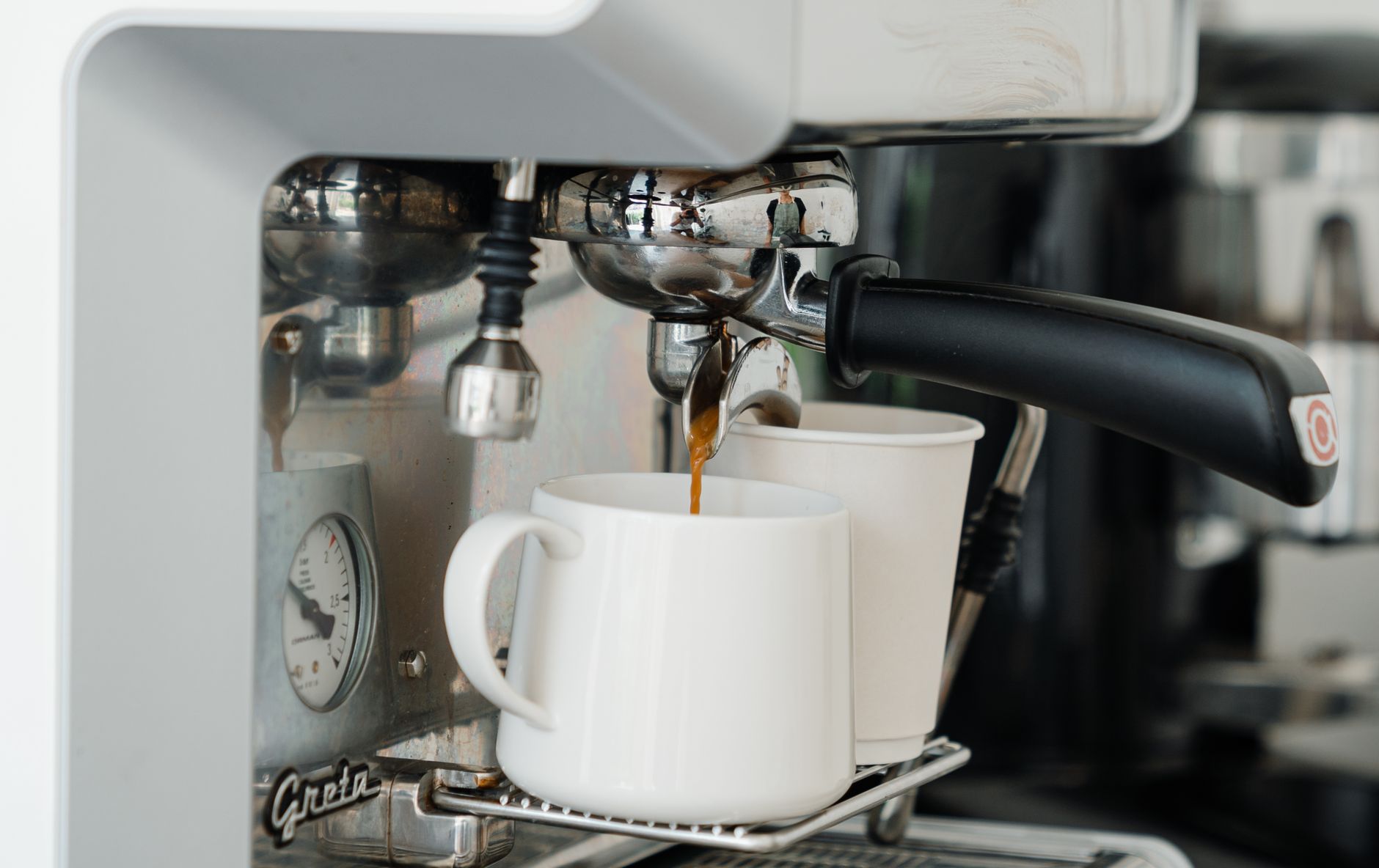
Instant coffee is well-loved for its convenience, making it an appealing option for those who want a quick caffeine fix. However, many coffee enthusiasts wonder if they can use instant coffee in a traditional coffee maker. This article will explore the compatibility of instant coffee with coffee makers, provide insights on brewing techniques, and discuss alternatives for achieving that perfect cup of coffee.
Understanding how instant coffee and coffee makers function can clarify whether they can work together. Let’s dive into the details, including the brewing process, flavor profiles, and some great alternatives that might just make your coffee experience even better.
Can You Put Instant Coffee In A Coffee Maker?
While you technically can put instant coffee in a coffee maker, it’s generally not effective or recommended. Instant coffee is designed to dissolve in hot water, and a coffee maker uses a brewing method that extracts flavor from ground coffee beans instead. Thus, using instant coffee in a coffee maker may not yield the desired coffee taste and experience.
Instant coffee is made by brewing ground coffee beans and then dehydrating the liquid into a soluble powder. This is a stark contrast to traditional brewing methods where water is used to extract flavors and oils from coffee grounds over a longer period. Here’s what you should consider if you’re tempted to mix the two.
The Brewing Process of Traditional Coffee
To appreciate why instant coffee doesn’t belong in a coffee maker, it helps to understand the coffee brewing process itself. When you brew coffee traditionally, you’re using boiling water to extract flavor compounds, oils, and aromas from coffee grounds. Here’s a simplified breakdown:
- Water Heating: The coffee maker heats water to an optimal temperature for extraction, usually between 195°F and 205°F (90°C to 96°C).
- Extraction: Hot water is poured over coffee grounds, encouraging flavor compounds, acids, and oils to dissolve into the water.
- Brewing Time: The brew time typically lasts between 4 to 6 minutes, depending on your coffee maker and the grind size of the coffee used.
- Filtering: The brewed coffee flows through a filter, leaving the coffee grounds behind.
This method is effective for maximum flavor extraction from coffee grounds. Instant coffee, being pre-brewed and dehydrated, skips this entire process meant for ground coffee.
How Instant Coffee Differs from Ground Coffee
Instant coffee and ground coffee differ significantly in their texture, flavor, and preparation method. Understanding these differences helps clarify why one may not be suitable for the equipment designed for the other:
- Texture: Instant coffee comes in granules or powder form, designed to dissolve quickly in hot water.
- Flavor: Ground coffee releases oils and flavors during the brewing process, leading to richer and more complex aromas compared to instant coffee, which may taste flat or one-dimensional.
- Preparation Time: Instant coffee can be prepared in just a minute, whereas traditional ground coffee requires machinery and patience for extraction.
Given these differences, putting instant coffee into a coffee maker is unlikely to enhance the coffee experience, and may result in subpar flavor.
Possible Methods for Brewing Instant Coffee
If you prefer to use instant coffee, there are several alternative brewing methods that can maximize its flavor and convenience:
1. Traditional Instant Coffee Preparation
This is the most straightforward method to prepare instant coffee:
- Boil Water: Heat water to just below boiling, about 200°F (93°C).
- Add Coffee: For a standard cup (8 oz), use 1 to 2 teaspoons of instant coffee granules.
- Combine: Pour the hot water over the coffee granules.
- Stir: Mix until completely dissolved, and enjoy!
2. Instant Coffee as an Ingredient in Recipes
Instant coffee can be used as an ingredient in various recipes to add flavor and caffeine without the need for brewing. Here are some ideas:
- Baking: Add instant coffee granules to chocolate cakes, brownies, or cookies to enhance the flavor.
- Smoothies: Blend instant coffee with a banana, yogurt, and your choice of milk for a quick smoothie.
- Ice Cream: Mix instant coffee into your ice cream base for a coffee-flavored treat.
3. Cold or Iced Coffee Preparation
If you’re a fan of iced coffee, instant coffee can also come in handy:
- Dissolve Granules: In a glass, mix 1 to 2 teaspoons of instant coffee with a small amount of hot water until dissolved.
- Add Cold Water or Milk: Fill the glass with cold water or milk and stir.
- Pour Over Ice: Add ice cubes and enjoy.
Alternatives to Instant Coffee
If you are considering alternatives to instant coffee, several options can give you a fresher taste and a fine coffee experience:
1. Ground Coffee
Using fresh ground coffee ensures a fuller flavor profile. Consider the following:
- Choose a grind size that fits your brewing method. Typically, medium grind works best for drip coffee makers.
- Store ground coffee in an airtight container to retain freshness.
2. Coffee Pods
For those seeking convenience without sacrificing quality, coffee pods are a viable option. Pods are designed to work perfectly with single-serve machines, providing fresh coffee with minimal effort.
3. Cold Brew
Cold brew coffee is another trendy alternative. The brewing process requires time but yields a smooth, less acidic coffee:
- Combine: Mix coarsely ground coffee with cold water using a 1:4 ratio.
- Steep: Allow to steep in the fridge for 12-24 hours.
- Filter: Strain the mixture through a fine mesh strainer or coffee filter.
Practical Tips for Using Instant Coffee
While traditional methods may yield a better flavor profile, if you decide to stick with instant coffee, here are some helpful tips:
- Mix with Milk: Mix instant coffee with milk to soften the flavor and create a smoother drink.
- Add Sweeteners: Don’t shy away from sweeteners like sugar, honey, or flavored syrups to enhance the coffee taste.
- Experiment: Try combining instant coffee with chocolate or spices like cinnamon for a twist.
Common Mistakes When Using Instant Coffee
Even though instant coffee is straightforward, several common mistakes can dull your experience:
- Using Too Much Water: Make sure you’re following the recommended coffee-to-water ratio for optimal flavor.
- Not Dissolving Properly: Ensure that you stir well until all granules are fully dissolved for an even taste.
- Ignoring Water Temperature: Water that is too hot can lead to a bitter flavor, while water that is too cold won’t extract properly.
Conclusion
While using instant coffee in a coffee maker may seem like a simple solution for a quick cup of coffee, it typically does not deliver the flavor and experience that many seek. Instead, instant coffee shines when prepared traditionally or used creatively in recipes.
Consider fresh ground coffee or alternative brewing methods to elevate your coffee experience. Whether you stick with instant coffee or venture into traditional styles, the most important aspect is that you enjoy each cup!
If you’re looking for new coffee recipes or preparation tips, explore our guides on iced coffee concentrate and cold brew coffee concentrate for exciting ways to enjoy your next cup.