
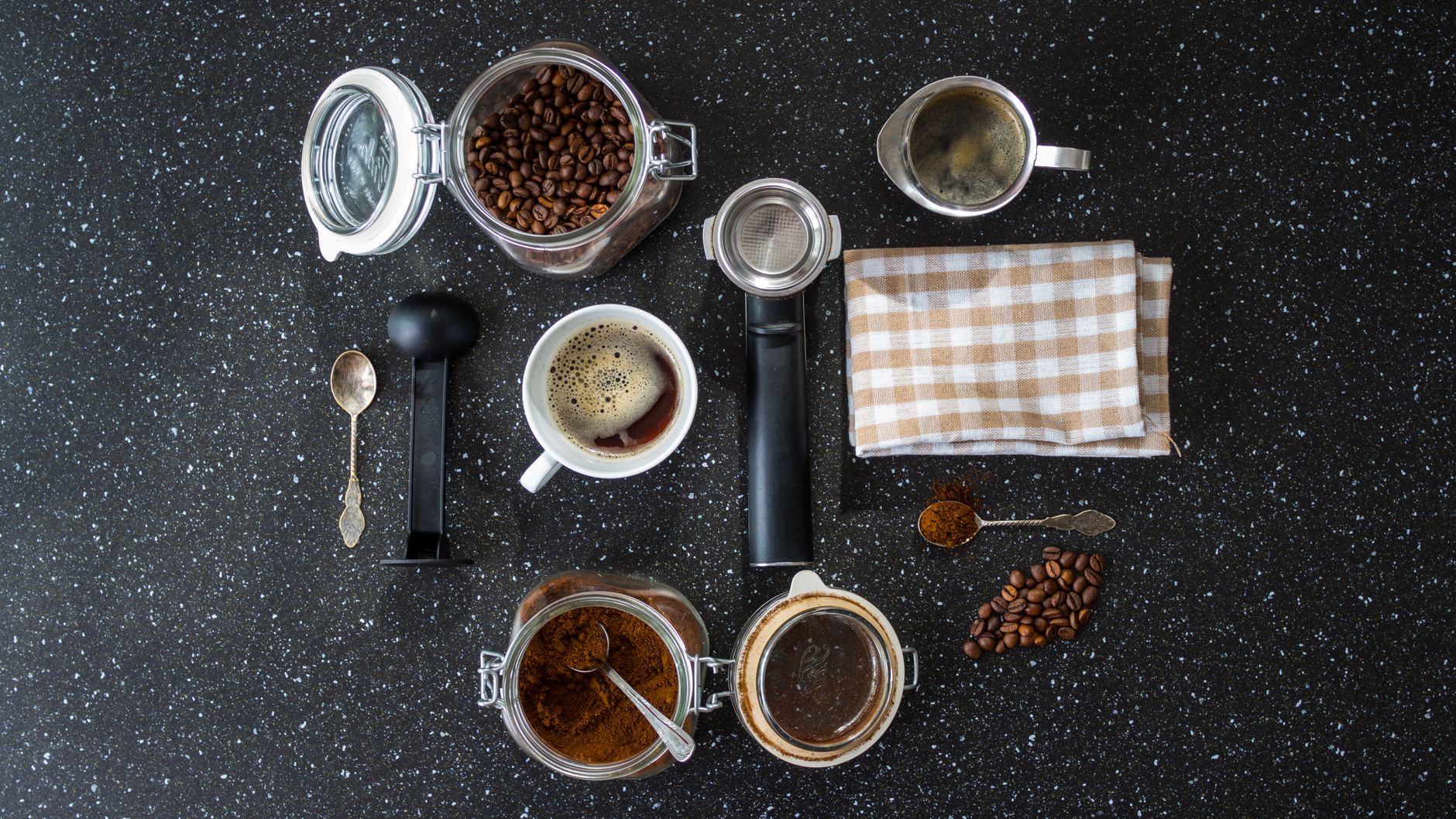
For many coffee lovers, brewing the perfect cup of coffee is an art form. Understanding the right ratio of coffee grounds to water is particularly crucial when making larger quantities. You may wonder, “How many scoops for 8 cups of coffee?” This guide provides you with all the insights you need for brewing delicious coffee.
In this article, we will discuss the appropriate measurements, methods, and tips for brewing 8 cups of coffee. You’ll learn about the essential ingredients, equipment, and the science of coffee brewing, empowering you to brew the ideal cup every time.
How Many Scoops For 8 Cups Of Coffee?
To brew 8 cups of coffee, you typically need about 16 tablespoons (or 1 cup) of coffee grounds. This measurement is based on the general guideline of using 2 tablespoons of coffee for every 6 ounces of water. However, individual preferences for coffee strength may require slight adjustments to these measurements.
Understanding Coffee Measurements
Before diving into the brewing process, it’s essential to understand how coffee measurements work. Coffee is usually measured in scoops or tablespoons, and the volume of your coffee cup can vary widely.
- A standard coffee cup is typically considered to be 6 ounces. However, many coffee makers measure a “cup” as 5 ounces.
- Most coffee aficionados use about 2 tablespoons (10 grams) of ground coffee for every 6 ounces of water.
- In general, the stronger your coffee, the more coffee grounds you will need.
Basic Ingredients for Brewing 8 Cups of Coffee
The primary ingredient in coffee is, of course, the coffee grounds. Additionally, you will need water, which can have a significant impact on the flavor of your brew.
- Coffee Grounds: Choose your favorite coffee type, whether it’s whole bean, ground, or specialty blends.
- Water: Use filtered or bottled water for the best flavor; tap water with strong flavors can alter the coffee’s taste.
Essential Equipment for Brewing Coffee
Having the right equipment makes a big difference in the brewing process. Here’s what you need:
- Coffee Maker: Any standard drip coffee maker will work.
- Coffee Grinder: If you’re using whole beans, a good grinder will allow you to grind your coffee to the desired coarseness.
- Measuring Spoon: A tablespoon is essential for measuring coffee grounds accurately.
- Water Pitcher: For measuring water accurately, especially if your coffee maker doesn’t have built-in measurements.
Step-by-Step Guide to Brew 8 Cups of Coffee
Follow these simple steps to brew 8 cups of coffee:
- Measure Water: Fill your coffee maker with 48 ounces (6 cups) of water for 8 standard cups of coffee.
- Measure Coffee Grounds: Measure out 16 tablespoons (or 1 cup) of coffee grounds. You can adjust this based on your preference for strength.
- Prepare Coffee Maker: Place a coffee filter in the basket of your coffee maker, and add the coffee grounds to the filter.
- Brew Coffee: Turn on your coffee maker and wait for the brewing process to complete. This will take about 5-10 minutes.
- Serve: Once brewed, serve the coffee in cups and enjoy it hot.
Tips for the Perfect Brew
To achieve that perfect cup of coffee, consider these helpful tips:
- Use Fresh Coffee: Always use coffee beans that are freshly roasted or ground for the best flavor.
- Experiment With Grind Size: The grind size can greatly affect extraction time and flavor; coarser grinds work well for cold brews, while finer grinds work for espresso.
- Adjust Coffee-to-Water Ratio: Don’t hesitate to adjust your coffee-to-water ratio based on your taste preferences.
- Store Coffee Properly: Keep coffee in an airtight container away from heat, light, and moisture to maintain freshness.
Common Mistakes to Avoid When Brewing Coffee
Here are a few common mistakes that can detract from the quality of your coffee:
- Using Old Coffee: Avoid using stale or expired coffee, as it can lead to an unpleasant flavor.
- Incorrect Water Temperature: The optimal water temperature for brewing coffee is between 195-205°F. Water that is too hot or too cold can result in over-extraction or under-extraction.
- Not Cleaning Your Equipment: Coffee oils and residue can build up in your brewing equipment, affecting flavor over time. Regularly clean your coffee maker and utensils.
Alternatives to Traditional Brewing Methods
If you’re looking to diversify your coffee-making routine, consider these alternative methods:
- French Press: This method offers a rich and full flavor. Use 1 cup (8 tablespoons) of coarsely ground coffee for every 4 cups of water.
- Pour-Over: Place a filter in the conical dripper and add grounds; pour water over them gradually for a nuanced taste.
- Cold Brew: Use a coarse grind and steep in cold water for about 12-24 hours; this method results in a smooth, low-acidity coffee.
How Coffee Strength Affects Brewing
The strength of your coffee is influenced by the coffee-to-water ratio you choose. Here’s a breakdown of different strengths:
- Light Brew: Use about 12 tablespoons of coffee grounds for 8 cups of water.
- Medium Brew: Stick to the standard 16 tablespoons of coffee grounds.
- Strong Brew: A bold flavor can be achieved with 20 tablespoons of coffee grounds.
Flavor Profiles and Coffee Types
Different coffee beans provide unique flavor profiles. Here are some common types:
- Arabica: Known for its sweet, complex flavor, often with hints of fruit or sugar.
- Robusta: Has a stronger, more bitter taste and higher caffeine content.
- Specialty Blends: Consider trying blends from different regions for a unique taste experience.
Serving Suggestions and Pairings
Enhance your coffee experience with these serving suggestions:
- Milk and Cream: If you prefer your coffee lighter, consider adding whole milk, cream, or non-dairy alternatives.
- Syrups and Flavors: Flavor your coffee with vanilla, hazelnut, or seasonal spices like cinnamon or nutmeg.
- Snacks: Pair coffee with pastries, cookies, or breakfast dishes for a full experience.
Common Coffee-Related Questions
What Is the Best Coffee For Brewing?
The best coffee for brewing often depends on personal preference. Choose high-quality beans that suit your taste—try various roasts (light, medium, dark) to find your favorite.
Can I Brew Coffee Without a Coffee Maker?
Yes, you can brew coffee using a French press, pour-over method, or even by steeping coffee in hot water and then straining it.
How to Store Coffee for Maximum Freshness
Proper storage can help maintain the freshness of coffee:
- Airtight Containers: Use containers that seal tightly to protect against air exposure.
- Cool, Dark Places: Store coffee away from sunlight and heat sources, such as ovens or stovetops.
- Avoid Refrigeration: While some believe refrigeration extends freshness, it can introduce moisture that affects flavor.
Making Adjustments Based on Filters
If you’re using different filters, it can change the brew’s flavor profile:
- Paper Filters: Tend to absorb oils but provide a clean cup. You might want to adjust the coffee amount slightly based on taste.
- Metal Filters: Allow oils to pass through, resulting in a fuller-bodied coffee. Adjust coffee quantity if necessary for taste.
Conclusion
Understanding how many scoops to use for 8 cups of coffee and the nuances involved in brewing can drastically improve your coffee experience. Experiment with personal preferences, whether changing the type of beans or adjusting the ratios. Unlock the potential for a great cup of coffee today.
Explore related recipes and guides to further your culinary discoveries, such as coffee punch recipes and iced coffee concentrate recipes.