
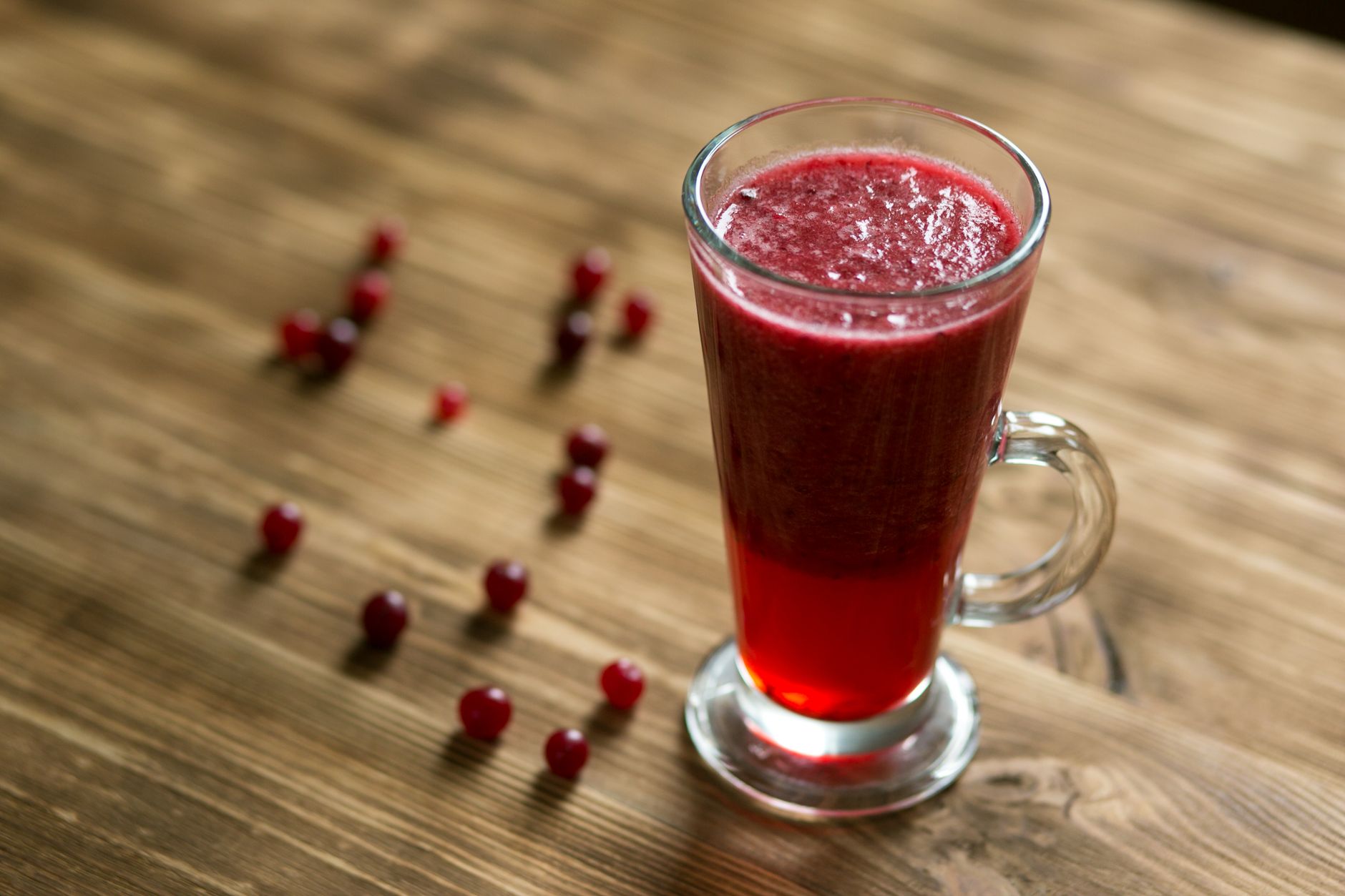
Cranberry juice is a popular beverage known for its unique tart flavor and vibrant color. Many people wonder about its effects on the body, particularly regarding urination. This article explores whether cranberry juice actually makes you pee more, delving into its properties, effects on hydration, and any potential health implications.
The science behind cranberry juice’s effect on urination involves its ingredients and how they interact with our bodies. Understanding this can help you decide whether to include it in your diet and how much to consume, as well as the benefits it might provide.
Does Cranberry Juice Make You Pee?
Cranberry juice can increase urine production due to its high water content and natural diuretic properties. However, the extent of this effect may vary among individuals. Many people experience an increase in urination after consuming cranberry juice, partly because it’s often consumed in larger quantities as a beverage. Moderate consumption is usually safe and can be beneficial.
The Components of Cranberry Juice
To understand how cranberry juice may affect urination, it’s important to look at what it’s made up of:
- Water: Cranberry juice contains a high percentage of water, which helps hydrate the body and can lead to increased urine production.
- Sugars: Natural sugars present in the juice can also influence thirst and hydration levels.
- Acids: The organic acids in cranberry juice contribute not only to its tart flavor but also have a mild diuretic effect.
- Vitamins and Antioxidants: Cranberries are rich in vitamin C and antioxidants, which provide various health benefits.
What Are Diuretics?
Diuretics are substances that promote urination by increasing the production of urine in the kidneys. Foods and drinks such as cranberry juice, caffeine, and alcohol may exhibit diuretic effects. Cranberry juice, in particular, is often cited for its natural diuretic properties, which can be beneficial for those looking to flush out their system or maintain urinary tract health.
How Cranberry Juice Affects Urination
The diuretic effect of cranberry juice can be attributed to a few factors:
- Increased Fluid Intake: When consuming cranberry juice, people often drink a larger volume of fluid, leading to an increased need to urinate.
- Presence of Organic Acids: The organic acids found in cranberries (like citric and benzoic acid) can aid in urinary tract health and contribute to increased urine flow.
- Antioxidant Properties: Antioxidants help combat inflammation and may promote overall kidney and bladder health, indirectly influencing urination.
Potential Health Benefits of Cranberry Juice
Beyond the question of urination, cranberry juice has been associated with several health benefits:
- Urinary Tract Health: Cranberry juice is most famously linked to the prevention of urinary tract infections (UTIs) by preventing bacteria from adhering to the bladder walls.
- Antioxidant Effects: The antioxidants in cranberries can help reduce oxidative stress and inflammation in the body.
- Cardiovascular Health: Some studies suggest that cranberry juice may help lower blood pressure and improve cholesterol levels.
- Digestive Health: The fiber in whole cranberries can aid digestion, although cranberry juice may not provide the same benefits due to lower fiber content.
How Much Cranberry Juice Should You Drink?
While cranberry juice can be beneficial, moderation is key. Here are some guidelines:
- 8 to 16 Ounces Daily: Consuming 8 to 16 ounces per day is a good start for those looking to reap its benefits without overdoing it.
- Opt for Unsweetened Juice: Choose pure unsweetened cranberry juice to avoid excess sugars that can counteract health benefits.
- Listen to Your Body: If you notice increased urination that becomes inconvenient or bothersome, consider reducing your intake.
Common Myths About Cranberry Juice
Several myths surround cranberry juice that warrant clarification:
- Myth 1: Cranberry Juice Cures UTIs: While it can help prevent UTIs, it shouldn’t be a substitute for medical treatment.
- Myth 2: All Cranberry Juice Products Are Healthy: Many commercially available juices contain added sugars and other preservatives that diminish their health benefits.
- Myth 3: You Cannot Drink Too Much Cranberry Juice: Overconsumption can lead to stomach upset and increased urination, which may not be comfortable.
Possible Side Effects
Cranberry juice is generally safe for most people when consumed in moderation, but it can cause some side effects:
- Gastrointestinal Issues: High amounts can lead to stomach upset or diarrhea, especially in sensitive individuals.
- Kidney Stones: Cranberry juice is high in oxalates, which can contribute to kidney stone formation in some individuals.
- Interactions with Medications: Cranberry juice can interact with certain medications, especially blood thinners like warfarin.
Alternatives to Cranberry Juice
If you’re looking for alternatives to cranberry juice that still provide hydration and other health benefits, consider these options:
- Blueberry Juice: It offers similar antioxidant benefits and a mildly sweet flavor.
- Pomegranate Juice: Known for its health benefits, it can also help support urinary health.
- Lemon Water: Provides hydration with a refreshing flavor without the concentrated sugars found in juice.
Incorporating Cranberry Juice into Your Diet
There are various ways to enjoy cranberry juice beyond simply drinking it:
- Cocktails: Use cranberry juice as a mixer in cocktails for a refreshing addition.
- Smoothies: Blend cranberry juice with fruits and greens for a nutrient-packed smoothie.
- Cooking and Baking: Incorporate cranberry juice into sauces or baked goods for added flavor and tang.
Storage and Shelf Life
Proper storage of cranberry juice can maintain its quality and freshness:
- Refrigeration: Once opened, store cranberry juice in the refrigerator to keep it fresh. Consume within 7 to 10 days after opening.
- Freezing: Cranberry juice can be frozen in ice cube trays for later use in drinks or recipes.
Conclusion
Cranberry juice can indeed make you pee more due to its high water content and mild diuretic effects. Moderation and careful selection of the product are essential for enjoying its benefits while minimizing potential downsides. If you’re seeking a refreshing beverage that also supports urinary tract health, cranberry juice can be a great addition to your diet.
Explore recipes and tips that enhance your culinary experiences, such as our guide to making fresh cranberry juice or a delicious cranberry Paloma cocktail.