
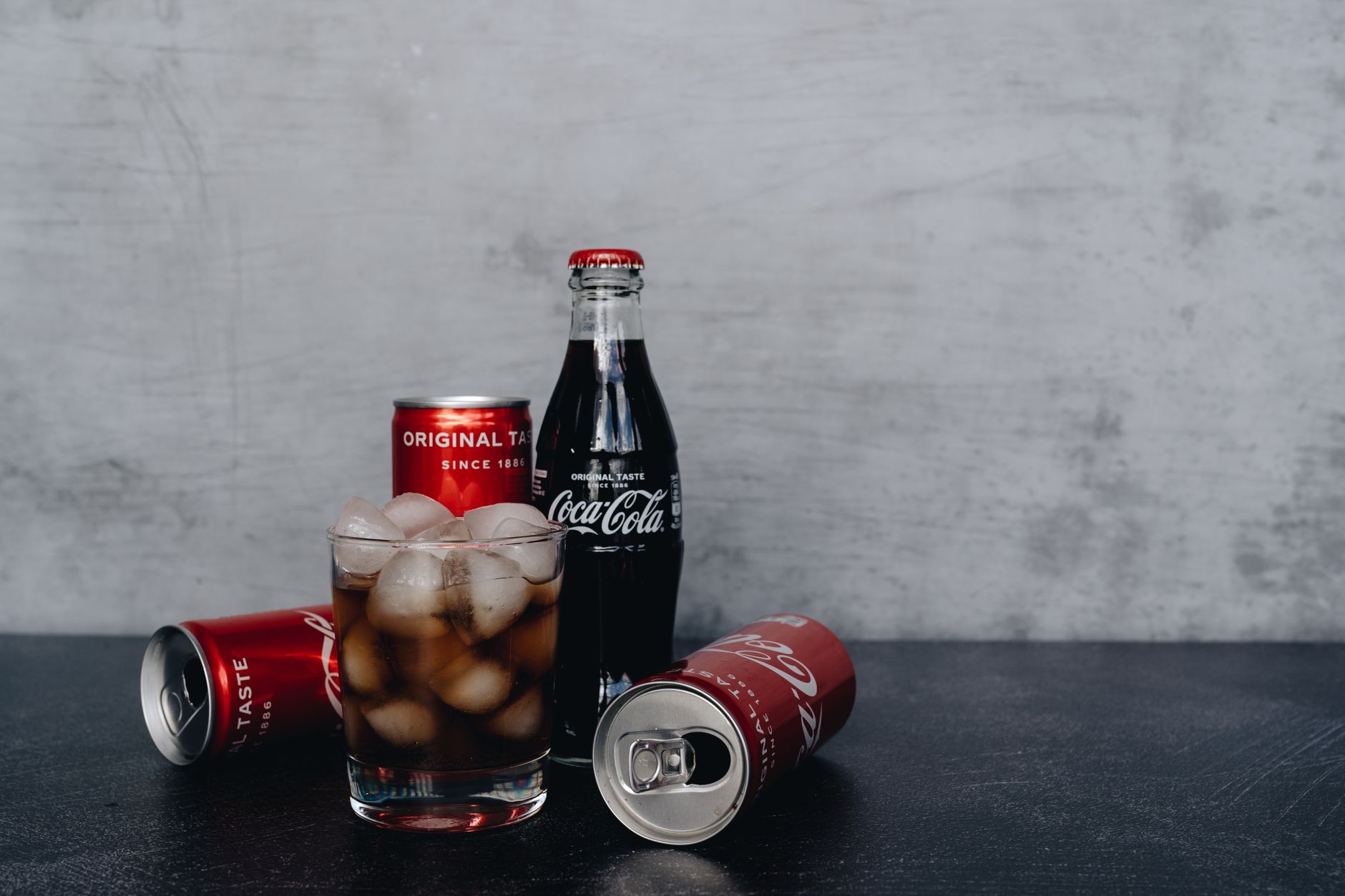
Diet Coke is a popular beverage choice for those looking to reduce sugar intake while still enjoying a fizzy drink. However, many individuals question whether Diet Coke might lead to weight gain or negatively impact their health goals. This article delves into the facts surrounding Diet Coke, exploring its ingredients, potential effects on weight, and what the research says.
Understanding the relationship between Diet Coke and weight gain requires a closer look at the artificial sweeteners it contains, how they interact with the body, and other dietary factors that may contribute to overall weight management.
Does Diet Coke Make You Gain Weight?
The short answer is that Diet Coke itself does not contain calories, so it theoretically shouldn’t contribute directly to weight gain. However, some research suggests that the consumption of artificially sweetened beverages might influence appetite and metabolic responses, which can sometimes lead to increased caloric intake.
Let’s explore the science behind Diet Coke’s ingredients, its impact on satiety, cravings, and long-term weight management.
Understanding Diet Coke: Ingredients and Nutrition
Diet Coke is a carbonated soft drink that uses artificial sweeteners to provide sweetness without calories. Its primary ingredients include:
- Carbonated Water
- Caramel Color
- Phosphoric Acid
- Caffeine
- Natural Flavors
- Potassium Benzoate (preservative)
- Aspartame (artificial sweetener)
Aspartame is the primary artificial sweetener used in Diet Coke, which is about 200 times sweeter than sucrose (table sugar). Because of its intense sweetness, small amounts are used to achieve the desired flavor without adding calories.
Nutritional Facts
For a standard 12 fl oz (355 mL) serving of Diet Coke, the nutrition facts typically look like:
| Nutrient | Amount per Serving |
|---|---|
| Calories | 0 |
| Sugar | 0 g |
| Caffeine | 46 mg |
The Impact of Artificial Sweeteners on Weight
Scientific research on the impact of artificial sweeteners is ongoing, but several studies suggest there might be a few mechanisms at play regarding weight management:
1. Appetite Regulation
Some studies indicate that consuming artificially sweetened beverages can alter the body’s feedback mechanisms that regulate hunger. While they do not contain calories, the sweetness can trick the brain into anticipating calorie intake, potentially leading to increased hunger or cravings for sweet foods.
2. Changes to Gut Microbiota
Emerging research points to the possible effects of artificial sweeteners on gut bacteria. Some studies suggest that these sweeteners may disrupt the balance of gut microbiota, which can impact metabolic health and fat storage.
3. Behavioral Factors
The consumption of diet drinks can sometimes lead to a psychological effect termed “compensatory eating,” where individuals feel justified in consuming more calories because they saved calories by choosing a diet drink.
What Do the Studies Say?
Several studies have investigated the relationship between diet soda consumption and weight change:
- A 2016 study published in the journal “Obesity” found that individuals who regularly consume diet sodas may be at a greater risk of obesity and metabolic syndrome.
- Data from the Framingham Heart Study indicated that habitual diet soda drinkers gained more weight over time compared to those who did not drink diet sodas.
- Conversely, some studies conclude that moderated consumption of diet sodas can be a successful method for managing weight as part of a broader dietary strategy.
Overall, the evidence remains conflicting, with additional factors such as overall diet, lifestyle, and individual metabolism playing significant roles in weight management.
Key Considerations for Diet Coke Consumption
If you’re considering including Diet Coke in your diet, here are a few practical tips and considerations:
1. Moderation is Key
Consuming Diet Coke in moderation is generally regarded as safe for most individuals. However, be mindful of your overall diet; relying on diet sodas while maintaining a high-calorie diet from other sources may negate potential benefits.
2. Pay Attention to Cravings
Be aware of how drinking Diet Coke affects your cravings. If you find that it increases your desire for sweets or leads to overeating, consider reducing your intake.
3. Balance Your Diet
Ensure that your overall diet is balanced and nutrient-rich, which can help mitigate any potential negative effects of artificial sweeteners. Focus on whole foods, fruits, vegetables, lean proteins, and healthy fats.
4. Hydration Choices
Consider choosing water, herbal teas, or sparkling water as hydration options. This can help limit your intake of both sugar and artificial sweeteners.
Potential Side Effects of Diet Coke
While Diet Coke is generally recognized as safe for most people, there can be some side effects associated with its consumption, particularly in large amounts:
- Caffeine Sensitivity: Some individuals are sensitive to caffeine and may experience jitters, restlessness, or trouble sleeping.
- Dental Health: The acidity of diet sodas can affect dental enamel over time.
- Possible Gastrointestinal Discomfort: Some people may experience bloating or gas from carbonated beverages.
Diet Coke and Weight Loss: The Broader Picture
If the consideration is losing weight, it’s important to adopt a holistic approach, as Diet Coke by itself won’t be a determining factor. Here are some practical strategies to implement in your weight-loss journey:
1. Balanced Nutrition
Focus on whole foods that are rich in nutrients. This includes fruits, vegetables, whole grains, lean proteins, and healthy fats.
2. Regular Physical Activity
Engage in physical activities that you enjoy. Whether through sports, walking, or gym workouts, regular exercise is essential for weight management and overall health.
3. Mindful Eating
Practice mindful eating by being attentive to your food choices and recognizing hunger and fullness cues. This can help in making conscious dietary decisions and reducing binge eating.
4. Seek Professional Guidance
Consulting with a registered dietitian can provide personalized advice tailored to your dietary preferences and health goals.
Practical Summary
Diet Coke alone is unlikely to cause weight gain since it contains no calories. However, individual responses vary, and some potential indirect effects on appetite and metabolism could play a role in overall weight management. Moderation, combined with a balanced diet and healthy lifestyle, is essential.
Understanding your body’s responses and listening to how diet soda consumption makes you feel can empower you to make informed dietary choices.
Ultimately, consider Diet Coke as part of a larger dietary picture, focusing on quality nutrition and maintaining an active lifestyle.
For those interested, exploring our guides on healthy snacks or effective meal planning can offer practical tools for integrating nutritious choices into your daily routine.