
Imagine the aroma of hops and malt wafting through your kitchen as you create your very own beer. The Beer Recipe Program is not just about brewing; it’s a delightful blend of chemistry and creativity that results in a refreshing beverage tailored to your taste. This recipe allows you to explore flavors, experiment with ingredients, and produce a satisfying drink. Plus, the joy of sharing your homemade beer with friends and family is a reward all its own. Ready to get started? Let’s dive into the details.
Why You’ll Love This Recipe
This recipe is perfect for both beginners and seasoned brewers. You’ll appreciate the satisfaction of crafting something unique.
- Engaging process that combines art and science.
- Customizable flavors to suit your palate.
- Great for celebrations or quiet evenings.
- Cost-effective compared to store-bought options.
- A fun activity to share with friends or family.
My Experience Making This Recipe
The first time I brewed beer, I was filled with excitement and a hint of nervousness. As the sweet aroma of malt filled the air, I knew I was in for a treat.
When I finally took that first sip of my homemade brew, the sense of accomplishment was unbeatable. Friends couldn’t believe I made it myself!
Recipe Overview
- Recipe Name: Beer Recipe Program
- Servings: Approximately 5 gallons
- Prep Time: 30 minutes
- Cook Time: 1 hour
- Total Time: 1 hour 30 minutes
- Course: Beverage
- Cuisine: Various
- Calories per Serving: Varies by recipe
Equipment You Will Need
- Brew kettle (at least 5 gallons)
- Fermentation vessel with airlock
- Sanitizer solution
- Hydrometer
- Bottling bucket
- Wort chiller (optional but recommended)
- Bottles and caps
- Stirring spoon
- Thermometer
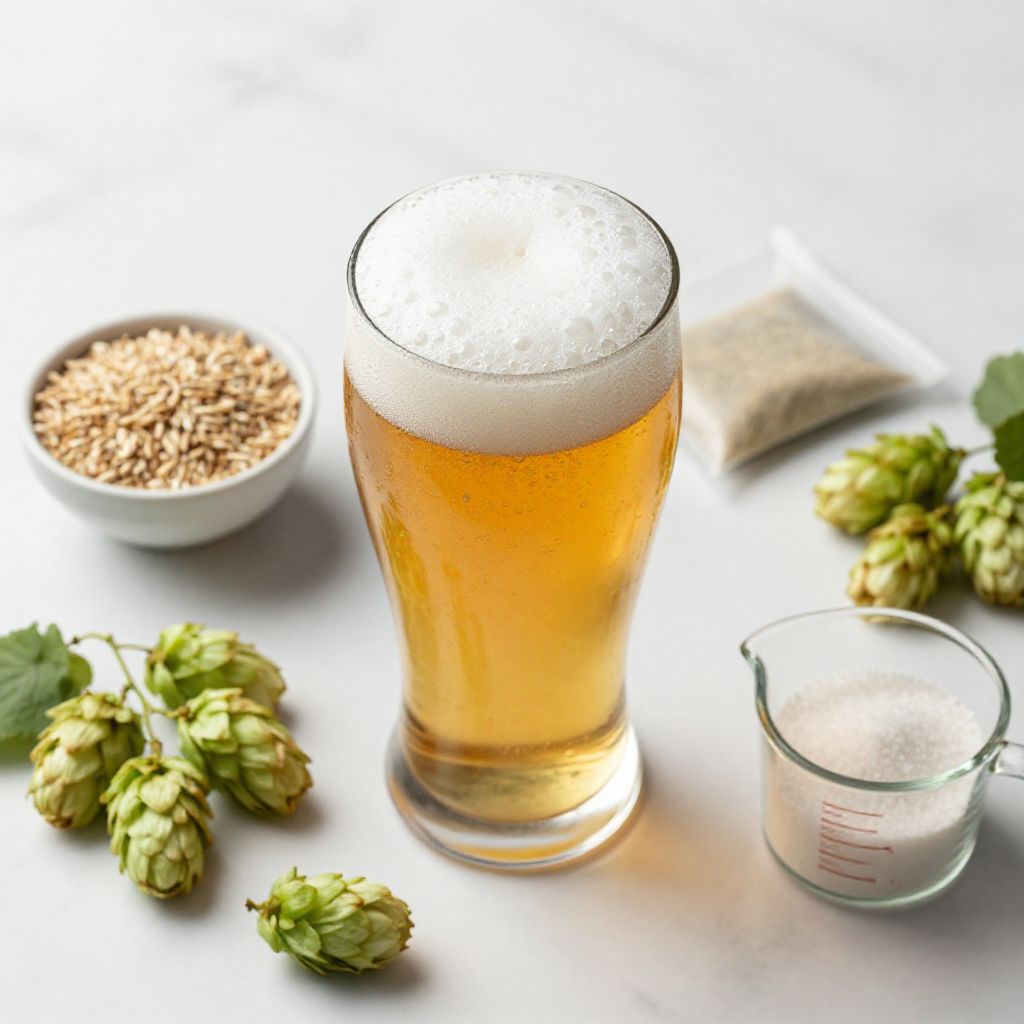
Ingredients for Beer Recipe Program
- Malted barley: 10 lbs
- Hops: 1 oz (for bitterness) and 1 oz (for aroma)
- Yeast: 1 packet of ale or lager yeast
- Water: 5 gallons (filtered preferred)
- Priming sugar: 3/4 cup (for carbonation)
Ingredient Notes and Substitutions
- Malted barley: This is the primary fermentable ingredient. You can substitute with malt extract if preferred.
- Hops: Used for bitterness and aroma. Use any variety that suits your taste.
- Yeast: Different yeasts create different flavors. Experiment with various strains.
- Water: Quality matters for flavor. Bottled or filtered water is best.
- Priming sugar: This aids carbonation. You can use corn sugar or table sugar.
How to Make Beer Recipe Program
Step 1: Prepare Your Equipment
Start by sanitizing all your equipment. Sanitation is crucial to prevent unwanted bacteria from spoiling your beer.
Step 2: Heat the Water
In your brew kettle, heat 3 gallons of water to around 160°F. This temperature helps extract sugars from the malt effectively.
Step 3: Add the Malted Barley
Add the malted barley to the hot water and stir well. This process, called mashing, converts starches into fermentable sugars.
Step 4: Maintain the Temperature
Keep the mash at around 150-155°F for one hour. This step is key for achieving the right sweetness in your beer.
Step 5: Sparge the Grain
After an hour, you’ll need to sparge, or rinse, the grains with hot water to extract more sugars. Use about 3 gallons of hot water for this process.
Step 6: Boil the Wort
Bring the extracted liquid, known as wort, to a boil. Boiling sterilizes the wort and helps incorporate hops.
Step 7: Add Hops
During the boil, add the first batch of hops to contribute bitterness. After 45 minutes, add the second batch for aroma.
Step 8: Cool the Wort
After boiling for an hour, cool the wort quickly using a wort chiller or an ice bath. Rapid cooling prevents off-flavors.
Pro Tip: Always taste your wort before fermentation; it gives you a hint of the final flavor!
Tips for the Best Beer Recipe Program
- Use fresh ingredients for the best flavor; stale hops can ruin your brew.
- Keep a clean workspace to avoid contamination.
- Be patient during fermentation; good things take time.
- Experiment with different hops and malts to find your favorite flavor profile.
- Keep notes on each batch for future reference and improvement.
Common Mistakes to Avoid
- Skipping sanitization can lead to a spoiled batch.
- Not maintaining temperature during mashing can affect sugar extraction.
- Boiling too long can cause unwanted bitterness.
- Rushing fermentation leads to off-flavors.
- Failing to cool the wort quickly can lead to contamination.
Serving Suggestions
Your homemade beer can be enjoyed on its own or paired with food. Here are some pairing ideas:
- Grilled meats for a smoky, savory experience.
- Spicy dishes to balance the heat.
- Cheeses for a delightful contrast.
- Salty snacks to enhance the flavors.
- Chocolate desserts for a rich finish.
Variations to Try
- Try different types of hops for unique flavor profiles.
- Use fruit during fermentation for a refreshing twist.
- Add spices like coriander or cinnamon for a seasonal touch.
- Experiment with different grains like wheat or rye for varied texture.
- Create a sour beer by introducing wild yeast strains.
Dietary Adaptations
- Gluten-free: Use gluten-free grains like sorghum or rice.
- Dairy-free: This recipe is naturally dairy-free.
- Vegan: All ingredients are plant-based, making it vegan-friendly.
- Low-carb: Use malt extract with lower sugar content.
Storage and Reheating
Refrigerator
Store your beer in a cool, dark place or in the refrigerator.
- Consume within 3 months for optimal flavor.
- Avoid exposure to light to prevent off-flavors.
Freezer
It is not recommended to freeze your beer as it can alter the flavor and carbonation.
- Freezing may cause bottles to break.
Reheating
Beer is best served cold and should not be reheated.
- Chill in the fridge or ice bath before serving.
Nutrition Information
| Nutrient | Amount |
|---|---|
| Calories | 150 |
| Total Fat | 0g |
| Saturated Fat | 0g |
| Carbohydrates | 13g |
| Fiber | 0g |
| Sugar | 0g |
| Protein | 1g |
| Sodium | 5mg |
| Cholesterol | 0mg |
Nutrition values may vary based on the ingredients used and the brewing process.
Frequently Asked Questions
Can I use different types of hops?
Absolutely! Different hops add various flavors and aromas to your beer.
How long can I store homemade beer?
Homemade beer can last up to three months if stored properly in a cool, dark place.
Can I make this recipe ahead of time?
You can brew your beer in advance, just remember it needs time to ferment and carbonate.
What if my beer tastes off?
Off-flavors can result from poor sanitation or fermentation issues. Tasting your wort can help catch problems early.
Can I carbonate my beer without priming sugar?
Yes, you can use CO2 tanks instead of priming sugar for carbonation, but it requires special equipment.
Final Thoughts
Brewing your own beer is a rewarding adventure filled with flavor and creativity. I encourage you to experiment and enjoy every step of the process.
Embrace the art of brewing and create something delicious. For more delicious recipes, explore the Beer Recipe Program or try making fermented ginger beer for a refreshing twist.
Beer Recipe Program
Ingredients
Equipment
Method
- Sanitize all your equipment to prevent unwanted bacteria.
- In your brew kettle, heat 3 gallons of water to around 160°F.
- Add the malted barley to the hot water and stir well.
- Maintain the mash at around 150-155°F for one hour.
- Sparge the grains with about 3 gallons of hot water.
- Bring the extracted liquid, known as wort, to a boil.
- During the boil, add the first batch of hops for bitterness.
- After 45 minutes, add the second batch of hops for aroma.
- Cool the wort quickly using a wort chiller or an ice bath.