
Imagine the sweet aroma of ripe pears filling your kitchen as you embark on the delightful adventure of making your own Pear Wine. This homemade recipe is not only a fun project but also a wonderful way to capture the essence of fresh pears in a bottle. With its fruity flavor and smooth finish, this wine is perfect for sipping on a warm evening or sharing with friends at your next gathering. Plus, it’s surprisingly easy to make with just a few ingredients and some patience. So, let’s gather our supplies and get started on crafting this delightful beverage!
Why You’ll Love This Recipe
This Pear Wine recipe is a fantastic way to enjoy the flavors of summer all year round. With just a few simple steps, you can create a refreshing drink that will impress anyone.
- Deliciously fruity and aromatic.
- Only requires a handful of ingredients.
- Perfect for special occasions or casual sipping.
- A unique homemade gift for wine lovers.
- Customizable to suit your taste preferences.
My Experience Making This Recipe
I first tried making Pear Wine during a summer gathering with friends. The sweet smell of fermenting pears filled the air, creating an inviting atmosphere that had everyone buzzing with excitement.
When the wine was finally ready, it was a hit! Everyone loved its light and fruity character, and I was proud to share something I made from scratch. Each sip brought back memories of that summer day, making it a special treat.
Recipe Overview
- Recipe Name: Pear Wine
- Servings: 5 bottles
- Prep Time: 30 minutes
- Fermentation Time: 4 to 6 weeks
- Total Time: 4 weeks 30 minutes
- Course: Beverage
- Cuisine: Wine
- Calories per Serving: Approximately 120
Equipment You Will Need
- Fermentation vessel (glass carboy or food-grade plastic bucket)
- Airlock and bung
- Hydrometer
- Funnel
- Stirring spoon (non-metal)
- Clean bottles with corks for storage
Ingredients for Pear Wine
- 5 pounds ripe pears, washed and chopped
- 1 pound granulated sugar
- 1 teaspoon yeast nutrient
- 1/2 teaspoon wine yeast (like Champagne yeast)
- 1 gallon water
- 1/4 teaspoon potassium metabisulfite (optional, for sanitation)
Ingredient Notes and Substitutions
- Pears: They provide the primary flavor; use ripe, juicy pears for the best results. Any sweet pear variety will work.
- Granulated sugar: This helps with fermentation; you can substitute with honey for a different flavor profile.
- Yeast nutrient: This supports yeast health; you may skip it if you use a high-quality yeast.
- Wine yeast: Essential for fermentation; bread yeast can be used in a pinch, but it will alter the flavor.
- Potassium metabisulfite: Optional for sanitation; you can omit it if you ensure everything is sanitized well.
How to Make Pear Wine
Step 1: Prepare the Pears
Wash and chop the pears, leaving the skins on for added flavor. The skins contain natural yeasts that can help kickstart fermentation.
Step 2: Create the Must
Place the chopped pears in your fermentation vessel. This mixture, known as must, will be the base for your wine.
Step 3: Add Water and Sugar
Pour in one gallon of water and add the granulated sugar. Stir until the sugar completely dissolves, which will provide energy for the fermentation process.
Step 4: Add Yeast Nutrient and Yeast
Add the yeast nutrient and sprinkle the wine yeast over the mixture. This step is crucial, as the yeast will convert the sugars into alcohol.
Step 5: Seal and Store
Seal the fermentation vessel with an airlock to prevent contamination. Place it in a dark, temperature-controlled area where it can ferment undisturbed.
Step 6: Monitor Fermentation
After about a week, you should see bubbling in the airlock, indicating active fermentation. This stage can last anywhere from 4 to 6 weeks, depending on the temperature and yeast activity.
Step 7: Rack the Wine
Once fermentation is complete, siphon or transfer the wine into a clean vessel, leaving the sediment behind. This process, known as racking, helps clarify the wine.
Step 8: Bottle and Age
Finally, bottle the wine and cork it tightly. Allow it to age for at least a month before tasting to let the flavors develop fully.
Pro Tip: Always sanitize your equipment thoroughly to avoid unwanted bacteria that can spoil your wine.
Tips for the Best Pear Wine
- Use ripe, high-quality pears for the best flavor.
- Monitor the fermentation temperature; ideally, it should be between 65-75°F.
- Be patient; good wine takes time to develop its unique character.
- Experiment with different pear varieties for diverse flavors.
- Consider adding spices like cinnamon or vanilla for a unique twist.
Common Mistakes to Avoid
- Skipping the sanitation process can lead to spoilage and off-flavors.
- Using unripe pears results in a flat-tasting wine.
- Not monitoring fermentation can lead to over or under fermentation.
- Rushing the aging process may produce a harsh flavor.
- Overbottling can create pressure in the bottles, leading to breakage.
Serving Suggestions
Pair your Pear Wine with light appetizers or dessert for a delightful experience.
- Cheese platter featuring mild cheeses.
- Fruit tarts or pastries.
- Grilled chicken or fish for a refreshing complement.
- Chocolate desserts for a sweet contrast.
- Spiced nuts for a crunchy snack.
Variations to Try
- Add a handful of berries during fermentation for a fruity twist.
- Incorporate spices like ginger or nutmeg for warmth.
- Mix in some apple juice for a blended flavor.
- Experiment with different yeast strains for unique profiles.
- Try aging in oak barrels for added complexity.
Dietary Adaptations
- Gluten-free: Naturally gluten-free, so no worries here!
- Dairy-free: This recipe contains no dairy products.
- Vegan: All ingredients are plant-based.
- Low-carb/keto: Reducing the sugar content can create a lower-carb option.
Storage and Reheating
Refrigerator
Store opened bottles in the refrigerator to maintain freshness.
- Seal tightly to keep out air.
- Consume within a few weeks for best flavor.
Freezer
Freezing is not recommended for wine as it alters the texture and flavor.
- Better to store in a cool, dark place.
- Keep it upright to prevent cork damage.
Reheating
Wine is typically served chilled or at room temperature, so reheating is not necessary.
- Simply pour and enjoy!
- For warm drinks, consider making a spiced pear wine cocktail instead.
Nutrition Information
| Nutrient | Amount |
|---|---|
| Calories | 120 |
| Total Fat | 0g |
| Saturated Fat | 0g |
| Carbohydrates | 8g |
| Fiber | 0g |
| Sugar | 5g |
| Protein | 0g |
| Sodium | 0mg |
| Cholesterol | 0mg |
This information is an estimate and can vary based on specific ingredients and serving sizes.
Frequently Asked Questions
Can I use other fruits to make wine?
Absolutely! You can experiment with a variety of fruits such as apples or peaches for different flavors.
How can I tell if my wine has fermented properly?
Look for bubbles in the airlock; if you see them, your fermentation is working well!
Can I make this wine ahead of time?
Yes, you can make it weeks in advance; just ensure proper storage after bottling.
What if my wine tastes too sweet?
You can let it ferment longer, which can help reduce sweetness as more sugars are converted to alcohol.
Is it possible to carbonate pear wine?
Yes, you can add priming sugar before bottling if you want a sparkling version, but be careful with pressure!
Final Thoughts
Making your own Pear Wine is not just a fun project; it brings a sense of accomplishment. Each sip will remind you of the fruits of your labor and the joy of creating something unique.
So, roll up your sleeves and give this recipe a try. You never know; you might just find your new favorite drink and impress all your friends!
For more delightful recipes, check out my Pear Wine Recipe and explore other delicious options like Homemade Wine Recipes. Happy brewing!
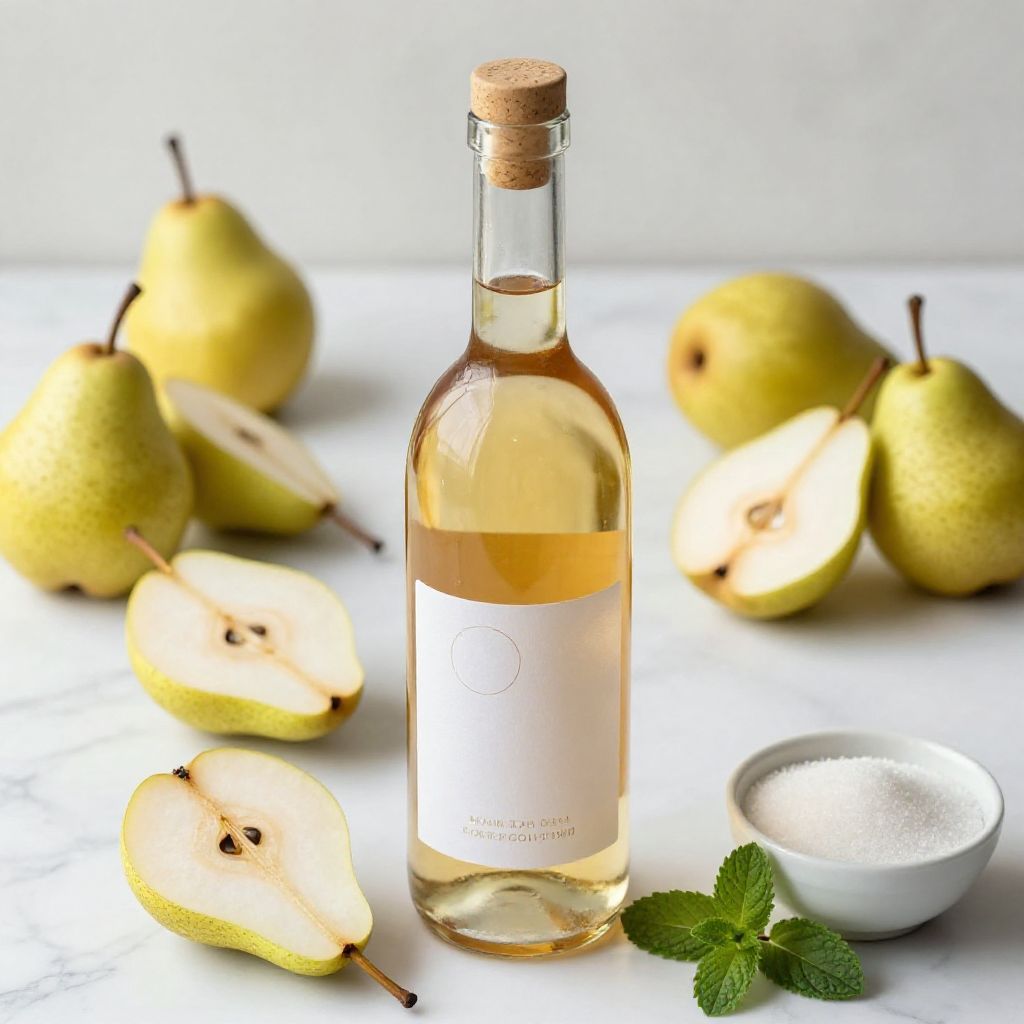
Pear Wine
Ingredients
Equipment
Method
- Wash and chop the pears, leaving the skins on for added flavor.
- Place the chopped pears in your fermentation vessel.
- Pour in one gallon of water and add the granulated sugar. Stir until the sugar completely dissolves.
- Add the yeast nutrient and sprinkle the wine yeast over the mixture.
- Seal the fermentation vessel with an airlock to prevent contamination.
- Place it in a dark, temperature-controlled area where it can ferment undisturbed.
- Monitor bubbling in the airlock; this indicates active fermentation.
- After fermentation, siphon or transfer the wine into a clean vessel, leaving the sediment behind.
- Bottle the wine and cork it tightly, allowing it to age for at least a month.