
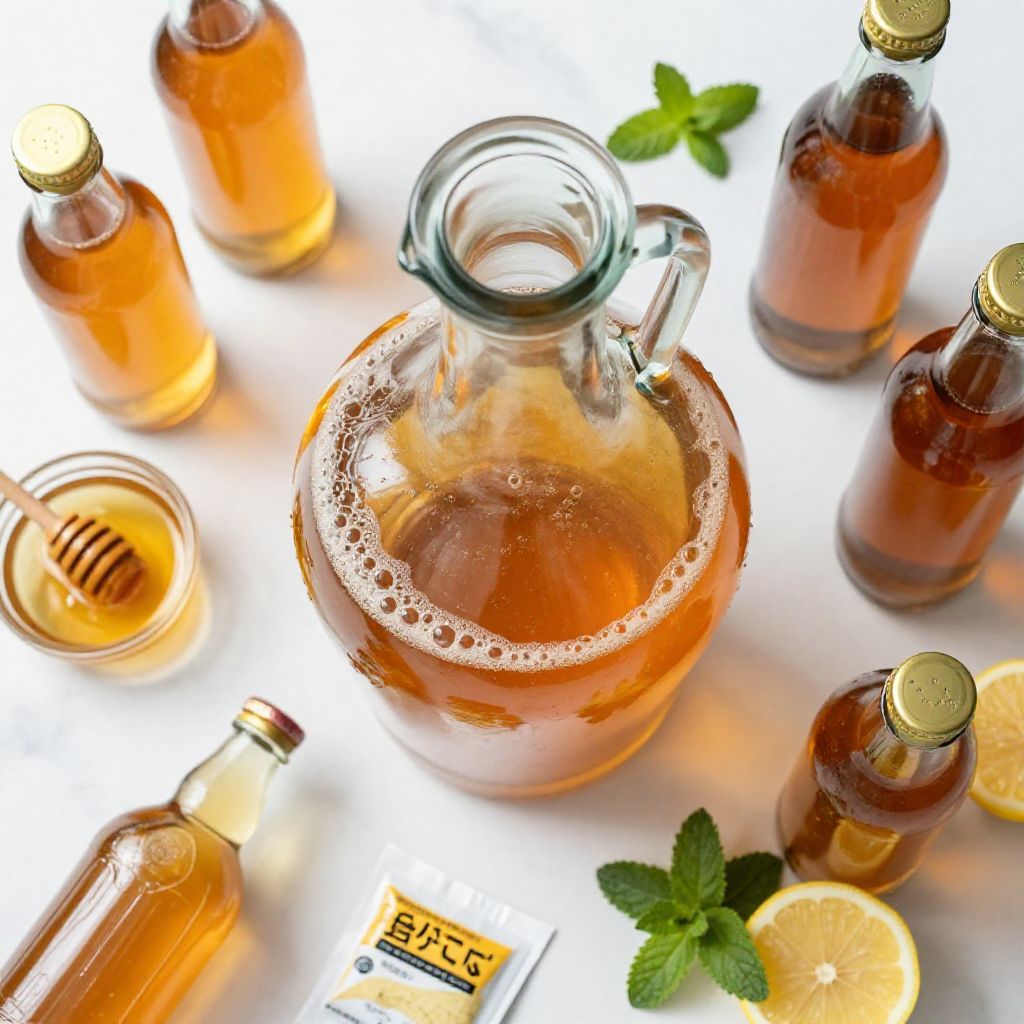
Picture the aroma of freshly brewed mead wafting through your home, filling the air with a warm, inviting scent. The Home Brew Recipe Builder is a delightful way to explore the art of brewing, creating a drink that is both rich in flavor and steeped in tradition.
This recipe allows you to tailor your brew according to your taste preferences, making it a fun and interactive experience. With its sweet undertones and fruity notes, this mead is perfect for celebrations or quiet evenings at home.
Why You’ll Love This Recipe
This recipe stands out for its flexibility and the joy of crafting something unique.
- Customizable flavors to suit your palate.
- A fun project for both beginners and seasoned brewers.
- Perfect for sharing with friends or special occasions.
- Simple ingredients that you may already have at home.
My Experience Making This Recipe
The first time I brewed mead, I was amazed at how simple it was to create something so tasty. The bubbling fermentation process felt like magic, and the anticipation of tasting my creation was thrilling.
When I finally took that first sip, the balance of sweetness and a hint of acidity left me wanting more. It was a delightful surprise to see how much flavor could come from such straightforward ingredients.
Recipe Overview
- Recipe Name: Home Brew Recipe Builder
- Servings: 5 gallons
- Prep Time: 20 minutes
- Cook Time: 30 minutes
- Total Time: 1 week (fermentation time may vary)
- Course: Beverage
- Cuisine: American
- Calories per Serving: Approximately 150
Equipment You Will Need
- Large brewing pot
- Fermentation vessel (carboy or bucket)
- Airlock
- Hydrometer
- Sanitizer
- Bottling equipment (bottles, caps, capper)
Ingredients for Home Brew Recipe Builder
- Water: 5 gallons (filtered is best)
- Honey: 3-4 pounds (adjust based on sweetness preference)
- Yeast: 1 packet (mead yeast or champagne yeast)
- Acid blend: 1 teaspoon (for balance)
- Nutrient: 1 teaspoon (for yeast health)
Ingredient Notes and Substitutions
- Honey: Provides fermentable sugars and flavor; you can substitute with agave syrup for a different profile.
- Yeast: Vital for fermentation; bread yeast can work in a pinch, though it’s not ideal.
- Acid blend: Helps balance sweetness; citric acid can serve as a substitute.
- Nutrient: Ensures yeast thrives; you can use a pinch of yeast energizer instead.
How to Make Home Brew Recipe Builder
Step 1: Sanitize Your Equipment
Start by thoroughly sanitizing all your equipment. This is crucial to prevent unwanted bacteria from ruining your brew.
Step 2: Heat the Water
In your large brewing pot, heat 2 gallons of the filtered water to about 150°F. This temperature helps to dissolve the honey effectively.
Step 3: Add the Honey
Once the water is heated, stir in the honey until fully dissolved. This creates your must, which is the foundation of your mead.
Step 4: Cool the Must
Remove the pot from heat and add the remaining 3 gallons of cold water. This brings the temperature down, making it safe for the yeast.
Step 5: Transfer to Fermentation Vessel
Pour the cooled must into your sanitized fermentation vessel. Leave some space at the top for bubbling during fermentation.
Step 6: Add Yeast and Nutrients
Sprinkle the yeast and nutrient on top of the must. Gently stir to incorporate the ingredients without splashing.
Step 7: Seal and Store
Seal the fermentation vessel with an airlock. Store it in a cool, dark place, ideally around 68-72°F, to encourage fermentation.
Step 8: Monitor Fermentation
Check the fermentation daily. After about a week, when bubbling slows, it’s time to bottle your mead.
Pro Tip: Patience is key! Let the mead age for at least a month after bottling for improved flavor.
Tips for the Best Home Brew Recipe Builder
- Use high-quality honey for the best flavor.
- Keep everything sanitized to avoid off-flavors.
- Experiment with different fruits or spices for unique twists.
- Take notes during the brewing process for future reference.
- Be patient; good things come to those who wait.
Common Mistakes to Avoid
- Skipping sanitization can lead to spoiled mead.
- Adding too much honey can result in overly sweet mead.
- Not monitoring fermentation temperature can stall yeast activity.
- Bottling too early can cause bottles to explode due to excess carbonation.
Serving Suggestions
Enjoy your mead chilled or at room temperature, depending on your preference. It pairs beautifully with a variety of foods.
- Cheese platters with assorted crackers.
- Spicy grilled meats.
- Fruit desserts like tarts or sorbets.
- Charcuterie boards featuring cured meats.
Variations to Try
- Add seasonal fruits like strawberries or peaches for a fruity twist.
- Include spices such as cinnamon or ginger for warmth.
- Try different honeys like wildflower or clover for varied flavors.
- Experiment with herbal infusions like mint or basil.
Dietary Adaptations
- Gluten-free: This recipe is naturally gluten-free, making it suitable for everyone.
- Dairy-free: No dairy ingredients are involved.
- Vegan: Use plant-based sweeteners like agave for a vegan-friendly option.
- Low-carb/keto: Opt for a lower sugar honey or artificial sweetener for fewer carbs.
Storage and Reheating
Refrigerator
Store your bottled mead in the refrigerator for up to a year.
- Keep bottles upright to maintain carbonation.
Freezer
Mead can be frozen, though it may alter the texture slightly.
- Use freezer-safe containers and leave space for expansion.
Reheating
Mead is best served chilled or at room temperature, but if you like it warm, gently heat it on the stove.
- Avoid boiling to maintain flavor integrity.
Nutrition Information
| Nutrient | Amount |
|---|---|
| Calories | 150 |
| Total Fat | 0g |
| Saturated Fat | 0g |
| Carbohydrates | 38g |
| Fiber | 0g |
| Sugar | 36g |
| Protein | 0g |
| Sodium | 5mg |
| Cholesterol | 0mg |
Please note that nutritional values may vary based on specific ingredients used.
Frequently Asked Questions
Can I substitute regular sugar for honey?
While you can, the flavor will be significantly different. Honey provides unique flavors that sugar cannot replicate.
How long can I store my mead?
Mead can last for up to a year in the refrigerator. The flavors may continue to develop over time.
Can I make this recipe in smaller batches?
Absolutely! Just divide the ingredients accordingly for a smaller yield.
What if my mead is too sweet?
If it’s too sweet, you can dilute it with water or add more acid, like lemon juice, to balance the flavor.
Why is my mead not bubbling?
This can happen if the yeast is inactive. Ensure your fermentation vessel is at the right temperature and give it time.
Final Thoughts
Brewing your own mead is a rewarding and enjoyable experience that connects you to centuries of tradition. I encourage you to experiment and find your unique flavor profile.
So gather your ingredients and let the brewing adventure begin. You might just discover your new favorite drink!
For more delightful recipes, check out this raspberry mead recipe or explore how to make a 1-gallon mead recipe.
Home Brew Recipe Builder
Ingredients
Equipment
Method
- Thoroughly sanitize all your equipment.
- Heat 2 gallons of filtered water to about 150°F in a large brewing pot.
- Stir in the honey until fully dissolved to create the must.
- Remove from heat and add the remaining 3 gallons of cold water to cool.
- Pour the cooled must into the sanitized fermentation vessel.
- Sprinkle the yeast and nutrient on top of the must, then gently stir.
- Seal the fermentation vessel with an airlock and store in a cool, dark place at 68-72°F.
- Check fermentation daily; when bubbling slows after about a week, it's time to bottle.