
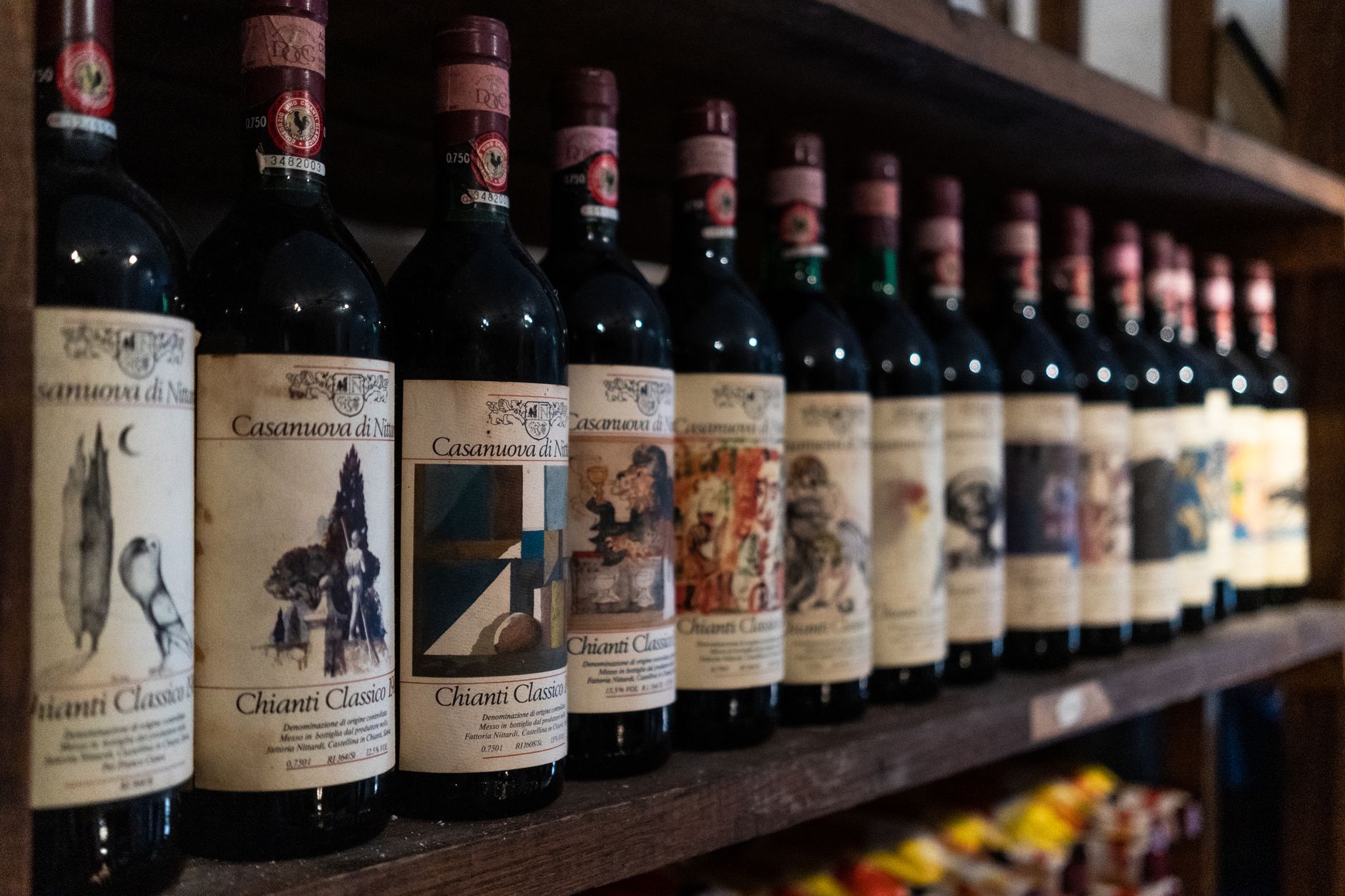
Chianti wine is one of the most recognized wines globally, celebrated for its rich flavor profile and traditional Italian roots. Originating from Tuscany, this red wine is known primarily for its Sangiovese grape base, which contributes to its unique character. Whether you’re a seasoned wine aficionado or just beginning your journey into the world of wines, understanding Chianti can enhance your dining experience.
In this guide, we will explore what Chianti wine is, including its history, characteristics, food pairings, and tips on selecting and enjoying it. By the end, you will have a comprehensive understanding of Chianti wine and how to incorporate it into your culinary adventures.
What Is Chianti Wine?
Chianti is a red wine produced in the Chianti region of Tuscany, Italy. The wine is predominantly made from the Sangiovese grape, which gives it a distinctive flavor profile. Chianti wines can vary in style, but they are typically known for their medium to high acidity, moderate tannins, and aromas of cherry, plum, and earthy undertones.
The History of Chianti Wine
Chianti has a long and storied history that dates back to the 13th century. Initially, the wine was produced in a simple fashion and was often made by blending different grape varieties. The establishment of the Chianti region’s boundaries in the 1716 was a significant turning point, as it marked the beginning of the Chianti classification system.
In the late 19th century, Baron Bettino Ricasoli created the first documented formula for Chianti, specifying the use of Sangiovese grapes along with Canaiolo and Colorino varieties. This laid the foundation for modern Chianti wine production. Over the years, the region has evolved, with improvements in vineyard practices and winemaking techniques, resulting in higher quality wines.
Characteristics of Chianti Wine
Grape Varieties
While Sangiovese is the primary grape used in Chianti wines, regulations allow a range of other grapes, including:
- Canaiolo
- Colorino
- Merlot
- Cabernet Sauvignon
The proportions of these grapes can vary depending on the specific Chianti designation.
Tasting Notes
Chianti wines typically exhibit:
- Aromas of cherry, raspberry, and plum
- Earthy notes, such as leather and tobacco
- Floral hints, including violet
- Balanced acidity and moderate tannins
The flavor profile can differ significantly based on the aging process and the specific styles of Chianti.
Styles of Chianti
Chianti is categorized into various styles, which often reflect the aging process and grape composition. The main classifications include:
- Chianti: The basic level that must contain at least 70% Sangiovese. These wines are fruity and accessible.
- Chianti Classico: Coming from the heart of the Chianti region, these wines have stricter regulations, requiring at least 80% Sangiovese and aging for a minimum of 12 months. They tend to have more complexity and depth.
- Chianti Riserva: A higher quality designation that requires aging for at least three years. These wines offer richer flavors and are typically more robust.
How to Choose Chianti Wine
Selecting a Chianti wine can be an enjoyable experience when you understand a few key factors. Here are some tips to guide your choice:
- Look for the Classification: Check the bottle label for designations like Chianti Classico or Chianti Riserva for higher quality options.
- Read Reviews: Look up ratings or reviews from wine critics or other consumers. This will give you insight into the specific wine’s taste and aroma.
- Consider the Vintage: The aging process affects wine quality. Research the best vintages for Chianti to ensure you’re choosing an exceptional year.
- Explore Different Producers: Experiment with wines from various vineyards, as different producers can yield unique flavor profiles.
Food Pairings with Chianti Wine
Chianti’s vibrant acidity and moderate tannins make it an incredibly versatile wine for food pairing. Here are some classic pairings:
- Pizza: The acidity in Chianti complements tomato-based sauces, making it a great choice for pizza with various toppings.
- Pasta: Chianti pairs excellently with pasta dishes, especially those with red sauce or hearty meat sauces.
- Grilled Meats: The bold flavors of grilled steak or lamb bring out the nuances in Chianti’s profile.
- Italian Dishes: Classic Italian fare like lasagna, risotto, or osso buco marry beautifully with Chianti’s fruitiness.
- Cheese: Hard cheeses such as Parmigiano-Reggiano and Pecorino enhance Chianti’s character.
How to Serve Chianti Wine
Serving Chianti correctly ensures that you fully enjoy its complex flavors. Here are some tips:
- Optimal Temperature: Serve Chianti slightly cooler than room temperature, ideally between 60°F to 65°F (15°C to 18°C).
- Glassware: Use a medium-sized red wine glass with a wide bowl to allow the aromas to develop.
- Aeration: Consider decanting Chianti wines, especially those that are older or higher quality, to allow them to breathe and enhance their flavors.
Common Mistakes to Avoid
When enjoying or selecting Chianti, avoid these common pitfalls:
- Serving Too Cold: Serving Chianti too chilled can mute its flavors. Aim for the appropriate serving temperature.
- Ignoring Labels: Always check for the classification and age on the label. Wines with higher designations might provide better flavor experiences.
- Pairing with Incompatible Foods: Avoid pairing Chianti with overly spicy or sweet dishes, which can overwhelm its delicate balance.
- Neglecting to Decant: Failing to decant wines that benefit from aeration may lead to missing out on their full potential.
Storage Tips for Chianti Wine
The way you store Chianti can significantly affect its longevity and flavor. Here are practical storage tips:
- Keep it in a Cool, Dark Place: Store bottles horizontally in a cool, dark area away from direct sunlight and temperature fluctuations.
- Optimal Humidity: Maintain a humidity level of around 50-70% to prevent corks from drying out.
- Aging Considerations: While some Chianti wines can be enjoyed young, others improve with age. Research whether your wine benefits from aging.
Conclusion
Understanding Chianti wine opens up new dimensions in wine appreciation and culinary exploration. Its wide range of flavors and versatility makes it an excellent choice for pairing with various dishes, especially Italian cuisine. By selecting quality bottles and serving them correctly, you can enhance your dining experience significantly.
Ready to explore the world of Chianti further? Consider trying different styles and pairings to improve your knowledge and enjoyment. Whether you’re enjoying a casual pizza night or hosting a formal dinner, a well-chosen Chianti can elevate your meal to new heights.
Explore more about enhancing your dining experience with our related guides on Italian cuisine, wine pairing tips, and more delicious recipes.