
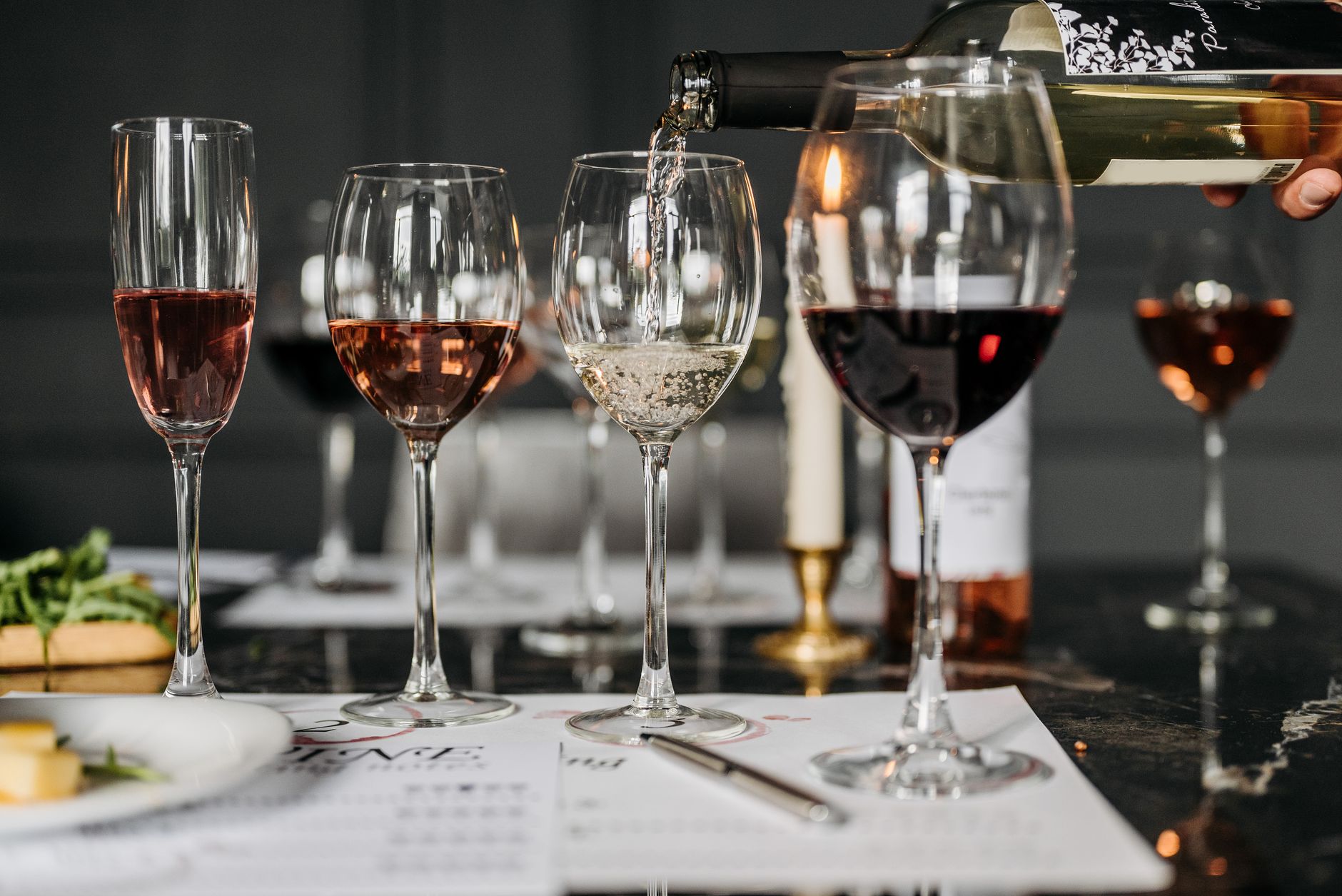
When it comes to enjoying a glass of wine, it’s essential to know what constitutes a serving. Whether you’re planning a dinner party, pairing a bottle with dinner, or simply enjoying a glass at home, understanding the serving size of wine can enhance your experience. This guide breaks down how much a serving of wine is, factors influencing serving sizes, and tips on wine consumption.
This article will also explore various types of wine, how they’re typically measured, and some practical advice for serving wine properly. From casual sips to formal dinners, knowledge about wine serving sizes is crucial for responsible and enjoyable drinking.
How Much Is A Serving Of Wine?
A standard serving of wine is typically defined as 5 ounces (about 148 milliliters). This guideline is used in many settings, from restaurants to home care. A serving of wine usually contains about 12-13% alcohol by volume (ABV), though the exact amount can vary depending on the type of wine and its alcohol content. Remember, wine glasses come in various sizes, and the serving size should be consistent regardless of the glass used.
Understanding Wine Measurement
When measuring wine, understanding the various measurements is key. Here are some important points to consider when pouring your wine:
- Fluid Ounces: The most common measurement for a glass of wine, with a standard serving being 5 ounces.
- Milliliters: A more precise measurement, especially useful in countries using the metric system. One standard serving of wine equals approximately 148 milliliters.
- Alcohol By Volume (ABV): This percentage indicates how much alcohol is present in the beverage. Typically, red wines have about 12-15% ABV, while whites can range from 9-14%.
Wine Glass Types and Serving Sizes
The type of glass in which wine is served can also affect how much wine you pour. Here are common types of wine glasses and their characteristics:
- Red Wine Glass: These usually have a larger bowl to allow for aeration, typically holding 12-22 ounces. When serving, pour about 5-6 ounces to maintain a proper sipping experience.
- White Wine Glass: Designed with a narrower bowl to preserve acidity and chill, these glasses often hold 10-15 ounces. A serving of 5 ounces is appropriate here as well.
- Sparkling Wine Glass: Flutes or coupes are common for sparkling wines, with a capacity of 6-9 ounces. Pouring 4-5 ounces is advisable to prevent overflow.
- Fortified Wine Glass: These smaller glasses usually hold 6-8 ounces. A serving of 3-4 ounces is standard due to their higher alcohol content.
Factors Influencing Serving Sizes of Wine
Several factors influence how much wine you might choose to serve, including the occasion, the type of wine, and personal preference. Here are some considerations:
Occasion
Wines served at various occasions may be poured differently. For instance, less wine might be served at a formal event compared to a casual gathering. Consider the following:
- Formal Dinners: At a formal gathering, smaller pours might be more appropriate as the evening will likely involve multiple courses.
- Tastings: Wine tastings usually involve smaller servings (1-2 ounces) to allow for sampling various wines without overindulgence.
- Celebrations: During celebrations, guests may prefer larger pours, especially with sparkling wines during toasts.
Type of Wine
The wine’s type also plays a crucial role in determining serving size. For example, dessert wines and fortified wines (like port or sherry) are generally served in smaller portions due to their higher sweetness and alcohol levels.
Personal Preference
Personal preference can dictate how much wine you pour. Some people prefer a larger serving, while others might be more comfortable with smaller amounts. Always consider your guests and their preferences, especially in social situations.
Health and Safety Considerations
Understanding serving sizes is also critical for health and safety. Consuming too much alcohol can lead to various health risks. Here are some guidelines:
- Moderation: It’s crucial to consume wine in moderation—typically defined as up to one glass per day for women and up to two for men.
- Understand Your Limits: Everyone’s tolerance levels are different; knowing your limits can help you enjoy wine safely.
- Be Mindful of Calories: Wine can contribute to calorie intake, so being aware of how much you’re consuming can support dietary goals.
How to Properly Serve Wine
Serving wine properly not only enhances flavor but also ensures an enjoyable experience. Consider these steps when serving wine:
- Chill White and Sparkling Wines: White and sparkling wines are generally better experienced when cold. Chill white wines to between 45-55°F (7-13°C) and sparkling wines to around 40-50°F (4-10°C).
- Decant Red Wines: If serving a bold red, consider decanting it. This allows the wine to aerate, improving flavor.
- Use Correct Glassware: Ensure you’re using the appropriate glass for the type of wine you’re serving.
- Pour Right Amount: Stick to the 5-ounce serving as a general guideline. Aim to pour a tad lower than the widest point of the glass.
- Give it Time: Allow wines some time to breathe. Red wines, especially full-bodied varieties, benefit from being opened and exposed to air before serving.
Wine and Food Pairing Basics
Pairing wine with food is a classic art that can elevate a meal. Here are some fundamental principles to guide you:
- Red Wine with Red Meat: Red wines typically pair well with red meats. Consider a full-bodied cabernet with a grilled steak.
- White Wine with Fish and Poultry: A light, crisp white complements seafood dishes well. Look for Pinot Grigio or Sauvignon Blanc.
- Sweet Wines with Dessert: Pair dessert with sweet wines like late-harvest Riesling for a harmonious end to a meal.
- Regional Pairing: Often, local wines will pair best with local dishes, so take advantage of regional selections when possible.
Common Mistakes When Serving Wine
Even seasoned wine drinkers can fall into certain common pitfalls when serving wine. Here are a few mistakes to avoid:
- Overpouring: Pouring more than 5 ounces can lead to overindulgence. Stick to the standard serving size.
- Ignoring Temperature: Serving white wines too warm or red wines too cold can affect their flavor. Always check the appropriate serving temperature.
- Using the Wrong Glass: Each wine type benefits from its own proper glass. Ensure you are using the correct glassware to enhance the drinking experience.
Making Wine Last Longer
If you anticipate that your opened bottle of wine won’t be consumed in one sitting, there are ways to keep it fresh:
- Re-cork It: Ensure that the bottle is resealed tightly with the original cork or a wine stopper.
- Store Upright: Store opened wine bottles upright to minimize oxidation.
- Use Vacuum Pumps: These tools can help remove air from the bottle, slowing down the oxidation process.
Conclusion
Understanding how much a serving of wine is enhances the enjoyment and safety of the experience. Remember to pour the standard 5-ounce serving, select the appropriate glass, and be mindful of enjoyment and moderation. By keeping these tips in mind, you will be better equipped to share in life’s moments with a glass of wine, creating memories one sip at a time.
Explore related recipes, cooking tips, or food guides such as how to make winter sangria or a refreshing limoncello spritz. These can enhance your culinary explorations, especially when paired with the right wines.