
There’s something magical about making your own mead at home, isn’t there? The sweet aroma of honey mingling with the tang of fruit takes you to a cozy corner of a sunlit kitchen, where every sip feels like a warm embrace.
This mead recipe is special because it’s simple yet rewarding, perfect for both beginners and seasoned enthusiasts. With its sweet, floral notes and a hint of fermentation, it’s a delightful drink that pairs well with any occasion.
Let’s gather our ingredients and dive into the brewing process!
Why You’ll Love This Recipe
This mead recipe is a true delight for any home brewer.
- Simple ingredients make it easy to whip up.
- Customize with different fruits or spices for unique flavors.
- Perfect for sharing with friends or enjoying solo.
- Ferments beautifully, giving a rich, complex taste.
My Experience Making This Recipe
When I first attempted this mead recipe, the joy of watching the bubbles rise during fermentation was captivating. The anticipation of tasting my creation made the waiting worthwhile.
After a few weeks, I poured my first glass, and the sweet, floral notes danced on my palate, making every drop a celebration of my efforts.
Recipe Overview
- Recipe Name: Mead
- Servings: 8
- Prep Time: 15 minutes
- Cook Time: 0 minutes
- Total Time: 4-6 weeks (fermentation)
- Course: Beverage
- Cuisine: Various
- Calories per Serving: Approximately 150
Equipment You Will Need
- 1-gallon glass carboy or fermentation container
- Airlock and stopper
- Large mixing spoon
- Measuring cup
- Sanitizer (like Star San)
- Bottling wand or funnel
- Wine bottles and corks or caps
Ingredients for Mead
- 2 cups of honey
- 1 gallon of water
- 1 teaspoon of yeast
- 1/4 teaspoon of yeast nutrient
- Optional: fruits or spices (like berries, cinnamon sticks, or ginger)
Ingredient Notes and Substitutions
- Honey: This provides the primary sweetness and flavor. You can substitute with agave syrup for a different taste.
- Water: Use filtered or bottled water for the best flavor. Tap water may contain chlorine, which can affect fermentation.
- Yeast: A wine or champagne yeast works best for fermentation. Bread yeast can be used but may not yield the same flavor profile.
- Yeast Nutrient: This helps the yeast thrive. If unavailable, you can use a pinch of raisins or a bit of orange juice.
How to Make Mead
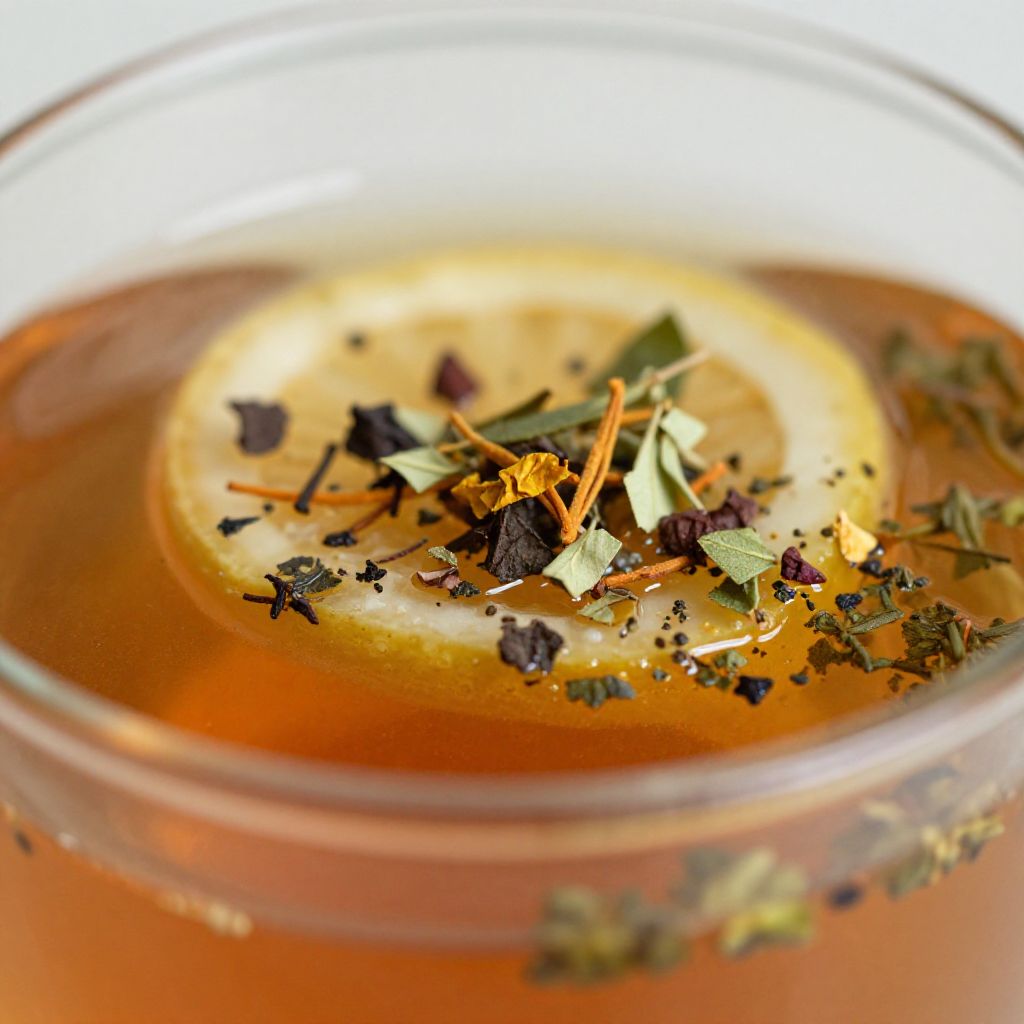
Step 1: Sanitize Everything
Start by sanitizing your equipment to prevent unwanted bacteria. This step is crucial for a clean fermentation process.
Step 2: Mix Honey and Water
In a large mixing bowl, combine the honey with warm water, stirring until fully dissolved. This creates a honey-water mixture known as must, which is the base for your mead.
Step 3: Add Yeast Nutrient
Add the yeast nutrient to the honey-water mixture and stir well. This nourishes the yeast during fermentation, helping it thrive.
Step 4: Cool the Must
Allow the must to cool to room temperature before adding the yeast. Adding yeast to hot must can kill it, ruining your batch.
Step 5: Add Yeast
Sprinkle the yeast over the cooled must and gently stir. This activates the fermentation process, so be ready for some bubbles!
Step 6: Transfer to Fermentation Container
Pour the must into the sanitized fermentation container, leaving some space at the top. This allows room for foam during fermentation.
Step 7: Seal with Airlock
Fit the airlock into the stopper and seal the fermentation container. This prevents contaminants from entering while allowing gases to escape.
Step 8: Ferment and Monitor
Place the container in a dark, cool area for 4 to 6 weeks. Check periodically for bubbling, which indicates fermentation is happening.
Pro Tip: Patience is key! Allowing your mead to ferment longer can enhance the flavor.
Tips for the Best Mead
- Use high-quality honey for the best flavor.
- Experiment with different fruits and spices to create unique blends.
- Keep the fermentation area consistent in temperature for best results.
- Monitor the fermentation process to spot any issues early.
- Be patient; good mead takes time to develop its full flavor.
Common Mistakes to Avoid
- Skipping sanitization can lead to spoiled mead.
- Using hot water can kill the yeast; always let it cool.
- Adding too much fruit can overpower the honey flavor.
- Not allowing enough time for fermentation can yield a flat taste.
Serving Suggestions
Mead is versatile and can be enjoyed in various ways. Here are some ideas for serving.
- Serve chilled in wine glasses for a refreshing drink.
- Pair with cheese platters for a delightful tasting experience.
- Mix into cocktails for a unique twist.
- Enjoy alongside grilled meats or spicy dishes.
Variations to Try
- Berry Mead: Add fresh berries during fermentation for a fruity twist.
- Spiced Mead: Incorporate spices like cinnamon or cloves for warmth.
- Herbal Mead: Use herbs like mint or basil for a refreshing flavor.
- Ginger Mead: Add ginger for a zesty kick.
Dietary Adaptations
- Gluten-Free: Mead is naturally gluten-free, making it safe for those with gluten sensitivities.
- Dairy-Free: This recipe is dairy-free, suitable for lactose intolerant individuals.
- Vegan/Vegetarian: Ensure honey is sourced from vegan-friendly producers for a vegan option.
- Low-Carb/Keto: Mead is higher in carbs due to honey; consider reducing honey for a lower-carb version.
Storage and Reheating
Refrigerator
Store opened bottles in the refrigerator for up to 6 months.
- Seal tightly after opening.
- Keep upright to avoid sediment disturbance.
Freezer
While mead can be frozen, it’s not typically recommended due to potential texture changes.
- Freeze in small quantities if needed.
- Allow to thaw slowly for best results.
Reheating
Reheat mead gently on the stove if you prefer it warm.
- Avoid boiling to preserve flavor.
- Serve warm with spices for a cozy treat.
Nutrition Information
| Nutrient | Amount |
|---|---|
| Calories | 150 |
| Total Fat | 0g |
| Saturated Fat | 0g |
| Carbohydrates | 38g |
| Fiber | 0g |
| Sugar | 36g |
| Protein | 0g |
| Sodium | 5mg |
| Cholesterol | 0mg |
This information is approximate and can vary based on specific ingredients used.
Frequently Asked Questions
Can I substitute honey with sugar?
While you can use sugar, it will alter the flavor significantly. Honey provides unique floral notes that are hard to replicate.
How long can I store mead?
Opened mead can be stored in the refrigerator for about 6 months. Unopened bottles can last for years if kept in a cool, dark place.
Can I make mead ahead of time?
Absolutely! Mead improves with age, so making it ahead allows the flavors to develop more fully.
What if my mead is too sweet?
If your mead is too sweet, consider adding a bit more yeast to ferment the sugars further. You can also dilute it with a splash of water before serving.
Can I carbonate my mead?
Yes! You can carbonate mead if you prefer a fizzy beverage. Just add a small amount of sugar before bottling to create carbonation during secondary fermentation.
Final Thoughts
Making mead at home is a rewarding experience that combines creativity and science. Once you’ve tried this recipe, you’ll be eager to experiment with different flavors and variations.
So, roll up your sleeves, get brewing, and enjoy the delightful world of homemade mead!
For more delicious recipes, check out my raspberry mead recipe and strawberry mead recipe.
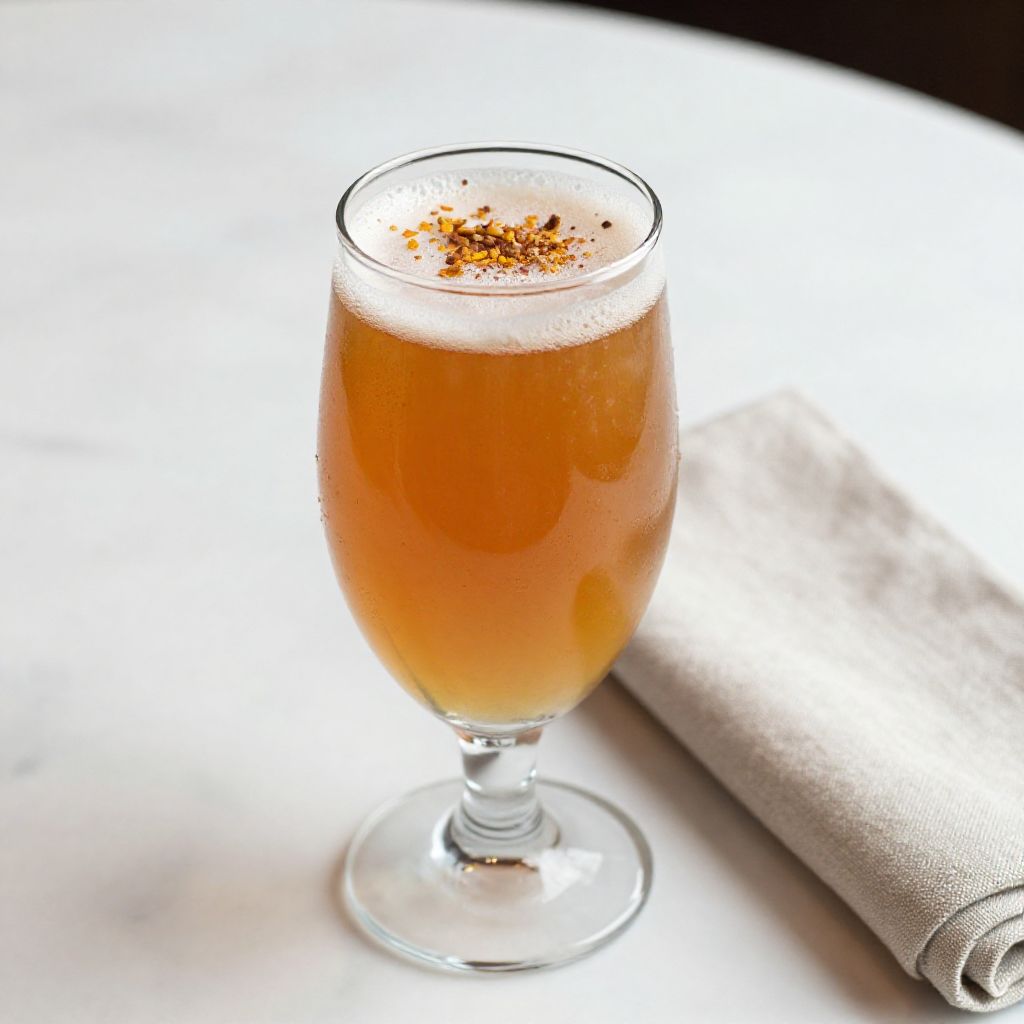
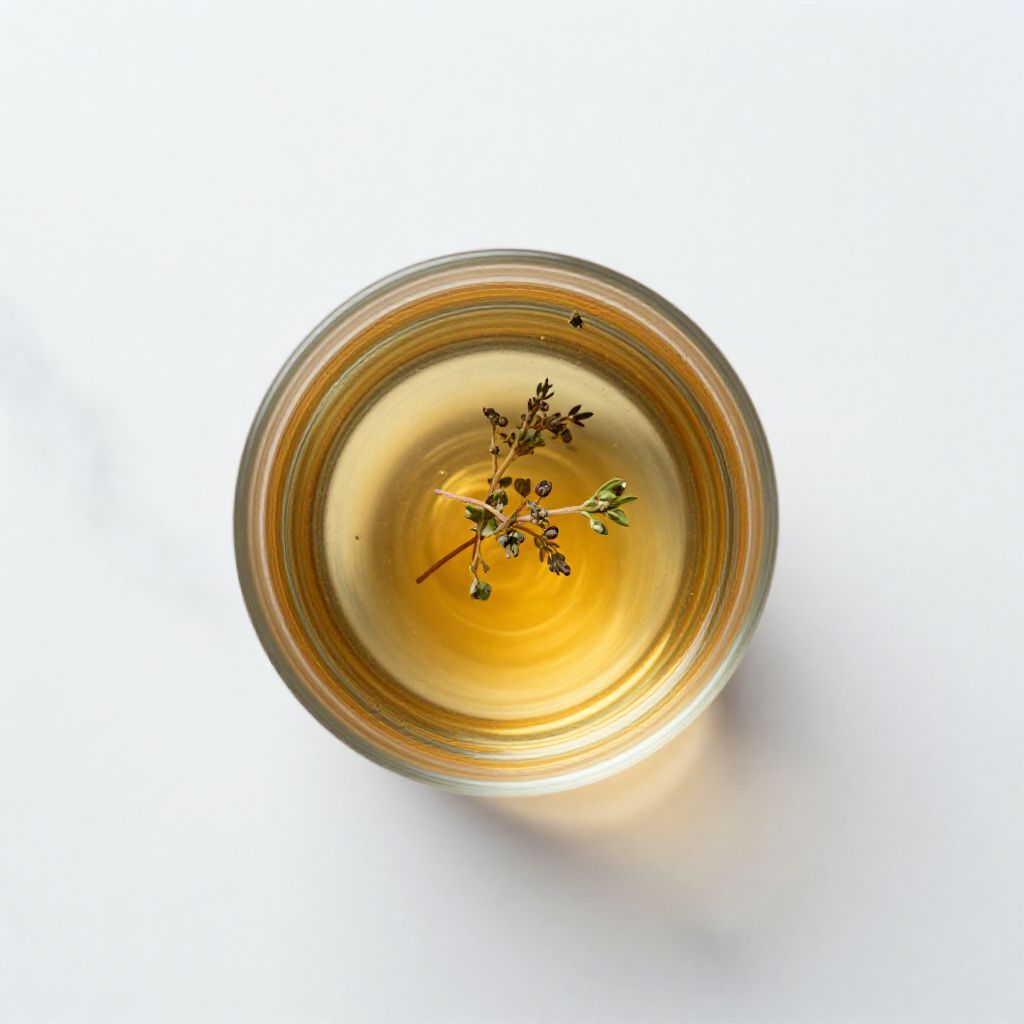
Mead
Ingredients
Equipment
Method
- Sanitize all equipment thoroughly using a food-grade sanitizer and rinse with clean water.
- In a large mixing bowl, combine 2 cups of honey with 1 gallon of warm water (around 110°F) and stir for 2 minutes until the honey is fully dissolved.
- Add 1/4 teaspoon of yeast nutrient to the honey-water mixture and stir for 1 minute.
- Allow the mixture to cool to room temperature (68-72°F), approximately 30 minutes.
- Sprinkle 1 teaspoon of yeast over the cooled must and stir gently for 30 seconds to incorporate.
- Transfer the must into the sanitized 1-gallon glass carboy, leaving at least 2 inches of headspace.
- Seal the carboy with the stopper and airlock, ensuring a tight fit.
- Place the carboy in a dark, cool area (65-75°F) and ferment for 4 to 6 weeks, checking occasionally for airlock activity.