
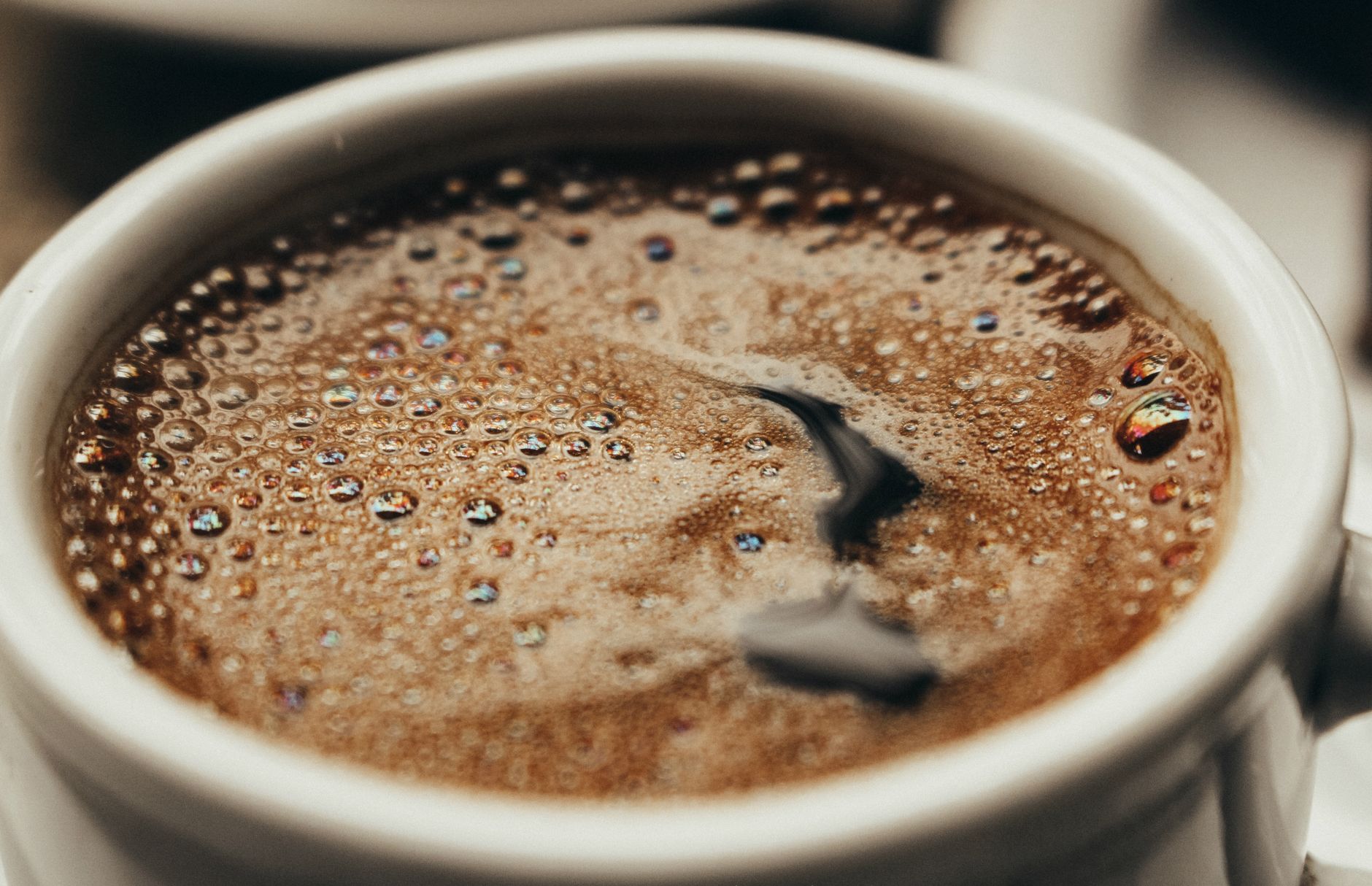
Coffee is a beloved beverage that many individuals rely on for a caffeine boost to start their day or power through an afternoon slump. But how much caffeine is really in that cup of coffee? This article explores the caffeine content found in various coffee types, the benefits of caffeine, and practical tips for enjoying your favorite brew while being mindful of caffeine intake.
Understanding caffeine content can guide you in making informed choices about your coffee consumption, whether for health reasons or personal preference. From espresso to light brews, the caffeine levels can vary significantly. Let’s delve deeper.
How Much Caffeine Is In Coffee?
The caffeine content in coffee can vary widely based on several factors, including the coffee bean type, brewing method, and serving size. On average, an 8-ounce (240 ml) cup of brewed coffee contains about 95 mg of caffeine. However, this number can range from 70 to 140 mg depending on the strength and style of coffee.
Here are some typical caffeine contents in various coffee types:
- Brewed Coffee (8 oz): 95 mg
- Espresso (1 oz): 63 mg
- Instant Coffee (8 oz): 30-90 mg
- Decaf Coffee (8 oz): 2-5 mg
- Caffe Latte (8 oz): 63 mg
- Cold Brew (8 oz): 100-200 mg
- French Press (8 oz): 80-100 mg
It’s worth mentioning that cold brew tends to have higher caffeine levels due to the longer steeping time, which extracts more caffeine from the coffee grounds.
Factors Affecting Caffeine Content
Several factors influence how much caffeine ends up in your cup of coffee. Some of these are:
1. Coffee Bean Type
There are multiple varieties of coffee beans, but the two most popular ones are Arabica and Robusta. Arabica beans typically have lower caffeine content, averaging about 1.2% caffeine, while Robusta beans can contain about 2.2% caffeine. If you prefer a stronger brew, opting for Robusta beans or blends with a higher percentage of Robusta can increase the caffeine kick.
2. Brewing Method
The method you choose to brew your coffee can significantly modify its caffeine profile. Here are a few common methods:
- Drip Brew: The traditional method results in a moderately caffeinated brew, averaging around 95 mg per 8 oz cup.
- Cold Brew: As mentioned earlier, this method tends to produce a stronger cup, often surpassing 200 mg for 8 oz due to long immersion in cold water.
- French Press: This method also allows for more caffeine extraction, usually yielding around 80-100 mg per 8 oz cup.
- Espresso: Although served in a smaller quantity, espresso has a high caffeine concentration, which can reach up to 63 mg per 1 oz shot.
3. Serving Size
Another obvious, yet often overlooked factor, is the serving size. Larger cups, like a 16 oz grande, can typically contain double the caffeine of an 8 oz cup. To keep track of your caffeine intake, always consider the actual volume of coffee you’re consuming.
Health Benefits of Caffeine
Caffeine has several health benefits, making it a popular choice not just for taste but for its physiological effects. Here are some benefits associated with moderate caffeine consumption:
1. Enhanced Brain Function
Caffeine has been shown to improve concentration, mood, and alertness. It works by blocking adenosine, a neurotransmitter that promotes sleepiness, allowing for increased wakefulness and mental clarity.
2. Physical Performance Boost
Many athletes consume caffeine before workouts, as it can increase adrenaline levels and improve physical performance. It also helps to utilize fat as a fuel source during exercise, making it an attractive option for endurance training.
3. Antioxidant Properties
Coffee is rich in antioxidants, which can help reduce inflammation and protect against certain chronic diseases, including heart disease and type 2 diabetes. These antioxidants combat free radicals that cause oxidative damage in the body.
4. Reduced Risk of Certain Diseases
Some studies suggest that regular coffee drinkers have a lower risk of illnesses like Alzheimer’s, Parkinson’s, and certain forms of cancer. The exact relationship remains under investigation, but caffeine may play a role in these protective effects.
Potential Risks and Considerations
Despite its many benefits, excessive caffeine intake can also have drawbacks. It’s important to know your limits. Consider the following:
1. Insomnia and Sleep Disruption
Too much caffeine, especially when consumed in the afternoon or evening, can interfere with sleep quality. It’s advisable to limit caffeine intake in the hours leading up to bedtime to ensure restful sleep.
2. Increased Heart Rate
Caffeine can lead to increased heart rate and blood pressure, particularly in individuals who are sensitive to it. Monitoring your heart rate after consuming caffeine can help you understand how it affects you personally.
3. Digestive Issues
Some individuals may experience digestive discomfort, such as acid reflux or upset stomach after consuming coffee. If you experience these symptoms, you might want to consider switching to low-acid coffee or reducing your overall intake.
How to Enjoy Coffee Mindfully
With the knowledge of caffeine content and health implications, you can enjoy your coffee consciously. To balance enjoyment and health benefits, consider these practical tips:
- Track Your Intake: Keep a journal or use a mobile app to track your daily caffeine consumption, ensuring you stay within the recommended limit of 400 mg for most adults.
- Choose Quality Beans: Invest in high-quality coffee beans or blends that suit your taste. This enhances the overall coffee experience while often providing better health benefits.
- Experiment with Brewing Methods: Changing your brewing methods can diversify your coffee experience. Try cold brew for summer or a traditional espresso for a pick-me-up.
- Mind Your Timing: Be mindful of when you consume coffee to maximize energy without disrupting sleep. Limit intake to the morning and early afternoon.
- Balance with Hydration: Caffeine has diuretic properties; ensure you hydrate sufficiently throughout the day.
Practical Coffee-Related Substitutions
If you’re looking to adjust your caffeine intake without sacrificing flavor, there are several coffee alternatives and substitutions you can try:
- Decaffeinated Coffee: If you love the taste of coffee but want to cut back on caffeine, opt for decaf coffee, which retains much of the flavor but contains minimal caffeine.
- Herbal Coffee: Products made from roasted grains or herbal ingredients can mimic the flavor of coffee without caffeine. Look for those labeled as caffeine-free.
- Tea: Black tea or green tea can provide a gentler caffeine boost, with lower levels than coffee, while also offering health benefits.
- Chicory Coffee: This caffeine-free option is made from the chicory root and can be brewed similarly to coffee, offering a robust flavor.
Coffee Storage Tips
Proper coffee storage ensures that your coffee stays fresh, retaining its essential flavors and aromas. Here are some tips for optimal coffee storage:
- Keep it Airtight: Store coffee beans or grounds in an airtight container to prevent exposure to air, which can lead to stale coffee.
- Cool, Dark Places: Keep your coffee in a cool, dark place away from moisture, heat, and light to protect its natural oils and flavor compounds.
- Avoid Refrigeration: While some may think refrigerating coffee extends its life, it can lead to condensation and stale flavors. Stick to room temperature storage.
Conclusion
Understanding how much caffeine is in coffee and the factors affecting its content can help guide your coffee consumption, allowing you to enjoy it fully while being aware of your caffeine intake. With numerous options available—from brewed blends to espresso shots—you can find the right balance for both flavor and health.
Consider exploring delicious coffee variations, such as a refreshing blueberry latte or a protein-infused proffee. These satisfying drinks can add both creativity and flavor to your coffee experience.