
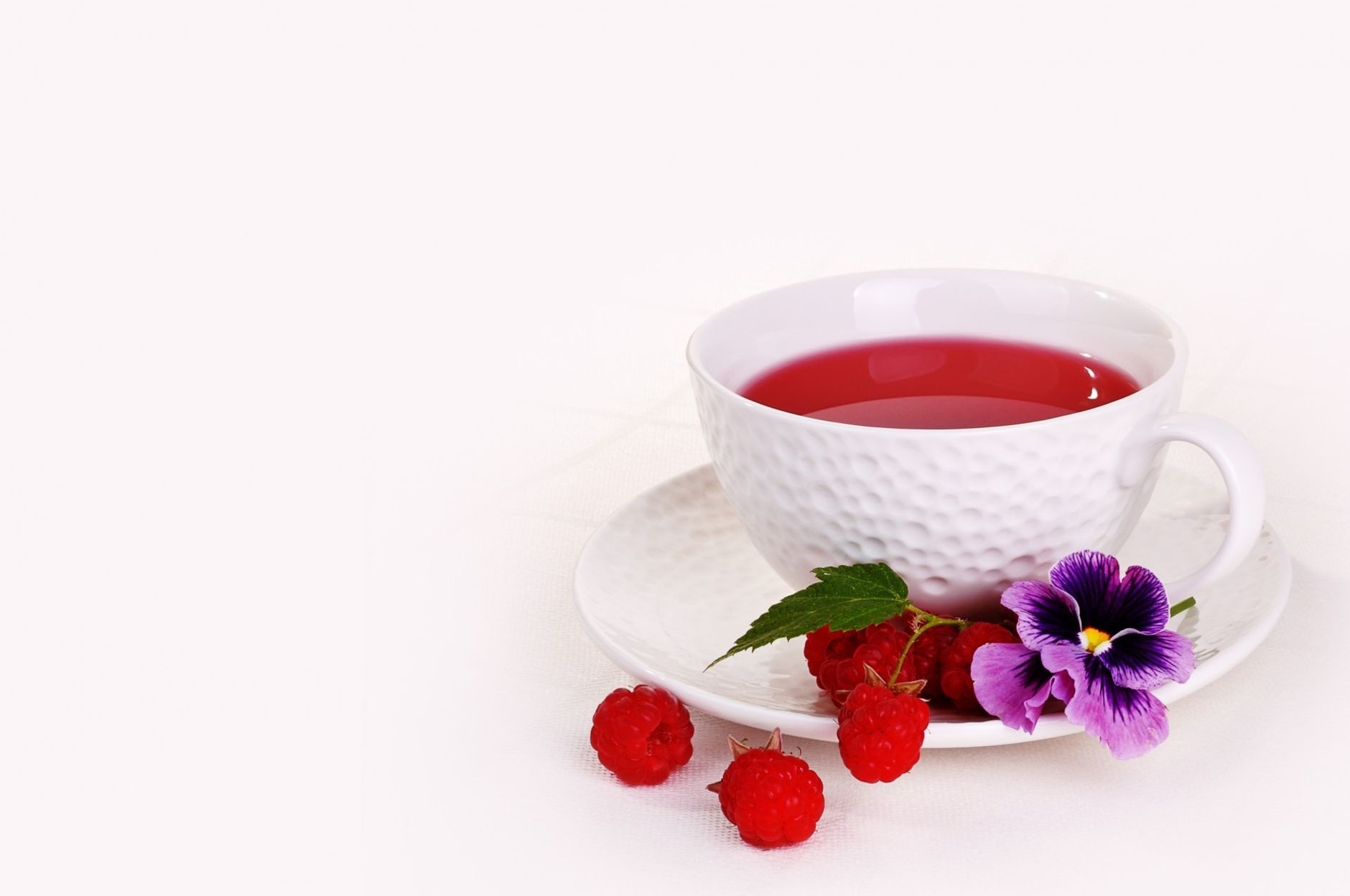
Raspberry leaf tea has gained popularity among expectant mothers for its numerous potential benefits during pregnancy. This herbal tea, made from the leaves of the red raspberry plant, is rich in nutrients and compounds that may support the body’s changing needs. It offers a natural way to aid in preparation for labor and promote overall health throughout pregnancy.
In this article, we’ll explore why raspberry leaf tea is often recommended during pregnancy, its nutritional profile, potential benefits, preparation methods, and how to incorporate it into your pregnancy wellness routine. Whether you’re curious about its effects or looking for practical information, this comprehensive guide will cover everything you need to know.
Why Is Raspberry Leaf Tea Good For Pregnancy?
Raspberry leaf tea is beneficial during pregnancy primarily because it is believed to help tone the uterine muscles, potentially making contractions more effective during labor. Additionally, it is rich in vitamins and minerals that can support overall maternal health, making it a popular choice among expectant mothers.
Nutritional Profile of Raspberry Leaf Tea
Raspberry leaves contain a variety of nutrients that are beneficial during pregnancy, including:
- Vitamins: A, C, E, and several B vitamins
- Minerals: Calcium, iron, magnesium, and potassium
- Antioxidants: Flavonoids and tannins
This impressive nutritional profile supports bodily functions, bone health, and may even help in managing pregnancy-related symptoms.
Potential Benefits of Raspberry Leaf Tea
Consuming raspberry leaf tea during pregnancy is associated with several potential benefits, though individual experiences may vary. These include:
1. Uterine Toning
One of the main reasons raspberry leaf tea is recommended is its purported ability to tone the uterine muscles. This toning may help prepare the body for labor, potentially making contractions more efficient.
2. Easing Labor
Some studies and anecdotal evidence suggest that consuming raspberry leaf tea in the later stages of pregnancy may lead to a shorter labor duration and reduced complications during delivery.
3. Alleviating Nausea
Raspberry leaf tea may help alleviate morning sickness and general nausea that often accompany pregnancy, thanks to its soothing properties.
4. Boosting Nutritional Intake
With its rich nutrient content, raspberry leaf tea contributes to the dietary needs of pregnant women, promoting overall health and vitality.
5. Reducing Pregnancy-Related Discomfort
This herbal tea is also believed to help alleviate common issues such as leg cramps and pelvic discomfort, making it a supportive beverage throughout pregnancy.
When to Start Drinking Raspberry Leaf Tea
Many herbalists and practitioners recommend waiting until the second trimester before introducing raspberry leaf tea into your diet, and gradually increasing consumption as you approach your due date. It is best to consult with a healthcare professional to determine the appropriate timing and dosage for your individual needs.
How to Prepare Raspberry Leaf Tea
Making raspberry leaf tea is straightforward and can be done using dried leaves or tea bags. Follow these steps to prepare the tea:
Ingredients
- 1-2 teaspoons of dried raspberry leaves (or 1 tea bag)
- 1 cup of boiling water
Essential Equipment
- Teapot or pot for boiling water
- Fine mesh strainer or tea infuser
- Cup or mug
Step-by-Step Method
- Boil water in a teapot or pot until it reaches a rolling boil.
- Place the dried raspberry leaves in a teapot or use a tea infuser for easy removal.
- Pour the boiling water over the leaves or tea bag.
- Cover the teapot or mug with a lid or plate and let it steep for about 10-15 minutes, depending on your taste preference.
- Strain the tea into a cup, remove the leaves or tea bag, and enjoy. Sweeten with honey or lemon if desired.
Flavor and Variations
Raspberry leaf tea has a mild, slightly earthy flavor with a hint of sweetness. If you’d like to enhance the taste or add additional health benefits, consider the following variations:
- Add a slice of fresh lemon for a citrusy zing.
- Mix with a teaspoon of honey for sweetness.
- Combine with other herbal teas, such as ginger or chamomile, for additional soothing properties.
Common Mistakes and Troubleshooting
When making raspberry leaf tea, there are a few common mistakes to avoid:
- Steeping for too long, which can make the tea bitter. Stick to the recommended steeping time.
- Using water that is not boiling enough, which may result in a weak flavor. Ensure the water is boiling before brewing.
- Overusing raspberry leaves. Stick to the recommended quantity to avoid overly concentrated tea.
Storage and Shelf Life
To maintain the freshness and flavor of dried raspberry leaves, store them in an airtight container in a cool, dark place. Properly stored, dried raspberry leaves can last for up to a year. Once brewed, raspberry leaf tea is best consumed fresh. If you have leftovers, it can be stored in the refrigerator for up to 24 hours; however, it’s best enjoyed immediately.
Precautions and Considerations
While raspberry leaf tea is generally considered safe for most pregnant women, it’s essential to consult your healthcare provider before incorporating it into your routine. Some women may experience uterine contractions after consuming the tea, particularly if consumed in large amounts. Your healthcare provider can offer personalized advice tailored to your unique situation.
Incorporating Raspberry Leaf Tea into Your Pregnancy Routine
Here are some practical tips for including raspberry leaf tea into your daily routine:
- Make it part of your morning ritual as a calming beverage before breakfast.
- Enjoy a cup as an afternoon pick-me-up instead of caffeine-laden drinks.
- Replace your evening herbal tea with raspberry leaf tea for a soothing end to the day.
Conclusion
Raspberry leaf tea is a flavorful and nutrient-rich beverage that many pregnant women find beneficial. From its potential to support uterine toning to its ability to alleviate common pregnancy symptoms, this herbal tea can be a valuable addition to your pregnancy wellness routine. Remember to consult with your healthcare provider to ensure it is the right fit for you as you navigate this exciting journey.
For more insights into preparing delicious teas, feel free to check out our raspberry leaf tea recipes or explore other herbal creations for your wellness routine at Raspberry Leaf Tea Recipe and Red Raspberry Leaf Tea Recipe.