
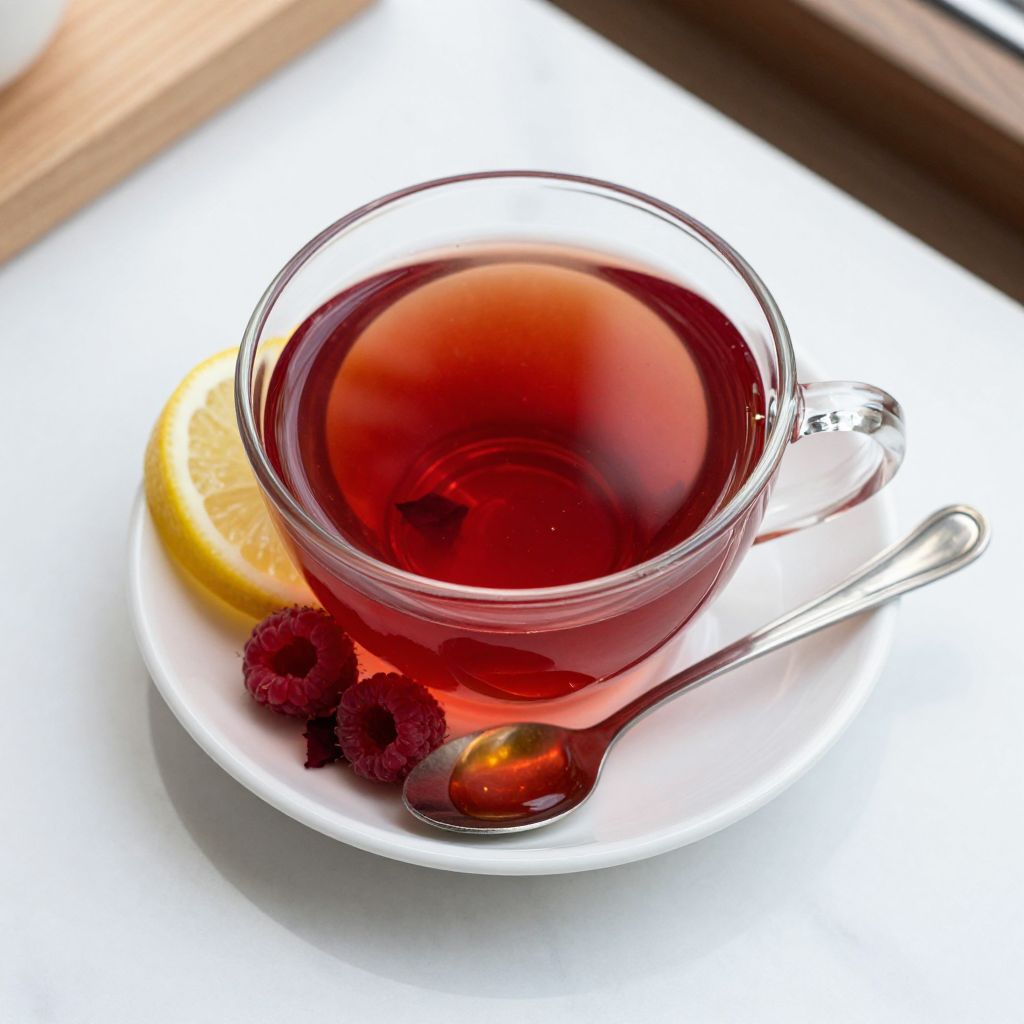
There’s something deeply comforting about steeping a handful of dried red raspberry leaves and watching the water transform into a deep crimson brew.
Red raspberry leaf tea has been a trusted herbal remedy for centuries, particularly valued by women seeking natural wellness support.
What makes this tea special is its subtle, pleasant flavor paired with a wealth of beneficial compounds like tannins and antioxidants.
Whether you’re looking to brew a simple cup for relaxation or prepare it as part of a wellness routine, this recipe gives you everything you need to make red raspberry leaf tea at home with confidence.
Why You’ll Love This Recipe
This tea is straightforward to make, requires minimal equipment, and delivers real wellness benefits in every sip.
- Simple preparation with just two main ingredients
- Naturally caffeine-free and gentle on your system
- Packed with antioxidants and traditional nutritional support
- Affordable and shelf-stable for long-term storage
- Incredibly versatile, working hot or iced
My Experience Making This Recipe
I started brewing red raspberry leaf tea when a friend mentioned how her grandmother swore by it.
The first time I prepared it, I was struck by how the hot water shifted from clear to a gorgeous ruby color within minutes.
The taste surprised me too: it’s not fruity or sweet, but rather earthy and slightly floral with a gentle astringency that feels nourishing on your palate.
Now I keep dried leaves on hand year-round, and I’ve found myself reaching for this tea during afternoon slumps and before bed.
Recipe Overview
- Recipe Name: Red Raspberry Leaf Tea
- Servings: 1
- Prep Time: 2 minutes
- Brew Time: 5 to 10 minutes
- Total Time: 7 to 12 minutes
- Course: Beverage
- Cuisine: Herbal
- Calories per Serving: 2
Equipment You Will Need
- Kettle or pot for heating water
- Teacup or mug (8 to 12 ounces)
- Tea strainer, infuser, or cheesecloth
- Spoon for stirring
- Thermometer (optional but helpful)
Ingredients for Red Raspberry Leaf Tea
- Dried red raspberry leaves: 1 to 2 teaspoons (or 1 tea bag)
- Filtered water: 8 to 10 ounces
- Honey or sweetener (optional): 1 teaspoon
- Lemon juice (optional): 1/2 teaspoon
Ingredient Notes and Substitutions
- Dried red raspberry leaves are the backbone of this tea; they’re harvested and dried to preserve their beneficial compounds. If you can’t find them, dried blackberry leaf tea offers a similar earthiness and astringency, though the flavor profile shifts slightly.
- Filtered water removes chlorine and impurities that can interfere with the delicate flavor. Tap water works in a pinch, but filtered versions produce a noticeably cleaner taste.
- Honey adds natural sweetness without overpowering the tea’s subtle notes. Maple syrup or agave work equally well and bring their own warmth to the cup.
- Lemon juice brightens the flavor and helps your body absorb certain minerals in the tea. A squeeze of orange or lime offers a different citrus dimension if you prefer.
How to Make Red Raspberry Leaf Tea
Step 1: Heat Your Water
Pour 8 to 10 ounces of filtered water into your kettle and bring it to a rolling boil.
Boiling removes impurities and ensures the water is hot enough to properly extract the beneficial compounds from the leaves.
Step 2: Prepare Your Cup and Leaves
While the water heats, place your teacup on a clean surface and add the dried red raspberry leaves directly to the cup or into a tea infuser.
Using a tea infuser keeps loose leaves contained and makes cleanup effortless, but placing leaves directly in the cup works just fine if you have a strainer ready.
Step 3: Check Water Temperature
Once the water reaches a full boil, let it cool for 30 seconds to 1 minute so it’s around 200 to 210 degrees Fahrenheit.
Slightly cooler water than a rolling boil prevents the delicate compounds in the leaves from being destroyed by excessive heat, which can make the tea taste bitter.
Step 4: Pour the Water
Slowly pour the hot water over the raspberry leaves in your cup, making sure they’re fully submerged.
Pouring water over the leaves rather than placing the cup over the water source helps them steep evenly and extracts flavor consistently.
Step 5: Cover and Steep
If you have a small saucer, lid, or even a coffee filter, place it over the cup to trap steam and heat during steeping.
Covering the tea helps retain volatile compounds that contribute to flavor and keeps the water at a consistent temperature throughout the brewing process.
Step 6: Time Your Steep
Allow the tea to steep for 5 to 10 minutes, depending on how strong you like your brew.
Five minutes creates a lighter, more delicate cup, while 10 minutes produces a deeper, more full-bodied flavor with stronger astringency.
Step 7: Strain the Leaves
If you used loose leaves, carefully pour the tea through a fine-mesh strainer into a fresh cup or strain directly into the cup you’re using.
Straining removes the leaves and any sediment, giving you a clear, smooth cup of tea ready to drink.
Step 8: Taste and Adjust
Take a sip and decide if you want to add honey, lemon, or any other sweetener or flavor enhancer.
Adding sweetener or citrus after tasting lets you customize the cup to your preference without guessing beforehand.
Step 9: Enjoy Immediately
Drink your red raspberry leaf tea while it’s warm, allowing the flavors and aromas to fully register on your palate.
Enjoying the tea mindfully helps you appreciate its subtle qualities and makes the experience feel more intentional and nourishing.
Pro Tip: Make a large batch of tea by steeping 1/4 cup of dried raspberry leaves in 4 cups of water for 10 to 15 minutes, then straining and chilling; it keeps refrigerated for up to 5 days and tastes wonderful iced with fresh lemon.
Tips for the Best Red Raspberry Leaf Tea
- Source high-quality dried leaves from reputable herbal suppliers to ensure freshness and potency. Leaves that are bright in color and fragrant deliver better flavor than dusty or pale varieties.
- Store dried raspberry leaves in an airtight container away from direct sunlight and heat to preserve their beneficial compounds. A dark glass jar in a cool cupboard works perfectly.
- Experiment with steeping time to find your ideal strength; some people prefer a delicate 5-minute brew, while others enjoy the deeper earthiness of a 12-minute steep.
- Combine red raspberry leaf tea with other herbal blends like chamomile or peppermint for flavor variety without losing the nutritional benefits.
- Use filtered or spring water rather than tap water if possible, as mineral content and chlorine can subtly affect the final taste.
- Drink your tea consistently over time to experience the cumulative wellness benefits rather than treating it as an occasional beverage.
Common Mistakes to Avoid
- Using water that’s too hot or boiling the leaves directly in water creates a bitter, astringent cup that overpowers the subtle flavor. Always let boiling water cool slightly before pouring it over the leaves.
- Steeping for too long, especially beyond 12 minutes, extracts excessive tannins and results in an unpleasantly chalky or dry mouthfeel. Set a timer to stay on track.
- Buying low-quality or old dried leaves that have lost their color and fragrance yields a weak, flavorless cup. Invest in fresh leaves from trusted sources.
- Forgetting to cover the cup while steeping allows essential oils and heat to escape, reducing flavor extraction and cooling the water too quickly.
- Adding sweetener before tasting prevents you from appreciating the tea’s natural subtle flavors and makes it harder to find your preferred balance.
Serving Suggestions
Red raspberry leaf tea shines on its own but pairs beautifully with light snacks and complements various times of day.
- Serve alongside buttery shortbread cookies or digestive biscuits for an afternoon tea experience
- Pair with fresh scones and jam for a leisurely weekend breakfast
- Enjoy chilled over ice on warm afternoons with fresh berries floating on top
- Combine with honey and lemon before bed as part of a calming evening routine
- Serve at brunch with fresh fruit and light pastries for a wellness-focused gathering
Variations to Try
- Blend red raspberry leaf with dried rose petals and a touch of hibiscus for a floral, slightly tart version that feels luxurious and looks beautiful in a glass.
- Mix in dried ginger root or a small piece of fresh ginger during steeping to add warmth and spice that complements the leaves’ natural astringency.
- Combine with dried mint leaves for a refreshing variation that’s particularly pleasant when served cold over ice on hot days.
- Create a chai-inspired version by adding cinnamon, cloves, and a touch of black pepper to the raspberry leaves for a spiced, warming cup.
- Steep the leaves with dried apple pieces or orange peel to introduce subtle fruity sweetness without adding sugar.
Dietary Adaptations
- Gluten-Free: Red raspberry leaf tea is naturally gluten-free, so no adaptation needed. Just verify that your dried leaves come from a facility that doesn’t process gluten-containing products.
- Dairy-Free: This recipe contains no dairy whatsoever, making it perfect for anyone avoiding milk or milk products.
- Vegan: The base tea is entirely vegan. If adding sweetener, choose agave, maple syrup, or coconut nectar instead of honey.
- Low-Carb and Keto: Red raspberry leaf tea is virtually carb-free at just 2 calories per cup, making it ideal for low-carb and keto diets. Skip added sweeteners or use a zero-calorie sweetener like stevia.
Storage and Reheating
Refrigerator
Brewed red raspberry leaf tea keeps refrigerated for 3 to 5 days when stored in an airtight glass container.
- Store in a dark glass jar to protect the tea from light exposure
- Keep away from strong-smelling foods that might impart their odor
- Label the container with the brewing date for easy reference
Freezer
You can freeze brewed tea in ice cube trays for up to 3 months, perfect for making iced tea on demand.
- Pour cooled tea into silicone ice cube trays for easy removal
- Once frozen, transfer cubes to a freezer bag labeled with the date
- Drop a few cubes into water for instant iced tea anytime
Reheating
Gently reheat refrigerated tea in a small pot over low heat or in the microwave for 1 to 2 minutes until warm.
- Avoid boiling, which can damage delicate flavors and compounds
- Stir well before reheating to ensure even temperature distribution
- Add fresh lemon or honey after reheating to refresh the flavor
Nutrition Information
| Nutrient | Amount |
|---|---|
| Calories | 2 |
| Total Fat | 0g |
| Saturated Fat | 0g |
| Carbohydrates | 0.5g |
| Fiber | 0g |
| Sugar | 0g |
| Protein | 0.1g |
| Sodium | 2mg |
| Cholesterol | 0mg |
Nutrition values are based on unsweetened brewed tea with no added honey or lemon. Adding sweeteners or other ingredients will increase the calorie and carbohydrate content accordingly.
Frequently Asked Questions
Can I use fresh red raspberry leaves instead of dried?
Fresh leaves can work but contain more water and require longer steeping times. Dried leaves are concentrated in flavor and beneficial compounds, making them the preferred choice for consistent results.
Is red raspberry leaf tea safe to drink during pregnancy?
Many sources suggest it may offer support during pregnancy, but you should consult your healthcare provider before consuming it regularly. Every pregnancy is unique, and professional guidance ensures safety for you and your baby.
How long does the tea stay fresh after brewing?
Freshly brewed tea tastes best within 1 to 2 hours while still warm. Refrigerated brewed tea keeps for 3 to 5 days in an airtight container.
Why does my tea taste bitter?
Bitterness usually results from water that’s too hot or steeping for too long. Try cooling your water slightly and reducing steep time to 5 to 7 minutes.
Can I drink red raspberry leaf tea every day?
Many people enjoy it daily without issues, but moderation is wise. If you have specific health conditions or take medications, check with your healthcare provider about daily consumption.
Where can I buy quality dried red raspberry leaves?
Look for reputable herbal suppliers online, local health food stores, or specialty tea shops. Choose leaves that are bright in color and come in sealed packages with harvest dates.
Does red raspberry leaf tea contain caffeine?
No, red raspberry leaf tea is naturally caffeine-free, making it suitable for any time of day or evening enjoyment.
Final Thoughts
Red raspberry leaf tea is a simple, nourishing beverage that deserves a regular place in your daily routine.
The beauty of this recipe lies in its simplicity: just two ingredients and a few minutes create something genuinely restorative for both body and spirit.
Whether you’re seeking a quiet moment for yourself or looking to explore traditional herbal wellness practices, this tea delivers on both fronts.
Brew a cup today and discover why this humble herbal drink has been cherished for generations.
Explore More Wellness Teas
If you enjoyed learning about red raspberry leaf tea, you might also be interested in exploring other beneficial herbal brews that support your wellness journey.
Try our lymphatic drainage tea recipe for additional wellness support or refresh yourself with a raspberry iced tea recipe when you’re craving something chilled and fruity.
Red Raspberry Leaf Tea
Ingredients
Equipment
Method
- Pour 8 to 10 ounces filtered water into a kettle and bring to a rolling boil.
- Place dried red raspberry leaves in a tea infuser or directly in your teacup.
- Allow boiled water to cool for 30 seconds to 1 minute until about 200 to 210°F.
- Slowly pour the hot water over the leaves, ensuring they are fully submerged.
- Cover the cup with a lid or saucer to trap heat and steam.
- Steep for 5 to 10 minutes, adjusting the time for desired strength.
- Remove the infuser or strain the tea through a fine-mesh strainer into a clean cup.
- Taste the tea and add honey or lemon juice if desired.
- Serve immediately while warm and enjoy mindfully.