
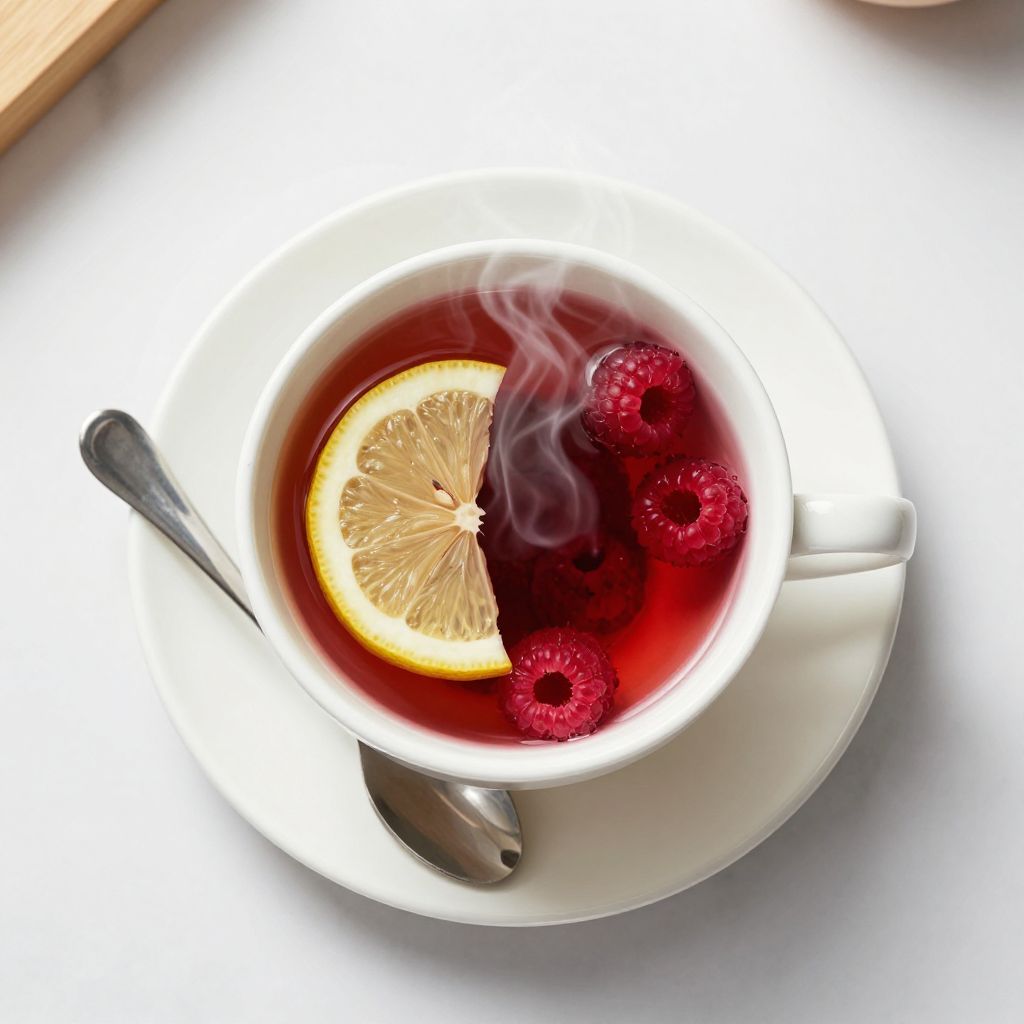
There’s something quietly restorative about steeping a cup of raspberry leaf tea, watching the hot water transform into a deep crimson brew that smells faintly floral and earthy. This herbal infusion has been cherished for generations, prized not just for its delicate flavor but for its gentle wellness benefits that make it a staple in natural health routines.
Raspberry leaf tea stands out because it’s simple to make at home, affordable compared to specialty wellness drinks, and tastes genuinely pleasant without needing sweeteners or milk. Whether you’re seeking a calming afternoon ritual, a caffeine-free alternative to black tea, or a beverage that supports your wellness goals, this recipe delivers on all fronts.
Why You’ll Love This Recipe
This tea checks every box for a practical, delicious daily drink that actually feels like self-care in a mug.
- Naturally caffeine-free, so you can enjoy it anytime without jitters or sleep disruption
- Rich, slightly tart flavor with subtle floral notes that stand on their own without added sugar
- Takes just 5 minutes to brew and requires zero special equipment beyond a basic infuser
- Budget-friendly when you buy dried leaves in bulk and store them properly
- Pairs beautifully with meditation, reading, or quiet mornings before the day gets loud
My Experience Making This Recipe
I discovered raspberry leaf tea by accident years ago when a friend handed me a loose-leaf sample from her garden, and I’ve been hooked ever since. The first cup surprised me with how smooth and naturally sweet it tasted, nothing like the bitter herb teas I’d forced myself to drink before.
Now I brew it every morning without fail, and I’ve noticed my body genuinely responds to it in subtle ways that make me feel more grounded. The ritual alone has become part of my day, that few minutes of quiet while the leaves unfurl and release their essence into the water.
Friends who visit always ask what I’m drinking because the color is so inviting, and every single person has gone home with a small jar of leaves after tasting it. That’s the mark of a recipe worth keeping: it converts skeptics into regular drinkers without any pretense.
Recipe Overview
- Recipe Name: Raspberry Leaf Tea
- Servings: 1 cup
- Prep Time: 2 minutes
- Brew Time: 5 minutes
- Total Time: 7 minutes
- Course: Beverages
- Cuisine: Herbal
- Calories per Serving: 2
Equipment You Will Need
- Kettle or pot for heating water
- Tea infuser, strainer, or fine mesh sieve
- Mug or teacup
- Spoon for stirring
- Measuring spoon for dried leaves
- Thermometer (optional, but helpful for precise temperature)
Ingredients for Raspberry Leaf Tea
- Dried raspberry leaves: 1 to 1.5 teaspoons per 8-ounce cup
- Filtered water: 8 ounces
- Honey (optional): 1 teaspoon
- Lemon juice (optional): squeeze of fresh lemon
Ingredient Notes and Substitutions
- Dried raspberry leaves: These form the backbone of the tea, offering a mild astringency and subtle berry flavor that develops through steeping. If you can’t find dried raspberry leaves, dried blackberry leaves work as a close substitute with a slightly earthier profile.
- Filtered water: Clean water makes a noticeable difference in the final taste because tap water minerals can mute delicate herbal flavors. Tap water works fine if filtered water isn’t available, though the tea may taste slightly flatter.
- Honey: This natural sweetener balances the slight tartness without overpowering the leaves’ subtle character. Maple syrup or agave nectar provide similar sweetness with different flavor undertones.
- Lemon juice: A splash of fresh lemon brightens the tea and helps your body absorb the beneficial compounds in the leaves. Lime juice offers a sharper citrus edge if that appeals to your palate.
How to Make Raspberry Leaf Tea
Step 1: Fill Your Kettle With Fresh Water
Start with cold, filtered water and fill your kettle to whatever amount you need. Using fresh water each time ensures your tea has the cleanest possible base and avoids stale water that’s been sitting in the kettle.
Step 2: Heat Water to 160 to 180 Degrees Fahrenheit
Bring the water to a gentle heat, aiming for a temperature between 160 and 180 degrees Fahrenheit. This lower temperature than boiling water preserves the delicate flavors of the raspberry leaves instead of scorching them into bitterness.
Step 3: Measure Your Dried Raspberry Leaves
Scoop 1 to 1.5 teaspoons of dried leaves into your infuser or directly into your mug if you’re using a strainer. The exact amount depends on how strong you prefer your tea and how finely the leaves are cut.
Step 4: Place Leaves Into Your Infuser or Mug
If using a tea infuser, fill it loosely with the dried leaves and close it securely. If brewing directly in the mug, you’ll strain it later, so arrangement doesn’t matter much here.
Step 5: Pour the Hot Water Over the Leaves
Slowly pour the heated water over your leaves, watching them begin to soften and release their color. Pouring slowly allows the leaves to wake up gradually and distribute their flavor evenly throughout the water.
Step 6: Cover and Steep for 5 Minutes
Place a small lid or saucer over your mug to keep the heat in and let the leaves steep undisturbed for exactly 5 minutes. This timing extracts the full flavor and beneficial compounds without letting the tea become overly bitter or astringent.
Step 7: Check the Color and Aroma
After 5 minutes, lift the lid and admire the deep ruby color that should have developed. The aroma should be inviting and faintly floral, a sign that steeping is complete and the leaves have given their all.
Step 8: Remove the Infuser or Strain the Tea
If you used an infuser, lift it out carefully and set it aside to cool. If you brewed directly in the mug, pour the tea through a fine mesh strainer into another cup, leaving the soggy leaves behind.
Step 9: Add Optional Enhancements
Stir in honey if you prefer sweetness, or add a squeeze of fresh lemon juice to brighten the flavor. Either addition complements the tea without hiding its natural character.
Step 10: Sip Slowly and Enjoy
Let the tea cool for a minute or two until it’s comfortable to drink, then settle in and savor each sip. The tea will continue to develop flavor as it cools, sometimes revealing subtle notes you missed at first.
Pro Tip: Don’t throw away your steeped leaves after one use. Raspberry leaves can be resteeped a second or even third time with slightly longer steeping intervals, so pour fresh hot water over the same leaves for another round of tea and stretch your supply further.
Tips for the Best Raspberry Leaf Tea
- Buy your dried raspberry leaves from reputable sources that grow them organically, and store them in an airtight container away from heat and direct sunlight. Proper storage keeps the leaves fresh and flavorful for up to a year.
- If you have access to fresh raspberry leaves from an unsprayed plant, you can dry them yourself by laying them flat on a screen in a warm, dry place for about a week. Homegrown tea often tastes more vibrant than store-bought versions.
- Experiment with steeping time based on how strong you like your tea, keeping in mind that every extra minute intensifies the flavor and slight astringency. Start at 5 minutes and adjust up or down depending on your preference.
- Brew multiple cups at once by using a small teapot with an infuser basket, which is more efficient than brewing individual mugs and keeps the tea hotter longer. This approach works beautifully when you’re sharing tea with others.
- Combine raspberry leaf tea with other dried herbs like mint, chamomile, or rose petals to create custom blends that suit your mood. Mixing opens up endless flavor combinations while still letting the raspberry leaf shine through.
- Drink your tea while it’s warm to get the full sensory experience, but know that chilled raspberry leaf tea is equally delicious on warm days if you let it cool and pour it over ice. Cold tea develops a different character that some people find more refreshing.
Common Mistakes to Avoid
- Using water that’s too hot will scorch the delicate leaves and create a harsh, unpleasant taste that overshadows the natural sweetness. Stick to the lower temperature range and your tea will taste noticeably better.
- Steeping for longer than 8 or 9 minutes turns the tea uncomfortably bitter and dry, pulling out excessive tannins that overpower the subtle flavors. Set a timer if you tend to forget about your tea.
- Buying pre-bagged tea from unknown sources sometimes means you’re getting tea dust mixed with stems and broken leaves, which brews faster but tastes thinner and less satisfying. Loose-leaf tea always delivers better flavor and brewing control.
- Storing dried leaves in clear containers or near spices with strong odors will let light degrade the leaves and flavors transfer between containers. Keep everything in opaque, sealed jars in a cool cupboard away from your spice collection.
- Skipping the optional additions like honey or lemon when you first try the tea might make you think it’s bland, when really it just needs a tiny tweak to shine. Give the plain version a fair chance, but don’t hesitate to customize it to your taste.
Serving Suggestions
Raspberry leaf tea pairs beautifully with quiet moments and pairs equally well with food when you want a beverage that won’t compete with your meal. Serve it warm in a nice mug to make the experience feel special, or chill it for a refreshing afternoon drink.
- Pair with a light breakfast or brunch spread including pastries, toast with jam, or fresh fruit to echo the tea’s berry notes
- Serve alongside a midday snack like cookies, shortbread, or almond biscuits for an elegant pairing that feels indulgent but guilt-free
- Enjoy it as a calming evening beverage an hour or two after dinner, when you want something warm and soothing without caffeine
- Offer it to guests as an alternative to coffee, served in your nicest mugs with honey and lemon on the side for customization
- Blend it into smoothies or pour it over ice cream for unexpected flavor twists that play up the tea’s subtle berry character
Variations to Try
- Honey and Ginger Version: Add 1/4 teaspoon of fresh grated ginger to your infuser along with the raspberry leaves for a warming spice that cuts through any astringency. This variation works wonderfully when you’re fighting a cold or want extra comfort.
- Minty Raspberry Blend: Combine equal parts dried raspberry leaves and dried mint in your infuser for a refreshing tea that’s perfect iced and served on warm days. The mint adds brightness while the raspberry provides depth.
- Floral Twist: Mix in a small pinch of dried rose petals or hibiscus flowers with your raspberry leaves for extra color and a more complex flavor profile. Use just enough to complement without overwhelming the raspberry character.
- Apple and Cinnamon Variation: Add one thin slice of dried apple and a small cinnamon stick to your infuser for a warmer, slightly spiced version that feels seasonal. This works best during fall and winter months.
- Citrus Blend: Include a small piece of dried lemon peel or orange peel in your infuser alongside the raspberry leaves for a brighter, more energetic tea. This variation tastes fantastic both hot and cold.
Dietary Adaptations
- Gluten-Free: Raspberry leaf tea is naturally gluten-free as long as you purchase dried leaves from sources that don’t process gluten-containing products in the same facility. Always check labels if you have celiac disease.
- Dairy-Free: The plain tea is completely dairy-free, and you can sweeten it with honey, agave, or maple syrup instead of any cream-based additives. Coconut milk or almond milk work beautifully if you want creaminess.
- Vegan: Use maple syrup or agave nectar as sweeteners instead of honey to keep the tea fully plant-based. Everything else about the recipe is already vegan-friendly.
- Low-Carb and Keto: Raspberry leaf tea contains virtually no carbohydrates, making it perfect for low-carb diets, and you can sweeten it with stevia or erythritol instead of honey. This is an ideal beverage for anyone watching sugar intake.
Storage and Reheating
Refrigerator
Brewed raspberry leaf tea keeps in the refrigerator for up to 3 days when stored in a sealed glass container. The flavor stays bright and fresh throughout this window, though the tea may darken slightly over time.
- Store in glass jars rather than plastic to prevent the tea from absorbing odors or leaching flavors into your other foods
- Keep the container sealed to prevent the tea from absorbing refrigerator smells
- Label with the date so you know when you made it and don’t accidentally drink spoiled tea
Freezer
You can freeze brewed tea in ice cube trays for up to 2 months, which is brilliant for making iced tea quickly or adding tea cubes to smoothies. Leave a tiny bit of space at the top of each cube since liquids expand when frozen.
- Pop frozen cubes into a blender with fresh fruit for instant iced tea with natural sweetness
- Pop them into a mug and pour hot water over for a quick cup when you’re short on time
- Use tea cubes in smoothies instead of regular ice for an herbal flavor boost
Reheating
Gently warm chilled tea on the stovetop over medium-low heat or microwave it for 30 to 60 seconds until steaming. Avoid high heat, which can develop off-flavors if the tea sits too long.
- Stovetop reheating in a small pot is gentler and more even than microwaving if you have time
- Don’t let the tea come to a boil, or you’ll lose some of the delicate herbal quality
- Taste as you reheat and stop as soon as it reaches your preferred temperature
Nutrition Information
| Nutrient | Amount |
|---|---|
| Calories | 2 |
| Total Fat | 0g |
| Saturated Fat | 0g |
| Carbohydrates | 0.5g |
| Fiber | 0g |
| Sugar | 0g |
| Protein | 0.1g |
| Sodium | 2mg |
| Cholesterol | 0mg |
These values are based on plain brewed tea without added honey or lemon. Adding sweeteners or milk will increase calorie and nutrient counts accordingly.
Frequently Asked Questions
Can I use fresh raspberry leaves instead of dried ones?
Fresh leaves can work, but you’ll need about 3 times the amount since they lose most of their water weight when dried. Dried leaves deliver more concentrated flavor and are easier to store long-term, so they’re the better choice for regular tea drinking.
Is raspberry leaf tea safe to drink during pregnancy?
While many people drink raspberry leaf tea during pregnancy after the first trimester, you should check with your healthcare provider before making it a regular habit. Every pregnancy is different, and your doctor knows your specific situation best.
How long do dried raspberry leaves stay fresh?
Properly stored dried leaves remain fresh and flavorful for up to one year in an airtight, opaque container kept away from heat and light. After a year, the tea won’t hurt you but the flavor will fade noticeably.
Can I mix raspberry leaf tea with black tea or other teas?
Absolutely, you can blend it with black tea, green tea, chamomile, or any other tea you enjoy for custom flavor combinations. Start with equal parts and adjust the ratio based on which flavor you want to dominate.
What’s the difference between raspberry leaf and raspberry fruit tea?
Raspberry leaf tea comes from the plant’s leaves and offers a subtle, delicate herbal flavor with wellness benefits. Raspberry fruit tea is made from the actual berries and tastes sweeter and more intensely berry-forward, making it feel more like a traditional fruit tea.
Can I reuse the same leaves multiple times in one day?
Yes, you can steep the same leaves 2 to 3 times with increasingly longer steeping intervals before they’re fully exhausted. The first steep is strongest, the second is slightly milder, and the third is delicate but still flavorful.
Does raspberry leaf tea have any side effects?
For most people, raspberry leaf tea is gentle and safe with no significant side effects. Some sensitive individuals might experience mild digestive changes, so start with small amounts if you’re new to herbal teas.
Final Thoughts
Making raspberry leaf tea has become one of my favorite daily rituals, a small act of self-care that costs almost nothing and takes just minutes. The simplicity is part of its charm, actually, because it proves that the best wellness practices don’t require complicated recipes or expensive ingredients.
Grab some dried raspberry leaves, find a quiet moment, and brew yourself a cup today. Once you taste how good it is, you’ll understand why people keep coming back to this tea again and again.
If you loved this recipe, explore more nourishing herbal teas on our site, like our lymphatic drainage tea recipe for another wellness-focused beverage option. You might also enjoy our mullein tea recipe if you’re interested in building your herbal tea collection.
Raspberry Leaf Tea
Ingredients
Equipment
Method
- Fill a kettle or pot with cold, filtered water.
- Heat the water to between 160°F and 180°F, avoiding boiling to preserve delicate flavors.
- Measure 1 to 1.5 teaspoons of dried raspberry leaves using a measuring spoon.
- Place the dried leaves into a tea infuser or directly into a mug if you plan to strain later.
- Pour the hot water slowly over the leaves to allow even flavor extraction.
- Cover the mug or infuser and steep undisturbed for 5 minutes.
- After 5 minutes, uncover and check for a deep crimson color and faintly floral aroma.
- Remove the infuser or strain the tea through a fine mesh sieve into a cup.
- Stir in honey or add a squeeze of fresh lemon juice, if desired.
- Allow the tea to cool slightly, then sip slowly and enjoy your infusion.