
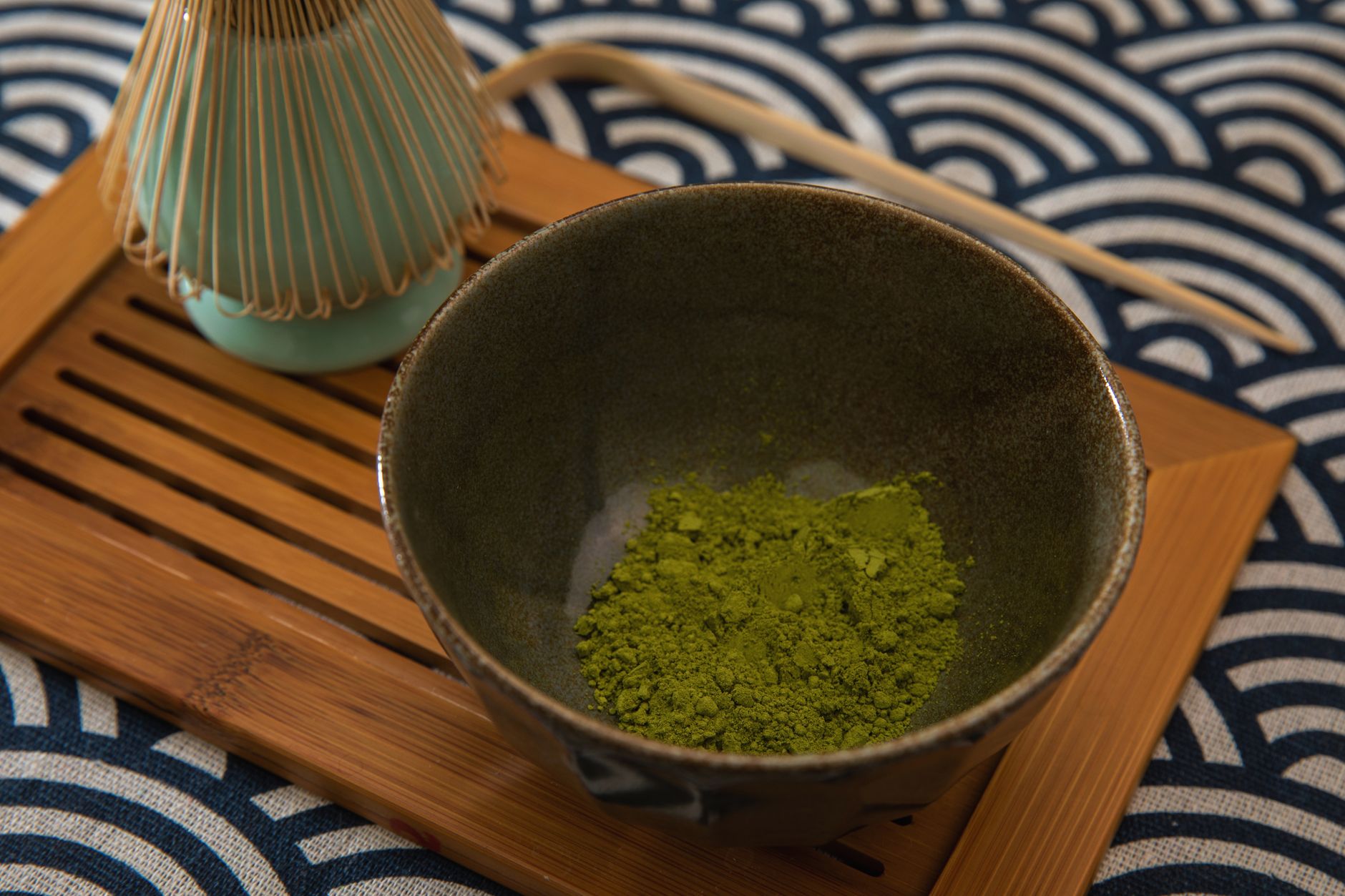
Matcha has gained immense popularity due to its vibrant color and unique flavor. This finely ground green tea powder, originating from Japan, is known not only for its delicious taste but also for its numerous health benefits. In this article, we will explore why matcha is good for you and how it can be incorporated into your daily routine.
From antioxidants to potential mental clarity, matcha offers a variety of health benefits that have made it a staple in many wellness-focused diets. Let’s dive into what makes matcha a superfood and how you can enjoy it.
Why Is Matcha Good For You?
Matcha is good for you primarily due to its high concentration of antioxidants, particularly catechins, which can help reduce inflammation and promote overall health. It also supports alertness and focus while providing a calming effect, making it a unique beverage choice for both relaxation and productivity.
The Health Benefits of Matcha
1. Rich in Antioxidants
Matcha is incredibly rich in antioxidants, more so than many other foods. One variety, epigallocatechin gallate (EGCG), is known for its cancer-fighting properties. The high ORAC (Oxygen Radical Absorbance Capacity) value of matcha indicates its ability to neutralize free radicals, thereby reducing oxidative stress in the body.
2. Promotes Metabolism
The catechins found in matcha have been shown to boost metabolism, helping the body burn fat more effectively. This can be particularly beneficial for those looking to manage their weight. Some studies suggest that consuming matcha can enhance exercise performance and stamina as well, making it an excellent pre-workout option.
3. Enhances Focus and Alertness
Matcha contains L-theanine, an amino acid that promotes relaxation without drowsiness. When combined with caffeine, L-theanine can help improve focus and alertness, providing a balanced energy boost without the jitters that coffee may induce. This makes matcha a great choice for those needing to concentrate or study.
4. Supports Heart Health
Several studies suggest that regular matcha consumption may support heart health by lowering LDL cholesterol levels and improving overall cholesterol ratios. The antioxidant properties of matcha can also promote healthy blood circulation, reducing the risk of cardiovascular diseases.
5. Boosts Immune System
The various compounds found in matcha, including EGCG and other catechins, help support the immune system. Regular consumption can improve the body’s ability to fight infections and may reduce the severity of colds and flu. Its antibacterial properties also help in maintaining good oral hygiene.
6. Aids in Detoxification
Matcha is known to support the body’s natural detoxification processes. High in chlorophyll, it helps detoxify heavy metals and chemical toxins from the body. This is particularly significant for those exposed to environmental pollutants or who consume processed foods.
7. Promotes Skin Health
Matcha contains a variety of vitamins and minerals that are beneficial for skin health. Its antioxidant properties help prevent premature aging, and the anti-inflammatory compounds can reduce skin irritations and redness. Some people even use matcha topically in face masks for a refreshing glow.
Incorporating Matcha into Your Diet
Utilizing matcha in your daily routine is simple and versatile. Here are several practical ways to include matcha in your diet:
- Matcha Tea: The most common way to enjoy matcha is by whisking it into hot water or milk to create a soothing tea.
- Matcha Lattes: Combine matcha with steamed milk (dairy or non-dairy) for a delicious latte.
- Smoothies: Add a teaspoon of matcha powder to your favorite smoothie for an antioxidant boost.
- Baking: Use matcha in baked goods like cookies, cakes, or muffins for a unique flavor and color.
- Matcha Energy Balls: Combine oats, nut butter, and matcha for nutritious energy bites.
- Salad Dressings: Incorporate matcha into homemade salad dressings for an earthy flavor.
How to Prepare Matcha
Preparing matcha requires some specific techniques to ensure you get the best flavor and consistency. Here’s a detailed guide on how to make matcha:
Essential Equipment
- Matcha bowl or small bowl
- Chasen (bamboo whisk)
- Chashaku (bamboo scoop)
- Fine mesh strainer (optional)
- Hot water (not boiling, around 175°F or 80°C)
Matcha Preparation Method
- Sift the Matcha: Use a fine mesh strainer to sift 1-2 teaspoons of matcha into the matcha bowl. This helps prevent clumps.
- Add Water: Pour about 2 ounces (60 ml) of hot water over the matcha.
- Whisk: Using the chasen, whisk the matcha briskly in a zigzag motion for about 30 seconds until frothy. Make sure to whisk vigorously to create a smooth texture.
- Serve: Enjoy as is or add more hot water or milk for a larger serving. Sweeteners like honey or agave can be added if desired.
Common Mistakes When Preparing Matcha
To achieve the best matcha experience, avoid these common mistakes:
- Using Boiling Water: Hot water should be around 175°F (80°C). Boiling water can burn the matcha, giving it a bitter taste.
- Not Sifting: Skipping the sifting step can lead to clumps in your drink, resulting in an uneven texture.
- Insufficient Whisking: Proper whisking is crucial to achieving the desired frothy consistency.
Matcha Dosage: How Much to Consume
The recommended daily intake of matcha varies depending on individual health goals and tolerance. Generally, 1-2 teaspoons (about 2-4 grams) per day is sufficient to enjoy its health benefits. It’s important to listen to your body and adjust the amount based on how you feel after consuming matcha.
Practical Substitutions for Matcha in Recipes
If you don’t have matcha available or want to try alternative ingredients, here are some substitutes along with their impacts on the flavor and effects:
- Green Tea Powder: Similar flavor profile, slightly less potent in antioxidants.
- Spirulina Powder: Adds green color and nutrition but has a stronger taste; use it sparingly.
- Barley Grass Powder: Offers health benefits similar to matcha but with a different flavor.
Are There Any Risks Involved with Matcha?
While matcha is generally safe for most people, there are a few considerations to keep in mind:
- Caffeine Sensitivity: Matcha contains caffeine, so those sensitive to it should consume in moderation.
- Toxin Concerns: Some matcha may contain heavy metals or pesticides. Always choose high-quality, organic varieties to reduce these risks.
Where to Buy Quality Matcha
When purchasing matcha, look for high-quality, culinary-grade or ceremonial-grade matcha sold by reputable brands. The best matcha is often bright green in color and has a fine, silky texture. Popular places to buy matcha include health food stores, specialty tea shops, and online retailers.
Storing Matcha Properly
To preserve the freshness and potency of matcha, store it in a cool, dark place in an airtight container. Exposure to light, air, and moisture can degrade its quality. Ideally, consume matcha within a few months of opening for optimal flavor and health benefits.
Conclusion
Incorporating matcha into your diet can offer a wide range of health benefits, from boosting your metabolism to enhancing focus. By preparing it correctly and finding creative ways to enjoy it, you can experience all that this vibrant green powder has to offer. Start with a simple matcha latte or add it to your baked goods, and enjoy the journey towards better health.
For delicious ways to enjoy matcha, check out our Vanilla Matcha Latte Recipe and our Honey Lavender Latte Recipe.